
Buy for the mess, not the marketing number
Cleaning gear is sold on big numbers, the highest bar and the biggest tank, as if more is always better. For real cleaning and polishing work, the right machine is the one matched to the mess in front of you, not the one with the loudest spec. A 290 bar washer aimed at a car will strip paint; a 12L vacuum on a demolition floor fills in minutes. Matching capacity to the job is the whole skill.
What bar and flow actually mean on a pressure washer
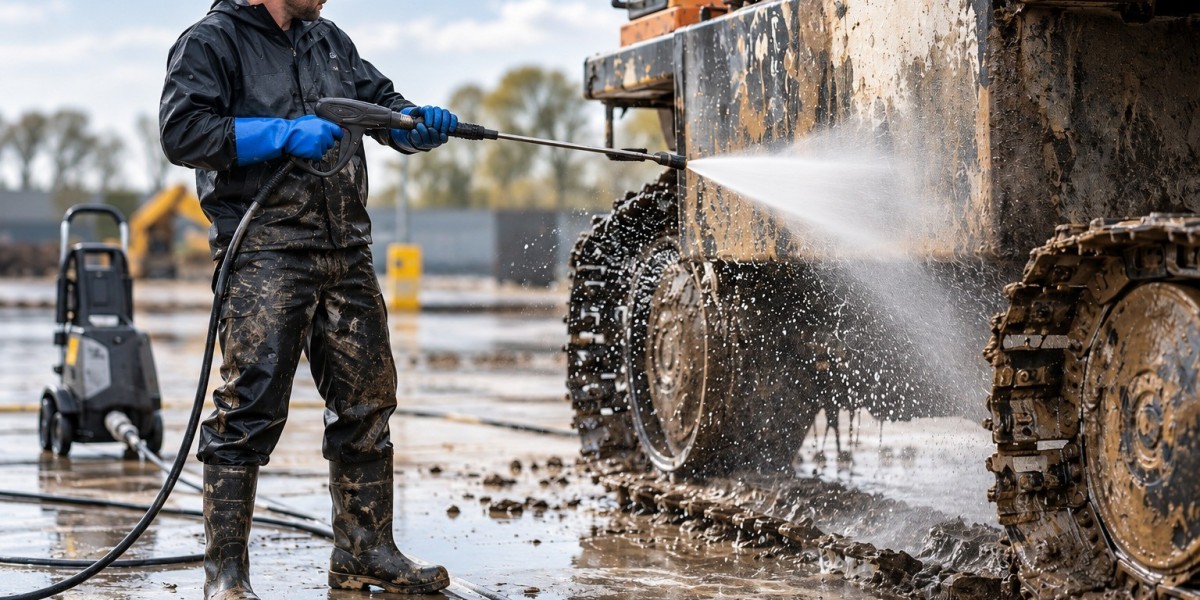
A pressure washer has two numbers that matter: pressure in bar and water flow. Bar is the force that lifts grime; flow is how fast you rinse it away. For light workshop and vehicle washing, the YURI YR-PW1170 at 150 bar is plenty. For caked site machinery and concrete, the DAYURI DA-PW5171 at 210 bar or the 290 bar unit does the heavy lifting. More bar is not automatically better, though: too much pressure damages soft surfaces, render, wood and paint among them.
Vacuum litres and suction: sizing to the debris
For an industrial vacuum, tank litres decide how often you stop to empty, and suction decides what it can lift. A 12L DAYURI DA-VC5155 suits a tidy workshop; a 70L DA-VC5158 swallows a full day of site debris without a pause. Wet-and-dry capability matters if you deal with slurry or spills. The mistake is buying small to save money, then losing an hour a day to emptying.
The cleanup nobody plans: after cutting and grinding
Cutting, grinding and sanding leave fine dust that a broom just redistributes. This is where a strong wet-and-dry vacuum earns its place, pulling gypsum, metal and stone dust off the floor and out of the air. Pairing a vacuum with your cutting and finishing power tools is a health decision as much as a tidiness one, because fine dust is what damages lungs over years, not the visible mess.
Polishing and foam: the finishing touches
Beyond raw cleaning, a foam machine like the DAYURI DA-FWM5160 clings detergent to a surface so it lifts grime before you rinse, which is why detailing shops swear by it. It is a specialist buy: worth it for auto and facility work, unnecessary for a workshop that just needs the floor clear. Know which camp you are in before you spend.
Hot or cold water, and the right nozzle
For most site and vehicle cleaning, cold water and the right nozzle do the job. The nozzle angle changes everything: a wide fan spreads pressure for general washing and is gentler on surfaces, while a narrow jet concentrates force for stubborn, caked grime. Reaching for the narrow jet on a car panel is how paint gets stripped, so start wide and tighten only if you must.
A detergent or foam pass before you rinse lifts grease far better than pressure alone, which is where a foam machine earns its place in cleaning and polishing work. Let the detergent sit a minute, then rinse. Blasting dry grime at full pressure just moves it around.
Filters, bags and keeping the suction you paid for
An industrial vacuum lives or dies by its filter. A clogged filter chokes suction, so a machine that felt strong on day one feels weak within a week if nobody cleans it. Tap out or wash the filter on schedule, and use the right bag for the debris, fine dust needs a fine bag or the particles blow straight back out.
For wet pickup, check the float valve works, because that is what stops water reaching the motor. Ignore it and you can ruin the machine with a single slurry job.
High pressure is not harmless
A pressure washer at 200 bar can cut skin, and that is not an exaggeration, so never aim it at yourself or anyone else, and keep a safe distance from the surface until you know how it responds. Electrical safety matters too: keep connections dry, use the right supply, and do not run a damaged lead near water. The power that strips concrete clean will happily damage soft render, wood or a person, so respect it.
Water source, flow and why running dry kills a pump
A pressure washer needs enough water in, not just pressure out. Starve it of flow, or let it run dry while you answer the phone, and the pump overheats and fails, which is one of the most common ways these machines die young. Check the inlet needs and make sure your water source can keep up, especially with a higher-flow unit. Some machines are self-priming and forgiving; others are fussy about a steady feed. If you draw from a tank rather than mains, mind the level, because an empty tank and a running pump is a short, expensive combination. Treat the water side with the same care as the pressure side and the machine lasts.
Choosing between models: a quick decision guide
To turn the range into a decision, match the job to the machine:
• Car wash and light workshop grime: a 150 bar YURI washer, gentle and enough.
• Caked machinery, yards and concrete: a 210 bar or higher DAYURI washer.
• Neat workshop dust and chips: a 12L to 25L vacuum.
• Full-day site debris and slurry: a 35L to 70L wet-and-dry vacuum.
• Auto detailing and facility cleaning: add a foam machine for the pre-rinse pass.
Buy for the job you do most days, not the worst mess you can imagine, and add the specialist machine only when the work actually calls for it.
Storage, upkeep and the habits that add years
A washer or vacuum that is looked after outlasts two that are not. After a pressure washer job, release the pressure, disconnect and drain the hose, and store the machine where it will not freeze or bake, because trapped water and heat both damage seals over time. Flush out detergent so it does not gum up the lines. On a vacuum, empty it before the debris compacts, clean or replace the filter on a rhythm rather than when suction has already dropped, and check the seals so it keeps its pull.
A quick pre-use check saves most breakdowns:
• Pressure washer: water supply steady, nozzle clear, hose and lead undamaged.
• Vacuum: filter clean, bag not full, float valve free for wet pickup.
• Both: no cracked fittings and no exposed wiring near water.
None of this is difficult, and it is the difference between kit that lasts years of daily site use and kit that fails in its first season. The machines rarely die of hard work; they die of neglect and trapped water, which is a far cheaper problem to prevent than to fix.
There is a seasonal side to this in much of India too. A machine stored through a damp monsoon needs a dry spot and an occasional run to keep seals from seizing, while one used on dusty summer sites needs its filters cleaned far more often. The upkeep is not the same month to month, and the crews who get years out of a washer or vacuum are the ones who adjust the routine to the season rather than following a fixed calendar. It is a small amount of attention that quietly doubles the working life of the machine.
Matching cleaning and polishing kit to the job
The right pairing is less about brand and more about fit:
• Vehicles and light grime: 150 bar washer, gentle enough for paint.
• Site machinery and concrete: 210 bar and up, kept off soft surfaces.
• Tidy workshop: 12L to 25L vacuum; heavy site debris: 35L to 70L.
• Dust from cutting and grinding: wet-and-dry vacuum, always.
How long a pump or motor lasts under daily heavy use depends on maintenance and water quality as much as the spec, so I would not read too much into a single rated figure.
Good cleaning and polishing kit is sized, not maximised: bar to the surface, litres to the debris, suction to the dust. Match those and you clean faster without wrecking what you are cleaning. The Yuri Tools range carries YURI pressure washers and DAYURI vacuums, washers and a foam machine, so the mess can pick the machine, not the marketing.