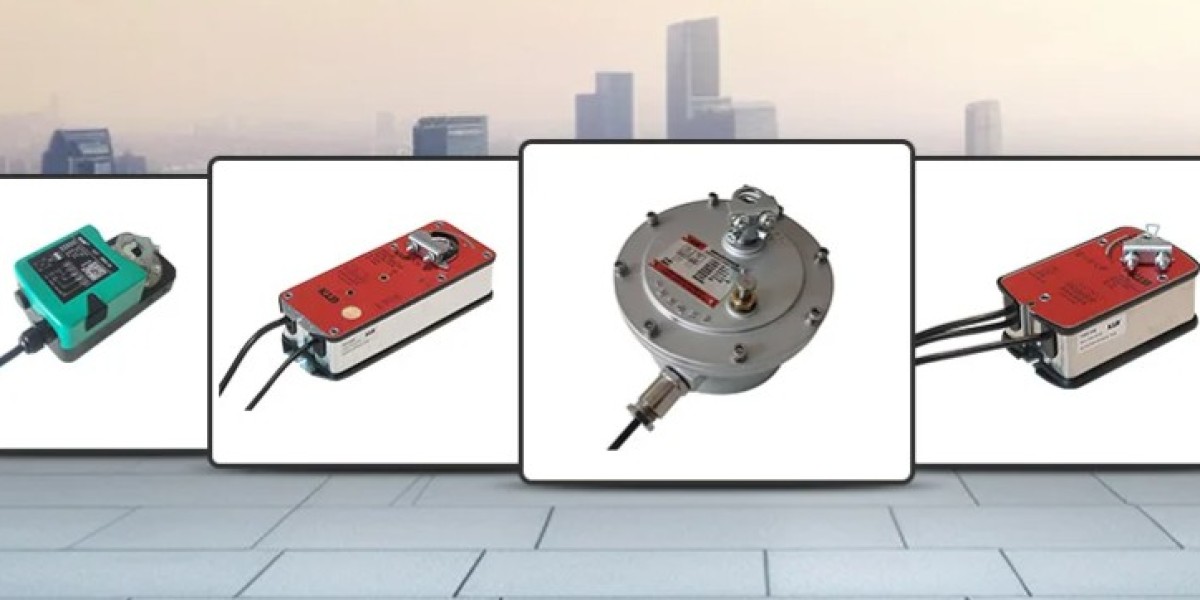

A Dew point detector is a measurement instrument used to identify the temperature at which air becomes saturated with water vapor and condensation may begin. Dew point information is valuable in industrial processes, building inspections, compressed-air systems, storage environments, and climate-controlled facilities where excess moisture can affect equipment, materials, or product quality.
Unlike a simple humidity reading, dew point provides a temperature-based indication of moisture conditions. This makes it useful for evaluating environments where temperature changes and condensation can create operational challenges.
What Is Dew Point?
Air naturally contains a certain amount of water vapor. The warmer the air, the greater its capacity to hold moisture. When air cools to a particular temperature, it reaches saturation. This temperature is known as the dew point.
If a surface becomes colder than the surrounding air's dew point, water vapor may condense onto that surface. This can occur on pipes, metal equipment, windows, storage containers, refrigeration components, and other temperature-sensitive areas.
Understanding this relationship helps technicians evaluate potential moisture problems before they become visible.
Why Dew Point Detection Is Important
Moisture can influence many industrial and commercial environments. Condensation may contribute to corrosion, surface deterioration, contamination, electrical problems, or damage to stored materials.
Monitoring dew point allows operators to identify environmental conditions that may increase these risks. It can also help determine whether drying, ventilation, insulation, or temperature-control measures are performing as intended.
Regular measurements provide a more reliable picture of environmental conditions than occasional visual inspections alone.
Applications in Compressed-Air Systems
Compressed-air systems are one of the important areas where dew point measurement is commonly used. Moisture remaining in compressed air can travel through pipelines and reach pneumatic equipment or production processes.
If moisture levels are unsuitable for a particular application, it may contribute to corrosion, freezing in certain conditions, or contamination of downstream components.
Dew point measurements can therefore support dryer performance checks and maintenance programs. Technicians can compare readings at relevant points in the system and investigate unusual changes when necessary.
Industrial Process Monitoring
Many manufacturing processes require controlled environmental conditions. Moisture can affect coatings, adhesives, powders, chemicals, electronics, and other sensitive materials.
A Dew point detector can help technicians monitor atmospheric conditions around production areas and equipment. By measuring dew point at appropriate locations, teams can determine whether the surrounding environment remains within specified operating parameters.
This information can be particularly useful when processes are sensitive to condensation or when temperature changes occur during production.
Building and Facility Inspections
Dew point measurements can also support building inspections. Condensation is often associated with differences between indoor air conditions and surface temperatures.
For example, poorly insulated walls, windows, pipes, or air-conditioning components may become cold enough for moisture to form. Comparing ambient temperature and dew point with surface temperatures can help inspectors understand where condensation may be more likely.
Such information can contribute to decisions involving ventilation, insulation, heating, cooling, and moisture management.
Important Instrument Features
When selecting dew point measurement equipment, users should consider the requirements of their particular application. Measurement range is an important factor, especially when equipment will operate in both normal and demanding environments.
Other features may include:
Temperature measurement
Relative humidity measurement
Fast response time
Digital display
Data logging
Calibration capabilities
Portable construction
Replaceable or protected sensors
Alarm functions
A clear display and straightforward controls can also make field measurements more efficient.
Accuracy and Calibration
Measurement accuracy depends on both the instrument and the conditions in which it is used. Sensors can be affected by contamination, extreme environmental conditions, aging, or incorrect handling.
Regular calibration according to manufacturer recommendations can help maintain reliable results. Users should also follow appropriate procedures when moving an instrument between environments with different temperatures and humidity levels.
For professional applications, measurement records can be useful for tracking instrument performance and identifying changes over time.
Using Dew Point Data Effectively
A dew point reading becomes more useful when interpreted alongside other environmental measurements. Temperature and relative humidity can provide additional context for understanding moisture conditions.
For example, comparing dew point with the temperature of a metal surface can help indicate whether condensation may occur. This type of assessment can be useful during inspections of tanks, pipelines, HVAC equipment, refrigeration systems, and other surfaces exposed to temperature differences.
The exact interpretation should always consider the technical requirements and operating conditions of the application.
Choosing the Appropriate Measurement Method
Not every application requires the same type of equipment. Portable instruments may be suitable for technicians who perform inspections at different locations, while permanently installed sensors may be preferable for continuous monitoring.
Users should consider measurement frequency, accessibility, environmental conditions, required accuracy, data-recording needs, and maintenance requirements before selecting equipment.
A clearly defined measurement objective makes it easier to choose an instrument that provides relevant and dependable information.
Conclusion
Dew point measurement provides valuable insight into moisture conditions and helps professionals understand when condensation may become a concern. Its applications extend from compressed-air systems and industrial processes to building inspections, storage facilities, and environmental monitoring.
When properly selected, calibrated, and operated, a Dew point detector can support accurate assessment of humidity-related conditions and help organizations make informed decisions about moisture control, equipment protection, and process management.