
Composite Mould selection requires buyers to carefully review product requirements, manufacturing conditions, and tooling expectations before starting a project. A suitable tooling plan depends on factors such as component design, material characteristics, dimensional standards, production volume, and application environment. By discussing these points with the manufacturer at an early stage, buyers can create a clearer development path and reduce unnecessary changes during production.
Review Product Drawings and Specifications
The product drawing is one of the most important references during tooling development. Buyers should provide complete information, including dimensions, tolerances, wall thickness, mounting areas, holes, and structural details.
For products with complex shapes, additional communication may be needed. Features such as curved surfaces, deep sections, narrow areas, and special connection points should be reviewed carefully because they can influence the tooling structure and manufacturing process.
Clear specifications allow the manufacturer to understand the actual requirements and prepare a more suitable development plan.
Check Material and Processing Requirements
Material selection is closely connected with tooling performance. Buyers should share information about the material type, curing conditions, temperature requirements, pressure conditions, and expected production cycle.
Different applications may require different approaches to tool construction and processing control. Understanding these conditions helps the manufacturer consider suitable solutions for heating, surface treatment, structural design, and maintenance.
Before confirming an order, buyers can ask how the proposed tooling design matches the intended production environment.
Evaluate Tool Structure Details
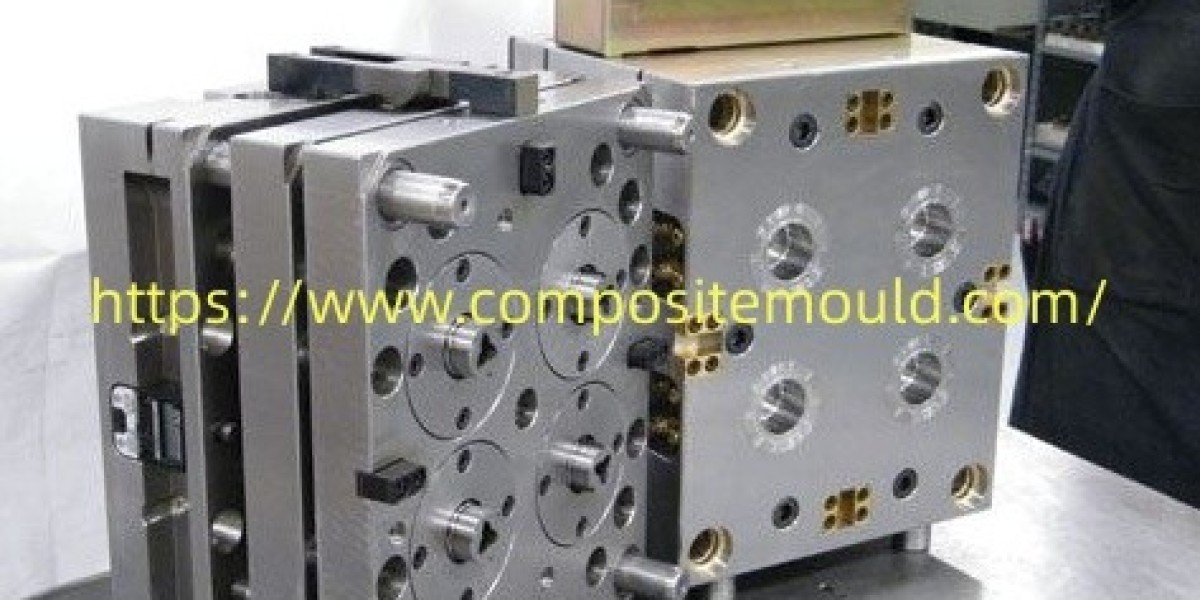
The internal structure of a tool can influence production convenience and future maintenance. Buyers should review important details such as cavity layout, inserts, parting areas, release methods, and supporting structures.
A clear explanation of these elements helps buyers understand how the tooling has been planned. Instead of focusing only on appearance or quotation details, buyers can compare suppliers based on technical communication and project understanding.
For complex components, discussing possible production challenges before manufacturing begins can help both sides prepare better.
Confirm Surface and Dimensional Requirements
Different products may have different expectations for appearance and dimensional control. Buyers should identify critical areas and explain which surfaces require special attention.
Surface finish, texture, polishing requirements, and inspection standards should be discussed before machining starts. This allows the tooling team to prepare the appropriate processing approach.
Measurement methods should also be confirmed. Buyers can ask how important dimensions will be checked and how sample results will be recorded during evaluation.
Understand Trial Production Plans
Trial production provides an opportunity to review the actual performance of the finished tool. Buyers should discuss trial schedules, sample quantities, inspection items, and possible adjustment procedures.
Testing results may provide useful information about areas that need refinement. A clear communication process allows both sides to review samples and discuss practical changes based on production feedback.
Before ordering, buyers should confirm how trial results will be evaluated and how modifications will be handled if needed.
Consider Maintenance and Long-Term Use
Tool maintenance is an important part of project planning. Buyers can ask about cleaning methods, storage conditions, inspection frequency, and maintenance recommendations.
Future product changes should also be considered. If product dimensions or design features may be updated later, buyers can discuss whether certain structures or replaceable parts can support possible adjustments.
Thinking about future requirements during the initial stage can help avoid difficulties when production needs change.
Review Manufacturer Communication
Good communication supports smoother project development. Buyers should understand how technical documents will be reviewed, how changes will be recorded, and how production information will be shared.
compositemould provides tooling support by working with customers on design discussions, manufacturing coordination, sample evaluation, and project requirements. Buyers can review available mould products and related information through https://www.compositemould.com/product/ Before choosing a supplier, buyers can prepare a checklist covering product drawings, material details, tooling structure, production conditions, inspection methods, testing plans, maintenance needs, and delivery arrangements. Reviewing these points with potential suppliers can make communication more efficient and help buyers select a solution that fits their project requirements.