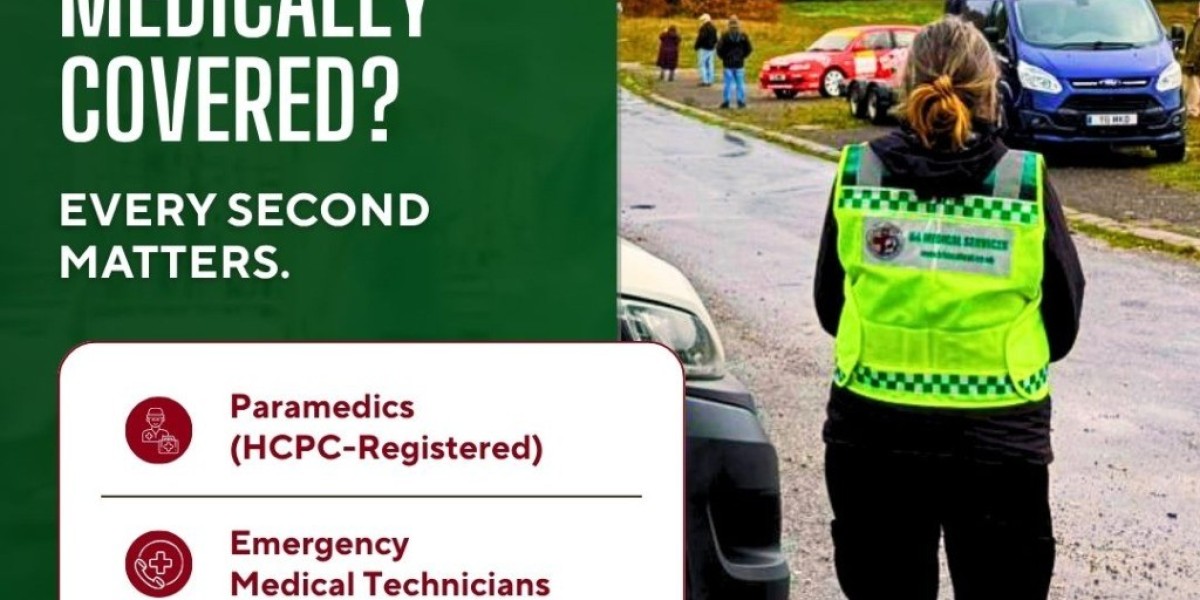

Every event, from a small charity fun run to a large outdoor festival, carries some level of risk. People faint, trip, overheat, suffer allergic reactions or become suddenly unwell, and in rare cases a genuine emergency occurs. Having the right medical team on site can make the difference between a minor incident and a serious one. Yet many organisers leave this decision until the last minute, or choose a provider based on price alone. Taking a little time to choose carefully protects your guests, your staff and your reputation.
Start With an Honest Assessment of Your Event
The best place to start is with an honest assessment of your event. Think about how many people will attend, what age groups will be present, whether alcohol will be served and what the weather is likely to do. A seated corporate conference is a very different proposition from a summer music festival or a sporting event, where exertion, heat and crowds all increase the chance of injury. The layout of the site matters too. Open parkland with uneven ground, long distances between areas and limited vehicle access needs a very different plan from a compact indoor venue. Many organisers use the Purple Guide, the recognised UK reference for event safety, to help them decide what level of cover is appropriate.
Decide the Right Level of Cover
Once you understand your risks, you can decide what level of staffing you need. Smaller, low-risk events may only need qualified first aiders and a clearly marked first aid point. Larger or higher-risk events often require paramedics, nurses, doctors, ambulances and even dedicated treatment areas with advanced equipment. A good provider will not simply sell you a package. They will ask questions about your event, review your site plan and recommend cover that matches your real needs, neither leaving you exposed nor charging you for resources you will never use.
Check Credentials and Equipment
Credentials are the next thing to check. Staff should be properly trained and registered for their role, and the company should hold up-to-date public liability and professional indemnity insurance. Ask to see their policies on incident reporting, patient confidentiality and clinical governance. Find out what equipment they carry, including defibrillators, oxygen, trauma kits and communication radios, and whether they can supply ambulances or rapid response vehicles. Reliable providers will answer these questions clearly and will happily share references or examples of events they have covered.
Look for Relevant Experience
Experience with similar events is just as valuable as qualifications. A team that regularly works at marathons understands how to manage exhaustion and dehydration, while one used to festivals knows how to handle alcohol, drugs and heavy crowds. If you are organising something unusual, such as a motorsport day, a water-based activity or an event with pyrotechnics, look for a provider who has direct experience of those specific hazards.
Why Local Knowledge in London Matters
Geography also plays a bigger part than many people realise. If your event is in the capital, a provider who knows London well will understand the traffic, the nearest hospitals and the expectations of individual councils. Events in inner areas such as Camden or Barnet face dense footfall and tight access, while organisers in Barking and Dagenham or Bromley may be dealing with large parks, community grounds and different local authority requirements. A team that already works across these areas can plan routes and response times far more accurately than one arriving for the first time.
Cover Across South East England
The same principle applies well beyond the capital. South East England has a huge variety of event venues, from country estates and racecourses to village greens and showgrounds. In Hertfordshire and Buckinghamshire, many events take place on large private estates where getting an ambulance to a casualty can be slow without a carefully planned access route. Oxfordshire and Berkshire host everything from agricultural shows to music festivals and sporting fixtures, each needing a different level of medical support. Surrey and Kent attract large outdoor crowds for races, fairs and charity walks, while Essex is popular for motorsport, county shows and seaside events. A provider covering Hertfordshire, Oxfordshire, Surrey, Berkshire and the wider South East England region gives you flexibility, especially if you run events in several counties throughout the year.
Licensing and Safety Advisory Groups
Local knowledge also helps with licensing. Many councils expect organisers to work with a Safety Advisory Group, which will review your event management plan and look closely at your medical arrangements. A provider who has dealt with these groups before can help you prepare a clear, professional medical plan, which often makes approval smoother and faster.
Communication and Teamwork
Communication is another quality that separates good providers from average ones. Your medical team should work closely with your security, stewarding and event control teams. Ask how they will report incidents, how they will communicate on the day and whether they will attend your pre-event briefing. Clear signage and briefed staff mean guests can find help quickly, and a visible medical presence gives attendees confidence that their wellbeing is taken seriously.
Don't Let Price Be the Only Factor
Finally, do not let price be the only deciding factor. It is tempting to choose the cheapest quote, but under-resourced cover can leave you unprepared when something serious happens. Compare quotes carefully, check exactly what is included and make sure there are no hidden extras for travel, equipment or extra staff. Book early, share your full schedule and be open about any special risks.
Final Thoughts
Choosing the right event medical services comes down to understanding your event, checking credentials, valuing experience and picking a team that knows your area. Get those things right, and you can focus on delivering a great event with real peace of mind, wherever in the region you are hosting it.