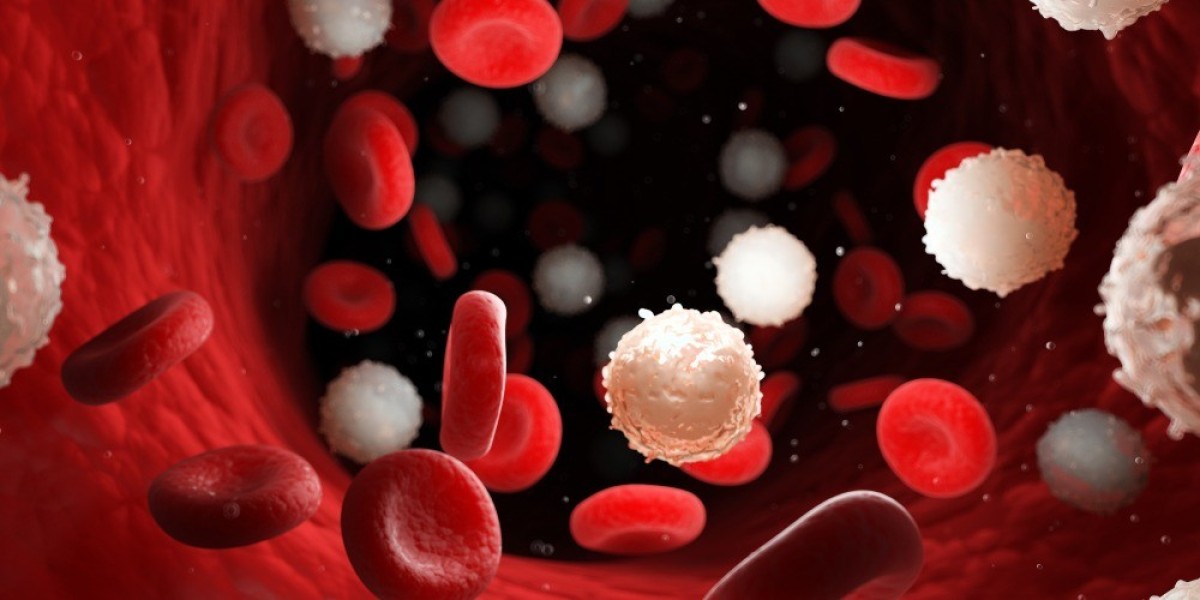

Iron is an essential mineral required for the production of haemoglobin, the protein in red blood cells that carries oxygen throughout the body. When the body's iron stores become insufficient, haemoglobin production can be affected and iron deficiency anaemia may develop. However, anaemia can have several causes, so doctors generally use a structured assessment to determine whether iron deficiency is responsible.
For people seeking Anemia Dubai services, understanding how doctors investigate possible iron deficiency can make the diagnostic process easier to understand. The assessment may involve a detailed medical history, physical examination, a full blood count, ferritin testing, and additional investigations when the initial results do not provide a complete explanation.
At Dr. Barbara, patients can discuss symptoms such as persistent tiredness, reduced energy, dizziness, or other concerns that may lead to an anaemia assessment. The doctor can review personal health information and recommend appropriate investigations based on the individual presentation. Patients can also discuss other nutritional concerns, including Vitamin D Deficiency Dubai, when relevant to their overall health assessment.
What Is Iron Deficiency Anaemia?
Iron deficiency anaemia develops when the body does not have enough available iron to produce sufficient haemoglobin. Because haemoglobin is responsible for transporting oxygen in the blood, reduced haemoglobin can affect normal body function.
Iron deficiency can occur before anaemia develops. This means that a person may have depleted iron stores even when their haemoglobin level has not yet fallen below the laboratory reference range.
The World Health Organization recognises ferritin as an important marker for assessing iron stores, although its interpretation needs to take account of factors such as inflammation.
Possible symptoms associated with anaemia may include:
- Tiredness
- Reduced energy
- Difficulty concentrating
- Dizziness
- Headaches
- Pale skin
- Shortness of breath during activity
- Reduced physical stamina
- Feeling generally weak
These symptoms are not specific to iron deficiency. Other forms of anaemia and other health conditions can produce similar complaints, which is why laboratory testing is important.
Why Doctors Investigate the Cause of Anaemia
Finding a low haemoglobin level is only one part of the assessment. The doctor also needs to determine why the anaemia has developed.
Possible explanations include inadequate dietary iron, increased iron requirements, reduced absorption, or loss of blood. Other nutritional deficiencies, chronic health conditions, and inherited blood disorders can also produce anaemia.
For this reason, a doctor does not usually assume that every case of anaemia is caused by insufficient dietary iron.
During an Anemia Dubai consultation, the doctor can combine symptoms, medical history, examination findings, and laboratory results to establish whether iron deficiency is likely and whether further investigation is needed.
Reviewing the Patient's Medical History
The investigation generally begins with a detailed discussion about the patient's health. The doctor may ask when symptoms began, whether they have changed over time, and whether the patient has experienced anaemia previously.
Questions may cover:
- Previous diagnoses of anaemia
- Dietary habits
- Current medications
- Menstrual history where relevant
- Pregnancy or recent pregnancy
- Previous surgery
- Digestive symptoms
- Previous gastrointestinal conditions
- Blood loss
- Existing medical conditions
- Family history of blood disorders
- Previous blood test results
This information helps the doctor identify possible explanations for low iron levels or anaemia.
For example, people with increased iron requirements may need a different assessment from individuals whose iron levels are low because of reduced absorption or blood loss.
Starting With a Full Blood Count
A full blood count (FBC), also called a complete blood count in some healthcare systems, is commonly used as an initial investigation when anaemia is suspected.
The test measures different components of the blood, including haemoglobin and red blood cell characteristics. NHS guidance identifies the full blood count as a standard initial blood test when investigating suspected iron deficiency anaemia.
The doctor may review several parts of the result, including:
- Haemoglobin
- Haematocrit
- Red blood cell count
- Mean corpuscular volume (MCV)
- Mean corpuscular haemoglobin (MCH)
- Red cell distribution measurements
The results can help establish whether anaemia is present and provide clues about the type of anaemia.
Understanding MCV and MCH
Two red blood cell measurements that may be particularly useful are MCV and MCH.
MCV describes the average size of red blood cells, while MCH relates to the average amount of haemoglobin contained in each red blood cell.
Iron deficiency often causes red blood cells to become smaller and contain less haemoglobin. This pattern is sometimes described as microcytic and hypochromic anaemia.
However, these changes are not present in every person with iron deficiency. The Gulf Cooperation Council expert consensus notes that a proportion of people with iron deficiency anaemia can have a normal MCV, meaning that a normal red cell size does not by itself exclude iron deficiency.
This is one reason why additional testing, particularly ferritin, can be important.
Why Ferritin Is Important
Ferritin is a protein that stores iron, and the ferritin concentration in blood can provide an indication of the body's iron stores.
A low ferritin level generally supports the presence of depleted iron stores. WHO guidance identifies serum ferritin as an important indicator for assessing iron status.
However, ferritin needs to be interpreted in context because it can increase during inflammation or other conditions. This means that a seemingly normal ferritin result does not always completely exclude iron deficiency when inflammation is present.
The doctor may therefore consider ferritin alongside the full blood count, symptoms, medical history, and other laboratory findings.
How Inflammation Can Affect Ferritin Results
Ferritin is an acute-phase protein, meaning its concentration can rise during inflammatory states. This can make interpretation more complicated when a patient has inflammation or another condition that affects ferritin levels.
For example, someone can have depleted iron stores while their ferritin is not as low as expected because inflammation is increasing the measured ferritin concentration.
In these circumstances, the doctor may consider additional laboratory markers and the patient's overall clinical picture. The Gulf Cooperation Council consensus specifically notes that ferritin can be elevated by inflammatory conditions and recommends interpreting results alongside history, examination, and other laboratory findings.
When Additional Iron Studies May Be Considered
Depending on the clinical situation, doctors may consider other measurements related to iron metabolism. These can include serum iron, transferrin, total iron-binding capacity, and transferrin saturation.
Transferrin saturation represents the proportion of transferrin carrying iron. It can provide additional information in selected situations, although serum iron can vary and individual tests should not generally be interpreted in isolation.
WHO materials note that ferritin is generally a useful indicator of iron stores, while transferrin saturation has limitations and can show variation between measurements.
The specific tests ordered depend on the patient's initial results and clinical circumstances.
Looking for the Reason Behind Iron Deficiency
Once iron deficiency has been identified, the doctor may need to establish why the patient's iron stores are low.
The investigation may consider several possibilities.
Dietary Iron Intake
The doctor may ask about the patient's usual diet and intake of iron-containing foods. A diet that provides insufficient iron can contribute to deficiency in some people.
The assessment may include questions about dietary restrictions, appetite, and recent changes in eating patterns.
Increased Iron Requirements
Some stages of life can increase the body's demand for iron. Pregnancy is one example. Menstruation can also contribute to iron loss in people who have menstrual periods.
The doctor considers these factors alongside the blood test results rather than treating them as a diagnosis by themselves.
Reduced Iron Absorption
Some gastrointestinal conditions can interfere with nutrient absorption. If the clinical history suggests an absorption problem, the doctor may recommend additional investigations.
For example, testing for coeliac disease may form part of the investigation of unexplained iron deficiency anaemia in appropriate patients.
Blood Loss
Blood loss is another important consideration. The doctor may ask about menstrual bleeding, previous procedures, digestive symptoms, and other possible sources of blood loss.
When the cause of iron deficiency anaemia is not obvious, additional investigations may be required to identify an underlying source. NHS clinical guidance describes further gastrointestinal investigation in selected patients when an obvious explanation is absent.
Considering Other Causes of Anaemia
Not every low haemoglobin result indicates iron deficiency.
Doctors may also consider vitamin B12 deficiency, folate deficiency, chronic disease, inherited blood disorders, and other causes depending on the blood count and clinical history.
For example, B12 and folate testing may be included when investigating anaemia because deficiencies of these nutrients can also affect red blood cell production.
This broader approach is important because treating the wrong cause may not address the underlying problem.
The Role of Physical Examination
A medical consultation may include a physical examination in addition to blood tests. The doctor may check general appearance, pulse, blood pressure, and other relevant clinical signs.
Depending on the patient's symptoms and medical history, the doctor may also assess the abdomen or other areas related to the suspected cause of anaemia.
The examination is interpreted alongside laboratory results rather than being used as a substitute for blood testing.
When Further Investigations Are Needed
Sometimes the initial blood tests clearly demonstrate iron deficiency. In other cases, the results may be less straightforward.
If the findings do not explain the patient's symptoms or if iron deficiency remains suspected despite an unclear ferritin result, additional tests may be considered.
The Gulf Cooperation Council consensus describes additional investigations such as soluble transferrin receptor testing or other specialist assessments in selected unclear cases.
The decision depends on the patient's age, symptoms, laboratory findings, medical history, and suspected underlying cause.
How Previous Results Help Doctors
Previous blood test results can be valuable when investigating anaemia. Comparing current haemoglobin, MCV, ferritin, and other results with older measurements can show whether the abnormality is new, persistent, or changing over time.
Patients who have previously been diagnosed with anaemia should bring available laboratory reports to their consultation.
This information can help the doctor avoid repeating unnecessary investigations and understand the progression of the condition.
Preparing for an Anemia Consultation
Patients can prepare for an Anemia Dubai consultation by making a list of current symptoms and medications. Previous blood tests and relevant medical records can also be useful.
Before the appointment, consider noting:
- When symptoms started
- Previous episodes of anaemia
- Current medications and supplements
- Dietary restrictions
- Menstrual history where relevant
- Pregnancy history where relevant
- Digestive symptoms
- Previous gastrointestinal conditions
- Previous blood test results
- Any known family history of blood disorders
Patients should also tell the doctor about iron supplements they are already taking, as supplementation can influence laboratory results and the interpretation of iron status.
How Vitamin D Concerns Can Be Discussed
Iron deficiency is different from vitamin D deficiency, but both can be considered during a broader nutritional health assessment.
People searching for Vitamin D Deficiency Dubai services may have questions about vitamin levels, fatigue, nutrition, or previous laboratory results. If several nutritional concerns are present, patients can mention them during a general medical consultation.
The doctor can then determine which laboratory assessments are clinically appropriate rather than assuming that every symptom is caused by one specific deficiency.
What Happens After the Investigation?
Once the doctor has reviewed the clinical history, examination, and laboratory results, they can explain whether the findings support iron deficiency anaemia.
If iron deficiency is confirmed, the next step is to consider why the deficiency has developed and what management approach is appropriate.
The doctor may discuss dietary factors, iron replacement, additional investigations, or follow-up blood testing depending on the individual situation.
Follow-up can be particularly useful because repeat blood tests may help assess whether haemoglobin and iron stores are changing after the recommended management plan.
Conclusion
Investigating possible iron deficiency involves more than checking haemoglobin alone. During an Anemia Dubai consultation, doctors may begin with a detailed medical history and full blood count, followed by ferritin testing to assess iron stores. Additional iron studies or investigations may be considered when the initial findings are unclear.
Ferritin is an important marker of iron stores, but it can be influenced by inflammation, so doctors interpret the result alongside other clinical and laboratory information.
The investigation also focuses on identifying why iron deficiency may have developed. Dietary intake, increased iron requirements, reduced absorption, and blood loss may all be considered, while other causes of anaemia may be investigated when appropriate.
At Dr. Barbara, patients can discuss symptoms, previous test results, nutritional concerns, and medical history with a healthcare professional to determine which investigations may be suitable. Patients can also raise other concerns, including Vitamin D Deficiency Dubai, as part of a broader assessment of their health.
Frequently Asked Questions
What blood test is usually used first to investigate anaemia?
A full blood count is commonly used as an initial investigation. It measures haemoglobin and provides information about red blood cells, including their size and haemoglobin content.
What is ferritin?
Ferritin is a protein that stores iron. Measuring ferritin in the blood can provide information about the body's iron stores and is an important part of assessing possible iron deficiency.
Can I have iron deficiency with a normal MCV?
Yes. Although iron deficiency often causes smaller red blood cells, MCV can remain within the normal range in some people with iron deficiency. Ferritin and other clinical information can therefore be important when assessing iron status.
Can inflammation affect ferritin results?
Yes. Ferritin can increase during inflammation, which can make iron stores more difficult to interpret. Doctors may therefore consider inflammatory markers and other clinical information when assessing a patient with suspected iron deficiency.
Does low haemoglobin always mean iron deficiency?
No. Anaemia has several possible causes, including vitamin B12 or folate deficiency, chronic disease, inherited blood disorders, and iron deficiency. Additional assessment is used to identify the underlying cause.
What can cause iron deficiency?
Possible contributing factors include insufficient dietary iron, increased iron requirements, reduced absorption, and blood loss. The doctor considers the patient's medical history and symptoms when investigating the cause.
Why might a doctor ask about menstrual history?
Menstrual blood loss can contribute to iron depletion. Asking about menstrual patterns and the amount and duration of bleeding can therefore provide useful information when investigating possible iron deficiency.
Can digestive conditions affect iron levels?
Yes. Certain gastrointestinal conditions can affect iron absorption or contribute to blood loss. Depending on the patient's symptoms and test results, doctors may recommend further investigations, including assessment for conditions such as coeliac disease.
Do I need to bring previous blood test results to an anemia consultation?
Bringing previous blood test results can be helpful. Comparing older and newer haemoglobin, MCV, ferritin, and other results may help the doctor understand how the condition has changed over time.
Can other vitamin deficiencies be checked during an anaemia assessment?
Depending on the patient's symptoms and blood results, doctors may investigate other nutritional deficiencies, including vitamin B12 and folate deficiency.
Can I discuss Vitamin D Deficiency Dubai during an anemia consultation?
Yes. If you have concerns about vitamin D levels alongside possible anaemia, mention them during your appointment. The doctor can determine whether vitamin D testing or another nutritional assessment is appropriate.
When should I arrange an anemia assessment?
If you have persistent symptoms that could be associated with anaemia, a healthcare professional can review your symptoms and determine whether blood testing is appropriate. An assessment can help establish whether anaemia is present and identify the likely underlying cause.