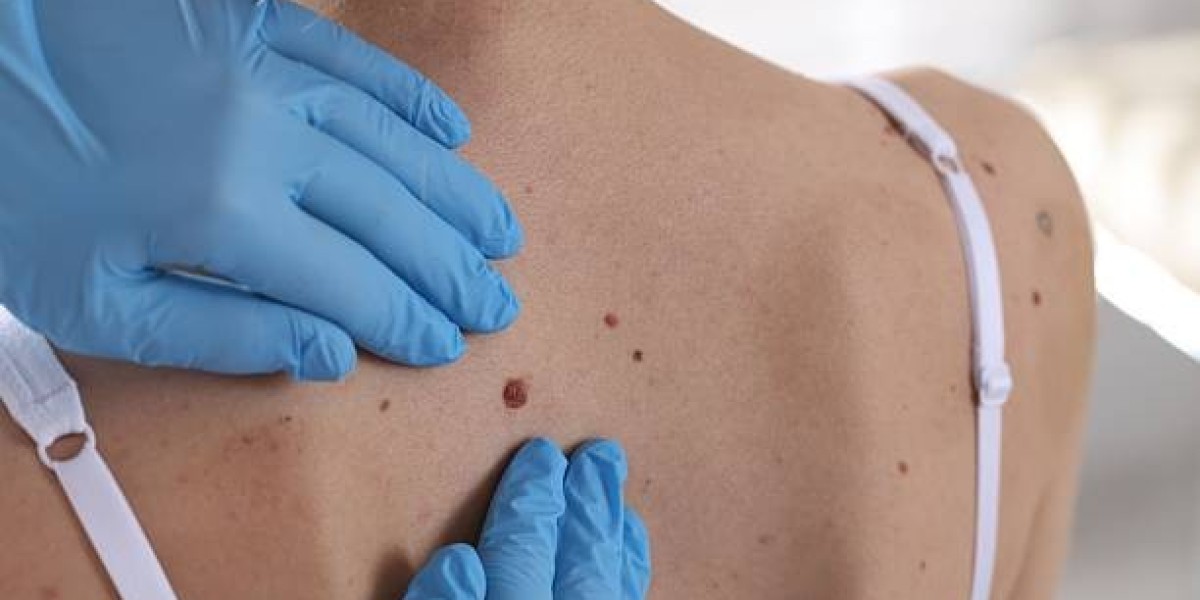

A skin examination is an important part of the mole removal process because not every mole should be treated in the same way. Many moles are harmless, but certain changes in their appearance or symptoms may require closer medical assessment before removal is considered. A professional examination helps determine the nature of the mole, identify any concerning features, and guide the choice of treatment. For individuals considering mole removal riyadh, a thorough skin assessment can help establish an appropriate and personalized treatment plan.
Why Is Skin Examination Important Before Mole Removal?
Before removing a mole, a specialist needs to understand its characteristics and medical significance. The examination can help distinguish a typical mole from one that may require further investigation.
A professional assessment also helps determine whether the primary goal is cosmetic removal, treatment of repeated irritation, or medical evaluation. This ensures that the removal approach is based on the individual's specific circumstances.
What Does a Specialist Examine?
Size and Shape
The size and shape of a mole can provide useful information during an examination. A specialist may assess whether it is symmetrical, raised, flat, or irregular.
Any noticeable change in size or shape should also be discussed, particularly if the change has occurred recently.
Color and Pigmentation
The specialist may examine the mole's color and whether the pigmentation appears consistent. A mole containing several colors or showing a new change in pigmentation may require additional assessment.
Borders and Surface
The edges of the mole are also considered. Irregular or poorly defined borders may be a reason for closer evaluation. The surface is examined for features such as crusting, scaling, bleeding, or other changes.
How Does a Skin Examination Identify Concerning Changes?
A dermatologist may use visual examination and, when appropriate, magnification or other diagnostic methods to evaluate a mole more closely. The ABCDE approach can also help guide awareness of potential warning signs:
A — Asymmetry: One half looks different from the other.
B — Border: The edges appear irregular or poorly defined.
C — Color: The mole has unusual or uneven coloration.
D — Diameter: The mole is larger than expected or has increased in size.
E — Evolving: The mole changes in size, shape, color, or symptoms over time.
These signs do not establish a diagnosis on their own. A professional assessment is necessary when a mole appears unusual or changes over time.
What Symptoms Should Be Discussed?
During the consultation, tell your specialist if the mole has developed any new symptoms. These may include:
Unexplained bleeding
Persistent itching
Crusting
Tenderness or pain
Changes in texture
Rapid changes in size or appearance
Such symptoms do not automatically indicate a serious condition, but they should be evaluated rather than ignored.
How Does Examination Influence the Removal Technique?
The findings from the skin examination can help determine whether a mole should be monitored, removed, or investigated further.
Shave Removal
For selected raised moles, a shave technique may be considered. It removes the raised portion from the skin surface and may be suitable when the specialist determines that this approach is appropriate.
Surgical Excision
Excision involves removing the mole and, when clinically indicated, surrounding tissue. It may be recommended when complete removal is needed or when tissue examination is important.
The choice should be based on the characteristics and medical considerations of the mole rather than simply selecting the quickest procedure.
Can Removed Tissue Be Examined?
Yes. When a mole has features that require medical investigation, the removed tissue may be sent for pathological examination. Laboratory analysis can provide information about the nature of the lesion and whether additional medical care is necessary.
This is one reason why professional assessment before removal is so important. A cosmetic procedure should not bypass appropriate medical evaluation.
How Does Examination Help With Cosmetic Planning?
When a mole is considered suitable for cosmetic removal, the specialist can also assess factors that may affect the final appearance. These include the mole's size, depth, location, surrounding skin, and potential healing response.
Patients can discuss their cosmetic concerns and learn about the possibility of temporary redness, pigmentation changes, or scarring. Realistic expectations are important because no removal procedure can guarantee completely mark-free skin.
For those considering Mole Removal in Riyadh, a detailed consultation can help clarify both the medical and cosmetic aspects of treatment.
What Should You Tell Your Specialist?
During your consultation, provide information about when you first noticed the mole and whether it has changed. Mention any symptoms and relevant medical history.
You should also discuss previous skin procedures, known allergies, medications, and any history of noticeable scarring if applicable. Providing complete information helps your specialist plan appropriate care.
Why Home Mole Removal Should Be Avoided
Attempting to remove a mole at home can cause bleeding, infection, burns, and scarring. More importantly, it can prevent a suspicious mole from being properly evaluated.
Using professional assessment before removal allows the specialist to determine whether treatment is appropriate and whether the tissue needs further examination.
What Happens After the Examination?
Once the mole has been assessed, the specialist can explain whether removal is recommended and discuss the appropriate technique. You may receive information about preparation, expected recovery, wound care, and potential changes in the treated area.
If removal is performed, following the recommended aftercare can support normal healing and help reduce unnecessary irritation.
Making an Informed Decision About Mole Removal
A skin examination provides valuable information before treatment and helps ensure that the chosen approach matches the characteristics of the mole. It also gives patients an opportunity to ask questions and understand realistic outcomes.
If you are considering Mole Removal in Riyadh, Royal Clinic Saudia can provide a professional consultation to assess your mole, discuss suitable options, and explain what you can expect throughout the treatment and recovery process.
Book an Appointment at Royal Clinic Saudia
If you have an unwanted, changing, or irritating mole, professional evaluation is an important first step. Royal Clinic Saudia can assess your skin and discuss appropriate treatment options. For individuals considering Mole Removal in Riyadh, a personalized consultation can help you make an informed decision based on your skin's individual characteristics.
FAQs:
Why is a skin examination needed before mole removal?
It helps assess the mole's characteristics, identify potentially concerning changes, and determine whether removal or further evaluation is appropriate.
What signs can make a mole more concerning?
Changes in size, shape, color, or surface, as well as unexplained bleeding, crusting, persistent itching, or pain, should be professionally assessed.
Does every mole need to be removed after examination?
No. Many moles are harmless and may only need monitoring. Removal depends on the mole's characteristics, symptoms, medical significance, and the patient's goals.
Can a removed mole be examined in a laboratory?
Yes. When medically indicated, removed tissue can be sent for pathological examination to help determine whether further care is needed.