Facial aging can lead to sagging skin, deeper wrinkles, reduced jawline definition, and changes in facial volume. While some people prefer treatments that refresh their appearance without surgery, others seek more noticeable improvements through surgical procedures. Understanding the differences between Facelift Surgery in Riyadh (جراحة شد الوجه في الرياض) and non-surgical facial rejuvenation can help individuals choose an approach that matches their concerns, expectations, and health needs. Both options can improve selected signs of aging, but they work differently and offer distinct benefits, limitations, and recovery experiences.
What Is Facelift Surgery?
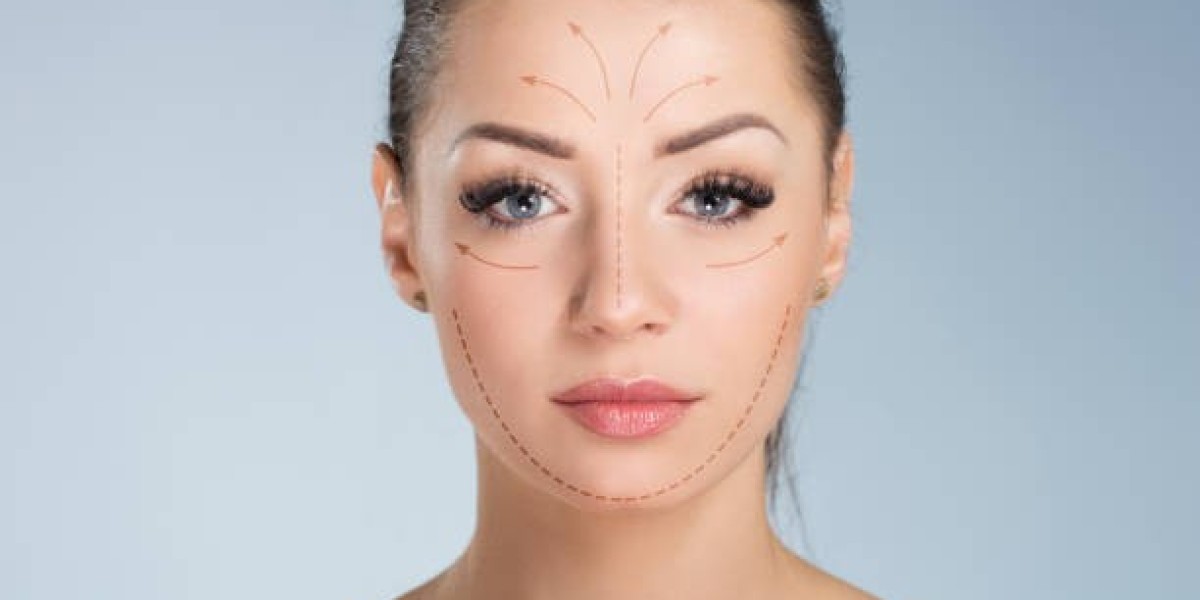
Facelift surgery, also known as rhytidectomy, is a cosmetic procedure designed to improve visible signs of aging, particularly in the lower face and sometimes the midface and neck. It involves repositioning underlying tissues and removing or redistributing excess skin to create firmer facial contours.
A facelift may address sagging cheeks, jowls, loose skin, and certain deep facial folds. The specific surgical technique depends on facial anatomy, skin laxity, medical history, and aesthetic goals.
Unlike temporary treatments that focus on wrinkles or skin texture, surgery can address more significant tissue sagging. However, a facelift does not stop natural aging or eliminate every wrinkle, and results vary between individuals.
What Is Non-Surgical Facial Rejuvenation?
Non-surgical facial rejuvenation includes treatments designed to improve selected signs of aging without traditional surgery. The appropriate treatment depends on whether the primary concern involves wrinkles, volume loss, skin texture, pigmentation, or mild skin laxity.
Injectable Treatments
Botulinum toxin injections can temporarily reduce certain expression lines by relaxing targeted muscles. Dermal fillers may restore volume or improve the appearance of selected facial folds. These treatments address specific concerns and do not provide the same tissue repositioning as a facelift.
Skin Resurfacing Treatments
Certain laser treatments, chemical peels, and other skin procedures may improve texture, uneven pigmentation, and fine lines. Their suitability depends on skin type, the condition being treated, and the treatment's potential side effects.
Skin-Tightening Treatments
Some energy-based treatments use technologies such as ultrasound or radiofrequency to target selected tissue layers. They may provide modest improvement in skin firmness for suitable patients, but results vary and generally do not match the changes possible with surgery for pronounced sagging.
Key Differences Between Surgical and Non-Surgical Options
Treatment Approach
Facelift Surgery in Riyadh involves an operation that repositions facial tissues and addresses excess skin. Non-surgical treatments generally work by relaxing selected muscles, adding volume, stimulating tissue responses, or improving the skin's surface.
The right approach depends on the concern being treated. Significant jowls and loose skin may require a different solution from fine lines or uneven skin texture.
Results and Longevity
A facelift can provide more substantial improvement in facial contour and sagging for appropriately selected patients. Results may remain noticeable for years, although natural aging continues after surgery.
Non-surgical results depend on the treatment. Some injectable treatments require repeat sessions, while the effects of skin-resurfacing or tightening procedures vary according to the technology and individual response. Neither option guarantees a particular outcome.
Recovery Time
Surgical rejuvenation typically involves a recovery period during which swelling, bruising, and tightness gradually improve. Patients may need several weeks before returning to all routine activities, depending on the procedure and their healing.
Non-surgical treatments often involve less downtime, although temporary redness, swelling, bruising, tenderness, or peeling can occur. More intensive skin procedures may require a longer recovery than injections or milder treatments.
Risks and Considerations
Facelift surgery carries risks associated with anesthesia, bleeding, infection, scarring, delayed wound healing, changes in sensation, and asymmetry. Rare complications can include facial nerve injury or problems with skin blood supply.
Non-surgical treatments also have risks. Injectables may cause bruising, swelling, or, rarely, serious complications such as vascular blockage with certain fillers. Energy-based treatments and chemical peels may cause burns, pigment changes, or scarring when unsuitable techniques are used.
A qualified medical professional should explain the risks, expected benefits, and alternatives before treatment.
Who May Benefit From Facelift Surgery?
A facelift may be suitable for adults with noticeable facial sagging, jowls, or loose skin who are in good general health and have realistic expectations. It may be particularly relevant when the main concern is tissue laxity rather than surface-level wrinkles.
During a consultation, a qualified plastic surgeon reviews facial anatomy, medical history, medications, smoking status, and treatment goals. Previous procedures and existing health conditions may influence the recommended approach.
People considering Facelift Surgery in Riyadh should ask about the surgeon's qualifications, the proposed technique, recovery requirements, and the limitations of the expected results. Individualized planning helps determine whether surgery is appropriate.
Who May Prefer Non-Surgical Rejuvenation?
Non-surgical treatments may suit people with mild concerns who want to address specific wrinkles, volume loss, or skin texture changes without undergoing an operation. They may also be considered by individuals who are not ready for surgery or whose concerns do not require extensive tissue repositioning.
However, non-surgical procedures cannot reliably remove substantial excess skin or reproduce the contour changes achieved through a facelift. Multiple treatments may be suggested for different concerns, but more treatment is not always better. A professional assessment helps avoid unnecessary procedures and unrealistic expectations.
Can Surgical and Non-Surgical Treatments Be Combined?
In selected cases, surgical and non-surgical treatments can complement one another. For example, a facelift may address sagging tissues, while a separate treatment may be considered for fine lines, uneven pigmentation, or skin texture.
The timing of additional treatments is important. Some procedures should be postponed until surgical healing is sufficiently advanced. Patients should discuss all current treatments and future plans with their surgeon to reduce the risk of complications.
A combined approach should be based on medical suitability and clearly defined goals rather than the assumption that every patient needs several procedures.
How to Choose the Right Facial Rejuvenation Option
Start by identifying the concerns that matter most to you. Consider whether you want to improve sagging skin, soften expression lines, restore facial volume, or address uneven skin texture. Your health, expectations, tolerance for downtime, and willingness to maintain results are also important.
A consultation with an appropriately qualified professional can clarify which treatments are suitable and what improvements are realistic. Ask about possible complications, recovery, expected longevity, and whether alternatives may achieve your goals with less intervention.
Book an Appointment at Royal Clinic Saudia
If you are exploring facial rejuvenation, Royal Clinic Saudia ( عيادات رويال كلينك ) can be a starting point for discussing your concerns and available treatment options. A consultation can help you understand the differences between surgical and non-surgical approaches based on your facial anatomy, health, and goals.
For more information about Facelift Surgery in Riyadh, contact Royal Clinic Saudia to discuss your options and determine whether a surgical or non-surgical approach may be suitable. A personalized assessment can help you make an informed decision about facial rejuvenation.