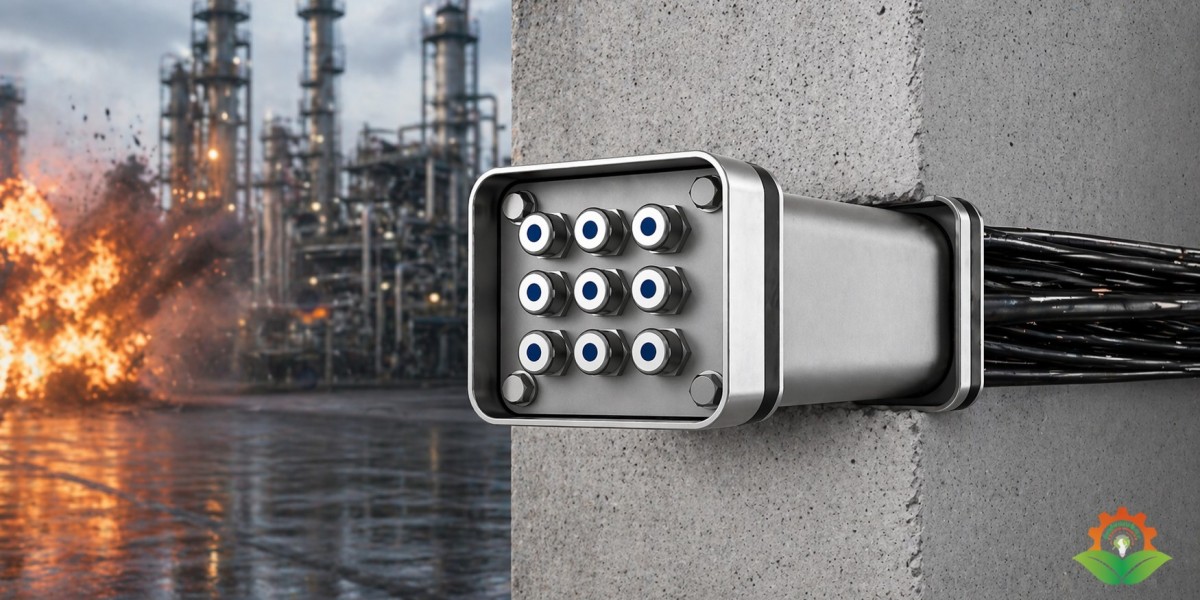

During the last inspection, attention shifted to every Blast Protection Wall Sleeve installed throughout the plant. Although these components would remain hidden behind finished walls, the engineering team knew they could determine how effectively the structure responded to an explosion. Properly designed wall sleeves protect critical utility penetrations, helping preserve structural integrity when every second and every component matters.
What is a Blast Protection Wall Sleeve?
A Blast Protection Sleeve is a specially engineered wall penetration system that allows pipes, cables, conduits, and ducts to pass safely through blast-resistant walls. Unlike standard construction sleeves, it is specifically designed to withstand blast overpressure while maintaining the strength of the surrounding structure.
An Explosion Protection Sleeve reinforces one of the most vulnerable sections of any protective wall. By strengthening service penetrations and reducing pressure transfer, it helps ensure that blast-resistant barriers continue performing during high-pressure events.
In industrial safety projects, this seemingly small component plays a major role in protecting infrastructure, equipment, and personnel.
How Does It Work During Explosion Pressure?
An explosion generates a powerful shock wave that travels rapidly through structural elements. Wherever utilities pass through reinforced walls, concentrated stress develops around the penetration.
A Blast Resistant Sleeve is engineered to absorb and distribute these forces into the surrounding concrete while remaining securely anchored. At the same time, integrated sealing systems help minimise pressure leakage around pipes and cables, preventing blast effects from spreading into protected areas.
This combination of structural reinforcement and dependable sealing allows blast-resistant walls to maintain their protective function under extreme conditions.
Why Sigma Power Tech Blast Sleeves Are Suitable for Industrial Safety Projects
Industrial safety projects demand components that deliver consistent performance under demanding operating conditions.
The Sigma Power Tech Blast Sleeve is engineered to strengthen blast-resistant wall penetrations while supporting the long-term reliability of critical infrastructure. Its design focuses on structural durability, precision manufacturing, and dependable performance throughout the product's service life.
High Structural Strength- Manufactured using heavy-duty steel, the sleeve is designed to resist dynamic blast loads without excessive deformation.
Reliable Pressure Resistance-Every Protective Blast Sleeve should match the project's blast pressure requirements, ensuring dependable performance during explosion events.
Advanced Sealing Performance-Effective sealing systems help reduce the transfer of blast pressure, smoke, dust, and hazardous contaminants through utility penetrations.
Corrosion Resistance-Protective surface treatments improve resistance to moisture, chemicals, and harsh industrial environments, extending operational life and reducing maintenance.
Precision Manufacturing-Accurate dimensions, high-quality welding, and controlled fabrication processes contribute to reliable installation and long-term structural performance.
These engineering characteristics make blast protection wall sleeves an essential part of industrial safety projects where operational continuity is critical.
Where are Blast Protection Wall Sleeves Used?
Blast protection wall sleeves are installed in facilities where explosion risks require specialised structural protection.
Typical applications include:
Petrochemical plants
Oil and gas processing facilities
Chemical manufacturing units
Defence installations
Ammunition storage facilities
Underground bunkers
Emergency operation centres
Power generation stations
Critical infrastructure projects
In each of these environments, properly engineered wall penetrations help improve overall facility resilience.
Factors Affecting Blast Protection Wall Sleeve Price
The cost of a blast protection wall sleeve depends on several engineering and manufacturing factors.
Important considerations include:
Required blast pressure rating
Steel grade and material thickness
Sleeve diameter and configuration
Corrosion-resistant coatings
Gas-tight or pressure-tight sealing systems
Custom engineering requirements
Manufacturing precision
Product testing and quality assurance
Although lower-cost alternatives may reduce initial procurement expenses, they often cannot provide the long-term reliability required for critical industrial safety applications.
How to Choose Blast Proof Wall Sleeve Manufacturers in India
Selecting the right manufacturer is just as important as selecting the right product.
Before making a purchasing decision, evaluate whether the manufacturer offers:
Proven expertise in blast protection engineering
In-house manufacturing capabilities
Project-specific engineering support
Comprehensive quality assurance procedures
Product testing and inspection
Technical documentation
Installation guidance
Reliable after-sales support
Manufacturers with specialized experience understand the unique demands of industrial safety projects and can recommend solutions based on engineering requirements rather than standard construction practices.
Common Mistakes to Avoid
Several common mistakes can reduce the effectiveness of blast-resistant wall penetrations.
Using conventional construction sleeves instead of dedicated blast protection systems remains one of the most frequent errors.
Ignoring required blast pressure ratings may result in selecting products that are unsuitable for the intended application.
Focusing only on purchase price instead of structural performance, durability, and manufacturing quality can increase long-term operational risks.
Even the strongest Blast Shield Sleeve must be installed correctly to deliver its intended performance.
Regular inspections are equally important whenever facilities undergo expansion or utility modifications.
Why Engineering Quality Matters
Blast-resistant infrastructure depends on every protective component working together as an integrated system. Reinforced walls, blast-resistant doors, ventilation systems, and utility penetrations all contribute to overall structural resilience.
The Blast Guard Sleeve plays a critical role in strengthening vulnerable wall openings, while the Sigma Power Tech Blast Sleeve reflects an engineering approach focused on precision manufacturing, structural strength, and dependable sealing. Investing in well-engineered wall sleeves supports safer industrial operations and helps reduce long-term maintenance and repair costs.
Strengthen Your Facility's Safety Strategy
Industrial facilities should periodically reassess their protective infrastructure as operational requirements change.
Take time to review your facility's safety setup and confirm that wall penetrations continue to meet current engineering standards.
If your plant has expanded or undergone modifications, consider upgrading your protection systems to improve long-term resilience.
Engineers and project managers should also explore more safety insights to stay informed about modern blast protection technologies and best engineering practices.
Conclusion
The Blast Protection Sleeve is a vital element of industrial safety projects, providing essential protection for utility penetrations in blast-resistant walls. Its structural strength, pressure resistance, sealing performance, and durability directly influence the overall resilience of critical infrastructure.
The Sigma Power Tech Blast Sleeve is designed to meet these demanding requirements, making it a dependable solution for industrial, defense, energy, and critical infrastructure applications.
By selecting engineered wall penetration systems, working with experienced manufacturers, and prioritizing long-term performance over short-term cost savings, organizations can strengthen facility safety, improve operational continuity, and build more resilient infrastructure for the future.