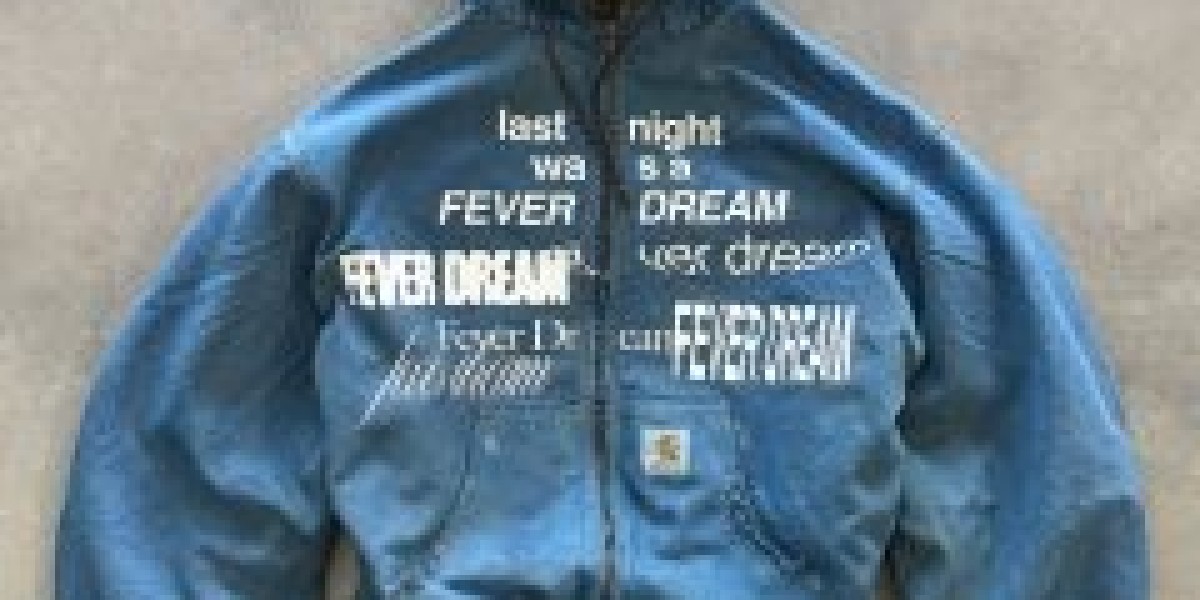

Streetwear is often recognized for its graphic designs, relaxed silhouettes, and distinctive styling, but fabric also plays an important role in how an outfit looks and feels. The material of a garment can influence its softness, weight, breathability, drape, and suitability for different seasons. Understanding these differences helps you choose clothing that supports your personal style and everyday routine. When exploring Artificial Fever Clothing, consider more than the appearance of a hoodie, T-shirt, or pair of trousers. Think about how the fabric may feel against your skin, how the garment fits, and how much care it requires. These details can help you build a wardrobe that combines visual appeal with practical comfort.
Understanding Cotton for Everyday Outfits
Cotton is widely used in casual clothing because it can feel comfortable and works across many everyday styles. Depending on its construction and weight, cotton fabric may be suitable for T-shirts, sweatshirts, hoodies, and other wardrobe essentials.
Cotton T-shirts are useful foundations for streetwear outfits. They can be worn alone during warmer weather or layered beneath overshirts and jackets when temperatures drop. Neutral cotton tops are especially versatile because they can complement different colors, patterns, and trouser styles. Cotton sweatshirts and hoodies can offer a comfortable option for cooler days. However, the feel and performance of a garment depend on factors such as fabric weight, knit construction, and any additional fibers used in the blend. Checking the product description can provide a clearer idea of what to expect. When choosing cotton clothing, consider the garment's care instructions. Following the recommended washing and drying methods can help maintain its appearance and reduce unnecessary wear.
Choosing the Right Fabric Weight
Fabric weight can influence how a garment hangs and how substantial it feels. Lightweight materials often work well for warm weather and layering, while heavier fabrics can provide more structure and may be suitable for cooler conditions.
A lightweight T-shirt can be useful when you want a simple base layer that does not add much bulk. It can fit comfortably beneath a hoodie or jacket without making the overall outfit feel restrictive. Heavier sweatshirts and hoodies may create a more structured silhouette. They can pair well with relaxed denim, straight-leg trousers, and substantial sneakers. The result depends on the garment's cut, so fabric weight should be considered alongside fit and proportions. For trousers, fabric weight can affect how the legs fall and how the material moves. Sturdier denim may create a more defined shape, while softer sweatpants often produce a relaxed appearance. There is no single ideal fabric weight for every wardrobe. Consider the climate, intended use, and type of outfit you want to create before choosing a garment.
Exploring Fabric Blends
Many garments use blends of different fibers to combine particular qualities. For example, cotton may be combined with polyester or other fibers to influence durability, shape retention, texture, or drying characteristics. The results depend on the proportions and construction of the material. Blended fabrics can be useful for clothing that receives frequent wear. Some blends may retain their shape well, while others are designed to provide a softer or stretchier feel. Always review the product details instead of assuming that every blend performs in the same way. For everyday streetwear, consider how the fabric supports the garment's purpose. A T-shirt should feel comfortable for regular movement, while trousers may benefit from a construction that suits their intended fit and use. If you prefer natural fibers, check the material composition carefully. If you prioritize easier maintenance or specific performance qualities, compare the available fabric information before making a decision.
Finding Comfortable Hoodies for Different Seasons
Hoodies are versatile pieces that can work in different weather conditions when their fabric and construction suit the environment. A lighter hoodie may be useful for cool mornings and indoor settings, while a thicker option may provide additional warmth during colder periods. An Artificial Fever Hoodie can become a useful part of a streetwear wardrobe when its material, fit, and design suit your needs. Consider whether you plan to wear it as a standalone top or layer it beneath a jacket. This can influence the amount of room you need around the shoulders and body. Look at details such as cuffs, hems, pockets, and the hood construction. These features can affect comfort and appearance during everyday use. Also consider the garment's care requirements, particularly if you expect to wear it frequently. For a balanced outfit, combine a hoodie with trousers that complement its weight and silhouette. A heavier top may work well with structured denim, while a softer, lighter hoodie can suit relaxed sweatpants or casual jeans.
Selecting Materials for Different Types of Trousers
Trousers can look and feel very different depending on their fabric. Denim often provides a defined appearance, while sweatpants generally offer a softer, more relaxed feel. Cargo pants may use woven fabrics that support their utility-inspired design.
When choosing denim, think about the level of structure and flexibility you prefer. Some jeans feel firm when new, while others contain stretch fibers that allow greater movement. The correct choice depends on your preferred fit and how you intend to wear them. Sweatpants can be useful for casual days, travel, and relaxed streetwear combinations. Check whether the fabric feels appropriate for the temperatures in which you plan to wear them. A thicker material may be more suitable for cooler conditions, while a lighter construction can be useful in milder weather. For cargo pants, consider both fabric and pocket construction. The material should suit the activities you have planned, and the overall shape should work with your tops and footwear. Pairing sturdy trousers with simple sneakers can create a balanced everyday outfit.
Matching Texture With Your Personal Style
Texture provides another way to make streetwear outfits more interesting. Even a simple combination of neutral colors can look distinctive when the garments use different materials. For example, a smooth cotton T-shirt can be paired with denim jeans and a textured overshirt. The contrast between the materials introduces depth without requiring bright colors or complicated graphics.
You can also combine soft sweatpants with a structured jacket. This creates a difference between relaxed and defined shapes while keeping the outfit comfortable. Artificial Fever a more minimal appearance, choose fabrics with subtle texture and similar colors.
When combining several materials, consider the overall weight of the outfit. Multiple heavy layers may feel uncomfortable in warm weather, while very lightweight pieces may not provide enough warmth in colder conditions.
The aim is to create a combination that feels visually balanced and works for your daily activities.
Caring for Streetwear Fabrics
Good garment care helps preserve the appearance and feel of clothing over time. Before washing a new item, read its care label and follow the instructions provided by the manufacturer. Separate clothing when necessary, particularly when washing items with different colors or care requirements. Use suitable washing settings and avoid excessive heat when the garment's instructions recommend gentler treatment. Graphic clothing may require particular attention to washing temperature and drying methods. Turning garments inside out can help reduce friction on printed surfaces, although the care label should remain your main guide.
Store clothing in a clean, dry space and allow damp garments to dry properly before putting them away. Avoid overcrowding storage areas, which can make clothing harder to organize and may cause unnecessary creasing.
Making Smarter Fabric Choices When Shopping
When shopping online, check the material composition, fit information, and care instructions before choosing a product. Product photographs can show the general appearance of a garment, but they cannot always communicate its softness, weight, or texture.
Compare these details with clothing you already enjoy wearing. If you prefer lightweight tops, prioritize products with descriptions and materials that suit that preference. If you like structured hoodies, look for information that helps you understand their construction and intended fit. Artificial Fever Clothing can inspire different streetwear combinations, but your own comfort and practical requirements should guide your selections. By paying attention to fabric, construction, and garment care, you can choose pieces that work together and support a more versatile everyday wardrobe.