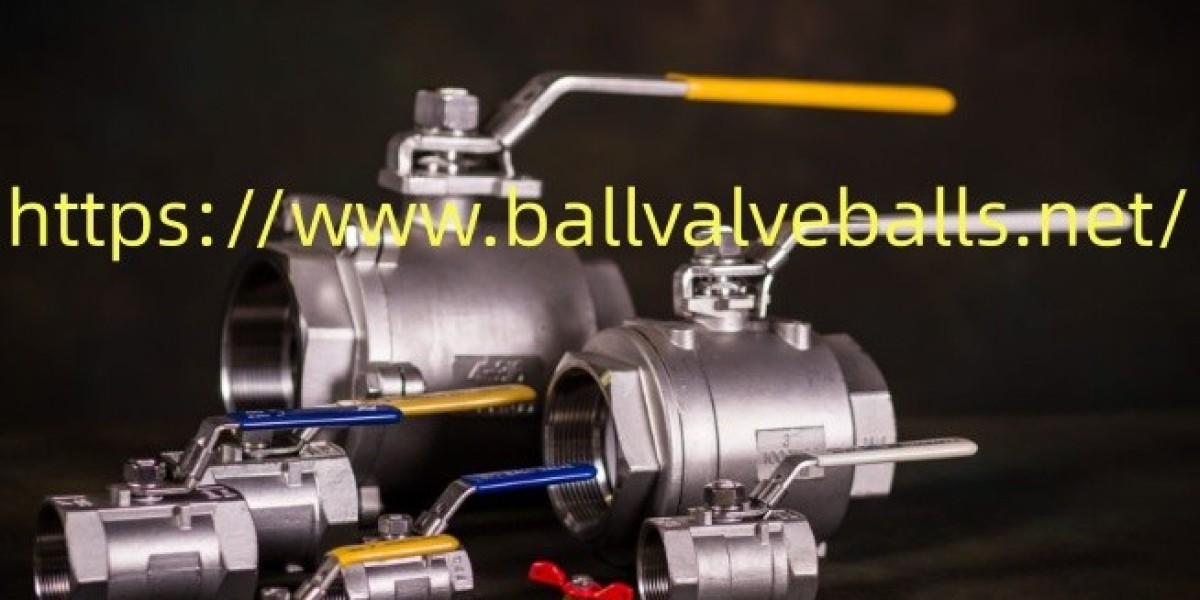

Ball Valve Accessories selection requires careful attention to application requirements, material specifications, dimensional accuracy, and manufacturing procedures. For industrial buyers, these factors help determine whether a component can fit the intended assembly and operating environment. Preparing technical drawings, expected quantities, working conditions, and inspection criteria before contacting a supplier can make purchasing discussions clearer and reduce avoidable specification errors.
Define the Working Environment
Before requesting a quotation, buyers should explain how the component will be used. Industrial flow-control equipment may serve water treatment, chemical processing, energy systems, and general manufacturing. Each application can involve different pressures, temperatures, fluids, and operating cycles.
These conditions influence material selection and the technical requirements of individual parts. Buyers should provide details about the working medium, expected temperature range, pressure conditions, and frequency of operation.
Maintenance expectations also matter. For equipment used in continuous production, replacement availability and ease of servicing may influence purchasing decisions. Sharing this information helps the manufacturer evaluate the request and clarify any missing specifications.
Compare Material Specifications
Material selection affects corrosion resistance, wear behavior, machinability, and compatibility with surrounding components. Depending on the operating environment, buyers may specify stainless steel, carbon steel, or another alloy suitable for the intended application.
When comparing suppliers, confirm that each quotation refers to the same material grade. Similar product descriptions do not necessarily indicate identical chemical composition or mechanical properties.
Where documentation is required, ask whether material certificates and inspection records are available. These documents can help purchasing teams verify material identification and maintain traceability throughout the procurement process.
Verify Dimensions and Fit
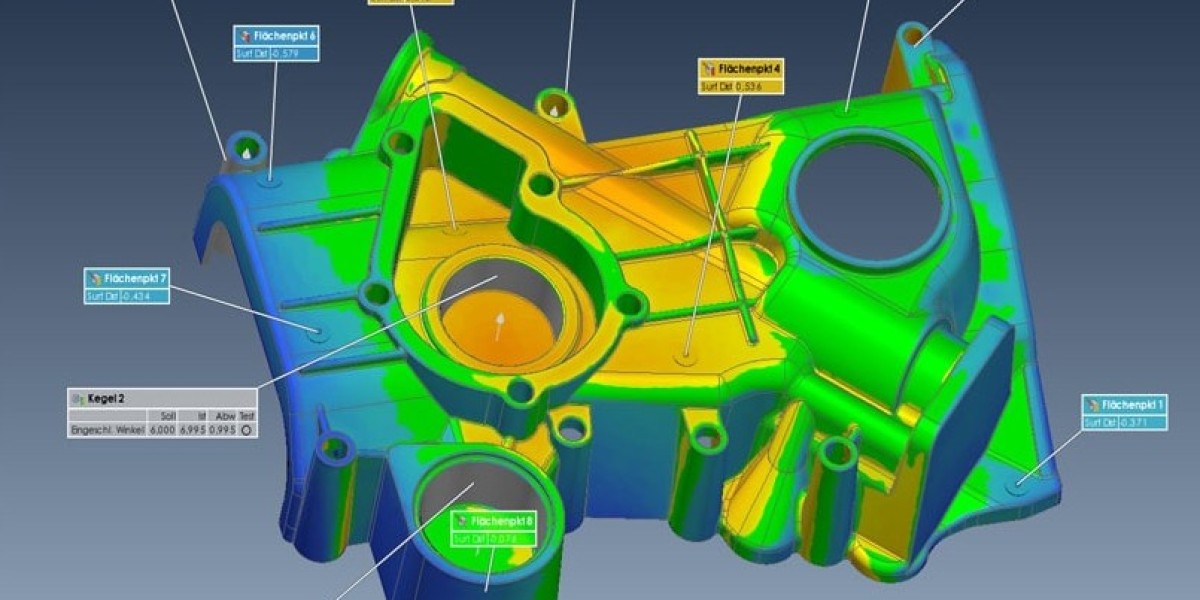
Dimensional compatibility deserves attention before an order enters production. Buyers should review the latest technical drawing and identify critical dimensions, tolerances, connection details, and geometric requirements.
Depending on the design, important measurements may include diameter, roundness, concentricity, thread dimensions, and mating surfaces. These details help determine whether a component can be installed correctly within the intended assembly.
For replacement orders, provide verified measurements or an approved drawing whenever possible. Photographs may help explain the application, but they cannot always communicate precise dimensions.
For customized production, sample approval offers an additional opportunity to assess fit and finish before larger quantities are manufactured. Agree on inspection criteria in advance so that both parties share the same acceptance requirements.
Examine Surface Finishing and Inspection
Surface condition can influence wear behavior, corrosion resistance, and contact between mating components. Depending on the application, requirements may include polishing, protective coatings, or a specified surface-hardening process.
Buyers should clarify which treatment is required and how the finished surface will be inspected. If the project specifies coating thickness, surface roughness, or other measurable characteristics, these values should appear in the technical documentation.
Inspection procedures should also be discussed before production begins. Dimensional checks, visual examinations, material verification, and functional tests may be relevant depending on the design.
Written acceptance criteria provide a shared reference for evaluating samples and delivered goods. They also make it easier to identify differences between the approved specification and the actual product.
Evaluate Manufacturing and Documentation
A supplier assessment should include production arrangements and quality procedures. Buyers can ask how incoming materials are verified, how critical dimensions are monitored, and how nonconforming components are identified.
For projects requiring traceability, confirm whether batch identification, inspection reports, and relevant material records can be supplied. These records may support internal quality reviews and future maintenance planning.
It is also helpful to clarify how drawing revisions are controlled. If specifications change after a sample has been approved, both parties should confirm the updated version in writing before continuing production.
These discussions give procurement teams a clearer picture of the manufacturing process and help establish expectations before an order is confirmed.
Compare the Full Purchasing Arrangement
Unit price is only one part of a purchasing decision. Buyers should compare minimum order quantities, tooling charges, sample costs, production lead times, packaging, shipping terms, and payment conditions.
A quotation should identify the agreed material, finishing requirements, inspection scope, and any additional documentation. Without these details, offers may appear similar while covering different production requirements.
For repeat purchases, discuss how specifications will be maintained between batches and how delivery updates will be communicated. Clear arrangements can help purchasing teams coordinate inventory planning and project schedules.Before placing an order, prepare a checklist covering technical specifications, sample approval, inspection documents, packaging, and delivery expectations. Buyers can contact ballvalveballs to discuss their drawings, application requirements, and production needs. Product information and inquiry details are available at https://www.ballvalveballs.net/