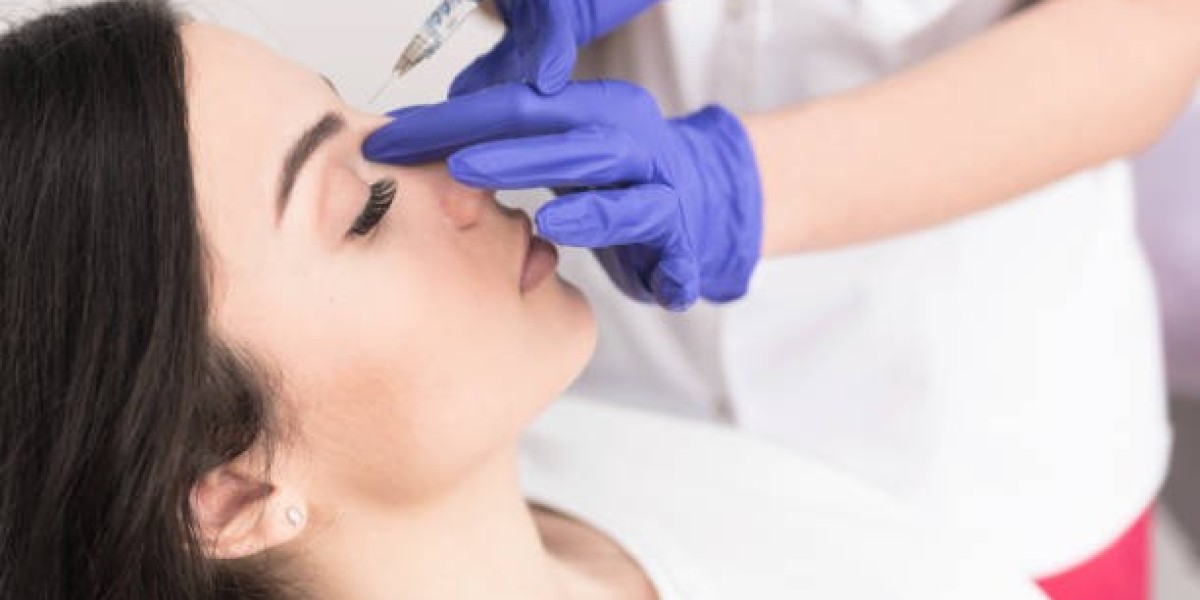

Facial volume plays an important role in creating a balanced, youthful, and refreshed appearance. As people age, natural fat beneath the skin gradually decreases, often contributing to hollow cheeks, deeper facial folds, and a less defined facial contour. Weight fluctuations, genetics, and individual facial structure can also influence how much volume the face retains.
Fat Transfer Surgery in Riyadh is an aesthetic procedure that uses fat harvested from another area of the patient's body to restore volume in selected facial regions. Also known as facial fat grafting or autologous fat transfer, this technique involves collecting fat, processing it, and carefully injecting it into areas that may benefit from additional fullness.
Interest in Fat Transfer Surgery in Saudi Arabia has grown among individuals seeking facial rejuvenation using their own body fat. Understanding the procedure, potential benefits, suitability, recovery process, and possible risks can help patients make informed decisions about their aesthetic goals.
What is facial fat transfer?
Facial fat transfer is a procedure that relocates fat from one part of the body to another. Unlike treatments that use synthetic fillers, this approach uses the patient's own tissue to enhance facial volume. Fat is commonly collected from areas such as the abdomen, thighs, or flanks, depending on the patient's anatomy and the surgeon's assessment.
After collection, the fat undergoes processing to separate suitable fat cells from unwanted fluids and other materials. The prepared fat is then injected into targeted facial areas using specialized techniques designed to support natural-looking contours.
The goal is to improve facial fullness while maintaining the individual's existing features. Results vary according to factors such as fat survival, injection technique, skin quality, and the patient's healing response.
Why Consider Fat Transfer Surgery in Riyadh?
People consider facial fat transfer for different reasons, including age-related volume loss, naturally hollow facial features, and changes in facial fullness following weight loss. The procedure may be suitable for individuals who want subtle enhancement rather than a dramatic change in their appearance.
Fat transfer can also address several facial areas during the same treatment, depending on the patient's needs and medical suitability. Because the transferred material comes from the patient's own body, the procedure avoids the use of synthetic filler material.
However, using natural fat does not eliminate the possibility of complications or guarantee permanent results. A thorough consultation is essential to determine whether fat grafting is appropriate and whether another treatment may better suit the patient's expectations.
Facial Areas That Can Benefit From Fat Transfer
Cheeks and Midface
Volume loss in the cheeks can make the face appear flatter or more tired. Fat grafting may restore fullness to the midface, helping improve facial proportions and soften the appearance of certain hollows.
The amount of fat required depends on the patient's existing facial structure and the desired degree of enhancement. Conservative treatment may help preserve natural facial expressions and avoid excessive fullness.
Under-Eye Hollows
Hollow areas beneath the eyes can create shadows that make a person appear fatigued. In carefully selected patients, fat transfer may improve volume deficiencies in this region.
The under-eye area requires particular expertise because its skin is thin and its anatomy is delicate. Fat transfer may not be suitable for every type of under-eye concern, including prominent eye bags or certain skin-texture issues. A qualified surgeon should assess the cause of the problem before recommending treatment.
Temples
Volume loss around the temples can contribute to a hollow appearance on the upper sides of the face. Fat grafting may help restore fullness in this region and create a more balanced facial contour.
Treatment must account for the complex anatomy of the temples, making appropriate surgical training and careful technique especially important.
Smile Lines and Facial Contours
Fat transfer may soften selected facial folds and improve volume around certain areas of the mouth. It can also help refine transitions between facial regions when volume loss contributes to an uneven appearance.
However, deeper folds can have multiple causes, including skin laxity and repetitive facial movement. Fat transfer may improve volume-related concerns but cannot correct every sign of ageing.
How Fat Transfer Surgery in Riyadh Is Performed
Initial Consultation and Assessment
The process begins with a consultation to discuss the patient's concerns, medical history, previous cosmetic procedures, medications, and expectations. The surgeon examines the face and identifies suitable donor areas from which fat can be collected.
The consultation also helps establish whether the patient has enough available donor fat and whether their health permits the procedure. Patients should discuss smoking, allergies, bleeding disorders, and any medicines or supplements that could affect surgery or recovery.
Fat Harvesting
Fat is generally collected through a specialized liposuction technique performed under an appropriate form of anaesthesia. A small cannula is used to remove fat from a selected donor area while aiming to minimize unnecessary tissue trauma.
The choice of donor site depends on body composition, fat availability, and the surgeon's assessment. The harvesting process must be performed carefully to obtain suitable tissue for transfer.
Fat Processing
Once harvested, the fat is processed to prepare it for reinjection. Depending on the technique used, this may involve filtration, washing, or centrifugation to separate usable fat from fluids and unwanted components.
Proper preparation is important because the quality of the transferred tissue can influence its survival. The exact method varies according to the surgeon's training and the requirements of the procedure.
Fat Injection
The prepared fat is introduced into selected facial areas through small injections. The surgeon typically places small amounts of fat in carefully planned locations to encourage an even distribution and natural-looking contours.
The quantity transferred depends on the treatment area and the patient's anatomy. Since some transferred fat is naturally reabsorbed by the body, the initial amount injected does not directly predict the final result.
Benefits of Facial Fat Transfer
One of the main attractions of facial fat grafting is the use of the patient's own tissue. This makes the procedure an alternative to synthetic dermal fillers for certain volume-related concerns.
Other potential benefits include improved cheek fullness, softer hollows, and enhanced facial balance. Fat harvesting may also reduce fullness in the selected donor area, although the degree of change depends on the amount removed and the patient's anatomy.
Some transferred fat can remain for years after healing, but the degree of long-term retention varies. Patients should understand that fat transfer is not a guaranteed permanent solution and that additional treatment may sometimes be considered.
Who Is a Suitable Candidate?
Suitable candidates are generally adults in good overall health who have facial volume loss, realistic expectations, and sufficient donor fat. They should be willing to follow preoperative instructions and allow adequate time for recovery.
Fat transfer may not be appropriate for individuals with certain medical conditions, active infections, inadequate donor fat, or circumstances that increase surgical risk. Pregnancy and some ongoing health concerns may also affect treatment timing or suitability.
During consultation, the surgeon should explain the available alternatives, expected limitations, and potential complications. The decision to proceed should be based on individual medical assessment rather than age or appearance alone.
Recovery After Fat Transfer Surgery in Riyadh
The First Few Days
Swelling, bruising, tenderness, and temporary unevenness are common during the early recovery period. These effects can occur in both the face and the donor area.
Patients should follow the surgeon's instructions regarding rest, wound care, prescribed medication, and activity restrictions. Cold compresses may be recommended in selected areas, but they should only be used as directed to avoid applying inappropriate pressure to newly treated tissue.
The First Few Weeks
Swelling and bruising generally improve over the following weeks, although the timeline varies. Patients may notice that the face initially appears fuller than expected because of swelling and the volume of fat transferred.
Strenuous exercise, pressure on treated areas, and activities that could interfere with healing should be avoided until the treating surgeon provides clearance. Follow-up appointments allow the surgeon to assess recovery and identify any concerns.
When Will Results Become Visible?
Early changes can be noticeable soon after the procedure, but the initial appearance does not represent the final result. As swelling subsides and the body reabsorbs some of the transferred fat, facial contours gradually change.
A more reliable assessment is usually possible after several months, depending on the treatment area and individual healing. Some patients retain more transferred fat than others, and further treatment may be discussed if the final volume does not meet their goals.
Risks and Important Considerations
Although facial fat transfer can provide satisfying results for suitable patients, it is still a surgical procedure. Potential complications include infection, bleeding, bruising, asymmetry, contour irregularities, fat necrosis, cyst formation, and partial or uneven fat absorption.
Rare but serious complications can occur when fat enters a blood vessel, potentially causing tissue damage, visual impairment, or other life-threatening consequences. For this reason, facial fat grafting requires detailed anatomical knowledge, appropriate training, and careful injection techniques.
Patients should choose a properly qualified and licensed surgeon, verify relevant credentials, and ask about complication management and follow-up care. Any sudden visual disturbance, severe or increasing pain, unusual skin discoloration, or rapidly worsening swelling after treatment requires urgent medical assessment.
Conclusion
Facial fat transfer offers an option for people seeking to restore facial volume using their own fat. By transferring tissue from a suitable donor area to regions such as the cheeks, temples, or selected facial hollows, the procedure may improve facial balance and create natural-looking enhancement. The outcome depends on patient suitability, surgical technique, fat retention, and the healing process.
Anyone considering Fat Transfer Surgery in Saudi Arabia should seek an individualized consultation, understand the possible risks, and maintain realistic expectations about recovery and long-term results. Enfield Royal Clinic Saudi can be considered as a starting point for researching available aesthetic services; prospective patients should independently verify the provider's current licensing, the treating surgeon's qualifications, and the suitability of the proposed procedure before making a decision.
Frequently Asked Questions
1. What Is Fat Transfer for Facial Volume in Riyadh?
Fat transfer for facial volume is a procedure in which fat is collected from a donor area of the body, processed, and injected into selected facial regions. It is intended to improve fullness and facial contours using the patient's own tissue.
2. How Long Do Facial Fat Transfer Results Last?
Results vary depending on how much transferred fat survives, the patient's healing response, and changes in body weight over time. Some of the transferred fat may remain for years, but the outcome cannot be guaranteed to last permanently.
3. Is Fat Transfer Surgery in Riyadh Safe?
The procedure can be performed safely in appropriately selected patients by qualified professionals using suitable techniques. However, complications are possible, including infection, asymmetry, and rare but serious blood vessel-related complications. Individual assessment is essential.
4. How Long Does Recovery Take After Facial Fat Transfer?
Initial swelling and bruising often improve over the first few weeks, although recovery differs between individuals. Final facial contours may take several months to assess as swelling subsides and transferred fat stabilizes.
5. Can Fat Transfer Treat Under-Eye Hollows and Sunken Cheeks?
Yes, fat transfer may help improve under-eye hollows and restore cheek volume in suitable patients. These areas require careful assessment because not every concern is caused by volume loss, and treatment carries area-specific risks.
6. What Should I Consider Before Fat Transfer Surgery in Saudi Arabia?
Consider your general health, available donor fat, aesthetic goals, recovery requirements, and potential complications. Check the surgeon's qualifications and licensing, ask about the technique and follow-up arrangements, and discuss alternative treatments before deciding to proceed.