
Introduction
Choosing a hearing aid is an important decision that can affect your communication, confidence, and quality of life. However, purchasing a device without understanding your hearing needs may lead to unnecessary expenses and disappointing results.
A hearing test helps identify the type and degree of hearing loss, making it easier to determine which solutions may be appropriate. Before visiting a hearing aid clinic in Chennai, understanding the importance of a professional assessment can help you make a more informed decision.
Why Is a Hearing Test Important Before Choosing a Hearing Aid?
Hearing difficulties can have different causes. Some people experience hearing loss due to age-related changes, while others may have earwax buildup, middle ear problems, noise exposure, or other conditions.
A hearing test, combined with an appropriate ear examination and medical history, helps identify the nature of the problem. This information guides the next steps in care.
A qualified audiologist can assess your hearing thresholds, understand your listening difficulties, and recommend suitable options when hearing aids are indicated. Without this assessment, you may choose a device that does not adequately address your needs.
1. The Wrong Hearing Aid Can Lead to Unnecessary Expenses
Hearing aids come in different styles, technology levels, and price ranges. Choosing a device based only on its price, appearance, or recommendations from others may not be the right approach.
For example, a device that works well for someone with mild hearing loss may not provide sufficient benefit to someone with more significant hearing difficulties. The best choice depends on your hearing results, lifestyle, communication needs, and clinical recommendations.
Visiting a professional hearing aid clinic helps you understand which features are relevant to your situation. A hearing assessment before purchase may reduce the risk of spending money on an unsuitable device or needing an avoidable replacement.
2. Not Every Hearing Problem Requires a Hearing Aid
One common misconception is that difficulty hearing automatically means you need a hearing aid. In reality, the underlying cause must be assessed before deciding on treatment.
Earwax blockage, for example, can sometimes cause temporary hearing difficulties. Certain ear conditions may require medical treatment rather than hearing aids as the first step.
A hearing assessment and appropriate ear examination can help identify when further medical evaluation is needed. Sudden hearing loss, especially when it develops over hours or a few days, requires urgent medical attention.
This is why a hearing aid clinic should focus on understanding your hearing health before recommending a device.
3. A Poor Fit Can Affect Comfort and Hearing Quality
Even a good-quality hearing aid may not provide the expected benefit if it is not fitted and programmed appropriately.
Hearing aids need to be adjusted according to your hearing test results. Their settings should also consider your comfort, listening environments, and ability to understand speech.
Without proper fitting, sounds may seem too loud, speech may remain unclear, or you may experience discomfort. Some users may become frustrated and stop wearing their devices.
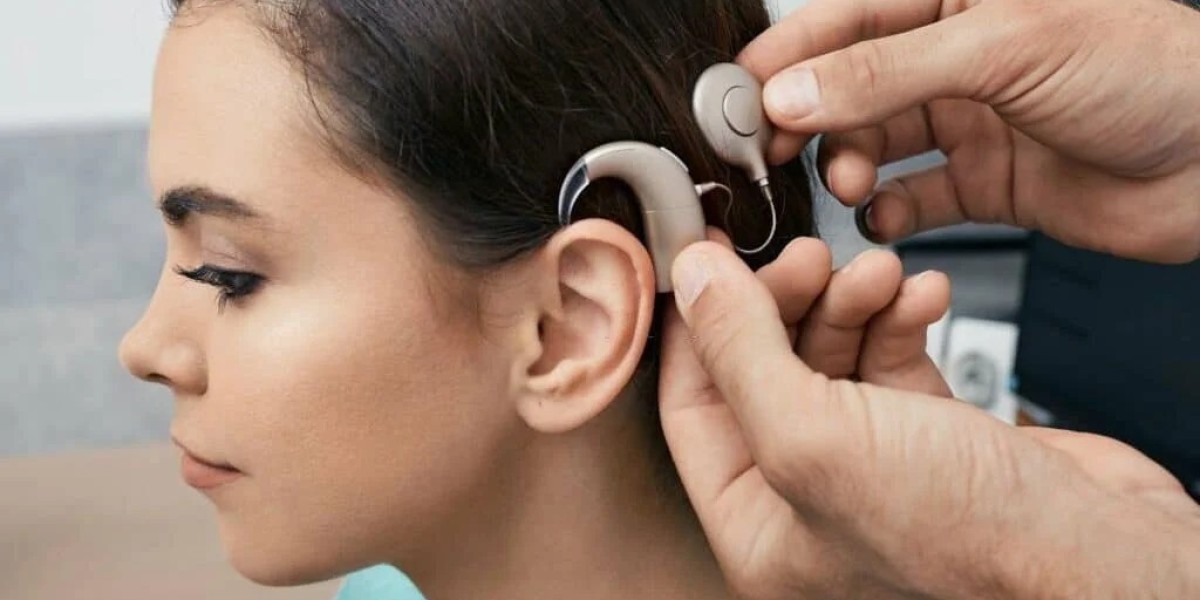
A professional hearing aid clinic in Chennai can help with device selection, programming, fitting, and follow-up adjustments. These steps support a more comfortable and useful hearing experience.
4. Hearing Tests Help You Understand What You Are Paying For
The cost of a hearing aid depends on several factors, including technology, features, fitting requirements, and aftercare services.
However, a higher price does not automatically mean a device is the best option for every person. Similarly, choosing the cheapest available device without assessing your hearing may not provide the value you expect.
A hearing test provides information that helps guide an appropriate recommendation. It also gives you an opportunity to discuss your budget, daily listening challenges, and expectations before making a purchase.
When comparing options at a hearing aid clinic, ask about fitting, adjustments, warranty coverage, maintenance, and follow-up support. Understanding these details can help you plan for the overall cost of hearing care.
5. Your Hearing Needs Are Unique
Two people may have similar hearing difficulties but require different solutions. One person may struggle mainly with conversations in noisy places, while another may have difficulty hearing television or telephone conversations.
A comprehensive hearing assessment helps the audiologist understand these differences. Depending on your needs, the evaluation may include pure-tone audiometry, speech testing, and other appropriate assessments.
The results help guide decisions about hearing aid style, amplification, features, and whether one or both ears may benefit from a device.
Choosing a hearing aid based on another person's experience may overlook your individual needs. Personalised assessment and fitting are therefore important parts of effective hearing care.
What Happens During a Hearing Assessment?
A hearing assessment generally begins with questions about your symptoms, medical history, noise exposure, and daily communication difficulties. The audiologist may examine your ears or recommend an ENT evaluation when appropriate.
You may then undergo hearing tests in which you respond to sounds at different pitches and volumes. Depending on your symptoms and clinical findings, additional tests may be recommended.
Once the results are available, the audiologist explains your hearing profile and discusses suitable next steps. If hearing aids are appropriate, you can explore options based on your needs, budget, and lifestyle.
If you are considering a hearing aid clinic in Chennai, ask whether the service includes a proper assessment, personalised fitting, and follow-up care.
Can You Buy a Hearing Aid Without a Hearing Test?
Although hearing devices may be available through online platforms and retail outlets, choosing one without a professional assessment carries important risks.
You may overlook a treatable ear condition, select an unsuitable device, or miss the opportunity to receive appropriate programming and fitting. You may also spend more later trying to correct problems that could have been identified earlier.
A professional assessment does not guarantee perfect results, but it provides a sound basis for informed decisions. It also helps identify when medical care or further testing is needed before proceeding with hearing aids.
Conclusion
A hearing test before hearing aid selection can help you avoid unsuitable purchases, understand your hearing needs, and make informed decisions about long-term care. Visiting a qualified hearing aid clinic in Chennai is an important step towards choosing an appropriate solution with professional guidance.
Good Ear Speech and Hearing Wellness Clinic is dedicated to comprehensive hearing, speech, and balance care through evidence-based audiology and personalised treatment, including hearing assessments, digital hearing aids, hearing rehabilitation, speech therapy, and preventive hearing healthcare for children, adults, and senior citizens.