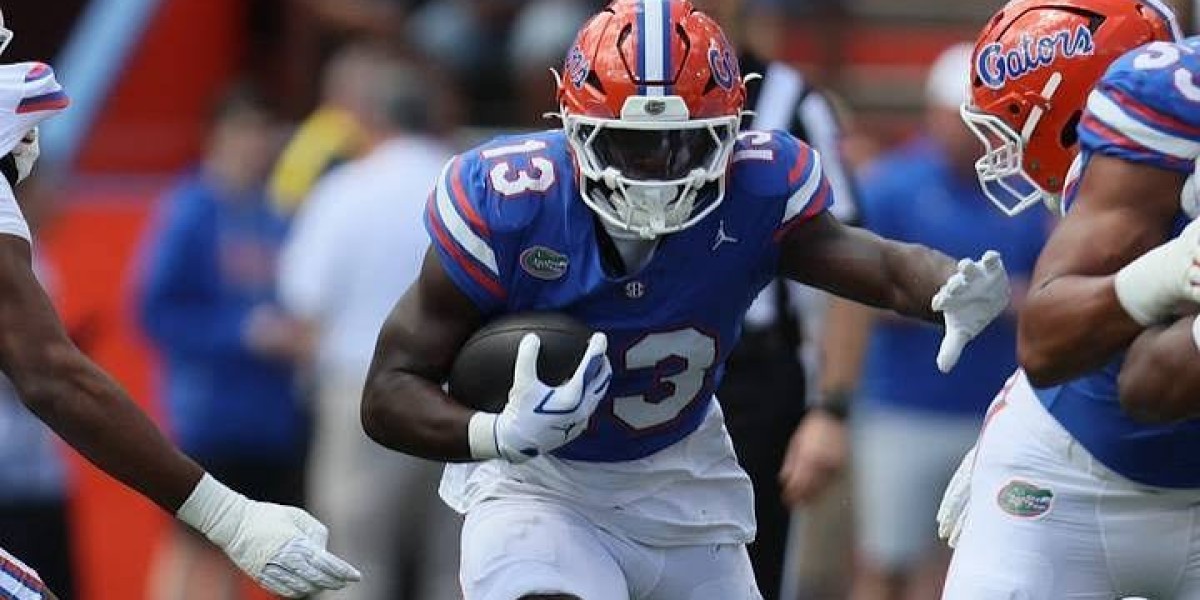

A crowded defensive line can make a position change tempting, especially when the linebacker room is thin. Whether you are building through recruiting or managing resources such as College Football 27 Coins, the best roster decisions begin with how a player fits on the field.
Moving a defensive end to outside linebacker is not simply a way to fill an empty spot. The decision changes his responsibilities, his matchups, and potentially the way the entire defense handles the run and pass.
Start With the Defensive Scheme
An outside linebacker in a three-man front often plays much like an edge rusher. He lines up outside an offensive tackle, attacks the passer, and protects the perimeter against running plays. A defensive end with good acceleration and strength may fit that role without a dramatic change in his duties.
In a four-man front, the same position may require more space awareness and frequent coverage assignments. Before making the switch, look at the plays you actually call. If your outside linebackers regularly follow tight ends or cover underneath zones, a converted lineman needs more than pass-rushing talent.
Measure More Than Speed
Speed helps an outside linebacker pursue ball carriers and recover when a play moves away from him. Acceleration matters just as much near the line of scrimmage, where the first few steps can decide whether a rusher reaches the quarterback or gets sealed inside.
Strength and tackling remain important because outside linebackers must set the edge. That means taking on a blocker, holding outside position, and forcing runners back toward help. A lighter, faster end may look appealing, but he can become a liability if tackles and tight ends move him too easily.
Coverage is the final test. Review his ability to change direction and react in space, along with any relevant coverage ratings. If those skills are limited, use him primarily as a rusher rather than asking him to carry receivers downfield.
Put the Roster Situation in Context
Imagine a team with four capable defensive ends but only two dependable outside linebackers. One reserve end has the speed to pursue outside runs, enough strength to handle blockers, and respectable movement in coverage. In a defense that sends its outside linebackers after the quarterback often, moving him can improve depth without wasting his best traits.
The calculation changes if that reserve is a powerful but slow run defender. He may be more valuable as part of the defensive line rotation, particularly against opponents who run between the tackles. Adding a natural linebacker through recruiting may solve the depth issue without weakening the front.
Test the Move Before Committing
Give the converted player snaps against different formations and watch where problems develop. Pay attention to outside runs, short passes, and plays that require him to cover open space. A strong pass rush does not offset repeated losses on the perimeter.
Ultimately, keep the player at linebacker only if his new role helps the whole defense. For managers considering cheap NCAA Football 27 Coins, careful roster evaluation still matters more than any single position switch.

Bài viết phổ biến






