
Overall appearance is influenced by the relationship between body proportions, natural fat distribution, skin quality, and physical structure. Some individuals notice that certain areas appear fuller or less defined than others, even when they maintain a balanced diet and regular exercise routine. These differences can affect the way clothing fits and how the body's natural silhouette looks. A Body sculpting procedure in Riyadh (عملية نحت الجسم في الرياض) may be considered by individuals seeking to refine selected areas and improve the visual balance of their figure. The purpose is to address specific contour concerns rather than replace healthy habits or achieve dramatic weight reduction.
Modern body contouring treatments offer different approaches for people with varying aesthetic goals. Some procedures focus on reducing localized fat, while others aim to improve skin firmness or create smoother transitions between body regions. Understanding how a Body sculpting procedure in Riyadh can influence physical proportions helps individuals explore options that align with their needs. The results depend on the chosen technique, individual anatomy, skin elasticity, and professional assessment.
Understanding the Relationship Between Body Contours and Appearance
How Natural Proportions Shape Your Silhouette
Every individual has a unique body structure. Bone arrangement, muscle development, genetics, and fat distribution all contribute to the appearance of the waist, abdomen, hips, thighs, and upper body. These features work together to create a person's natural silhouette.
When one area has more localized fullness than surrounding regions, the body's proportions may appear different than expected. Body contouring focuses on selected areas to refine these transitions while respecting natural anatomy. The aim is not to create a standardized figure but to support a balanced appearance that reflects individual preferences.
The Influence of Localized Fat Deposits
Fat distribution varies from person to person. Some individuals store more fat around the lower abdomen, while others notice fullness along the waist, back, upper arms, or thighs. These deposits may remain noticeable even after improvements in general fitness and weight management.
Localized fat does not automatically indicate an unhealthy lifestyle. It can be influenced by genetics, hormones, aging, and other individual factors. Understanding why a particular area appears fuller can help determine whether body contouring is an appropriate option.
How Body Contouring Can Influence Different Body Areas
Creating a More Defined Waist and Abdomen
The waist and abdomen have a significant influence on the overall outline of the torso. Fullness around the lower abdomen or flanks can make the waistline appear less noticeable. Certain contouring procedures may target suitable localized fat deposits to create smoother transitions between the abdomen, waist, and hips.
The treatment approach should account for existing body proportions. Removing too much fat or selecting an unsuitable technique may produce an uneven appearance. Careful assessment helps establish what level of refinement may be realistic.
Improving the Appearance of the Hips and Thighs
The hips and thighs contribute to the lower body's overall shape. Localized fullness around the inner or outer thighs may influence how these areas transition into the hips and waist. Selected body contouring methods may help refine these regions when the individual meets the relevant suitability criteria.
Treatment planning should consider the relationship between adjacent areas rather than treating each region independently. This helps maintain natural proportions and avoids focusing on an isolated measurement as the only indicator of success.
Refining the Arms, Back, and Other Areas
The upper arms and back can also influence overall body appearance. Fullness around the upper arms may reduce visible definition, while fat deposits along the back can create folds beneath clothing. Some individuals may also have concerns about fullness beneath the chin, which affects the visual relationship between the jawline and neck.
Different body areas have different tissue characteristics and treatment requirements. A method suitable for the abdomen may not be appropriate for the arms or chin. Professional guidance helps determine which options are relevant to each concern.
Exploring Modern Body Contouring Approaches
Surgical Body Contouring
Surgical procedures such as liposuction are designed to remove localized fat from selected areas. They may be considered when an individual has persistent fat deposits and is medically suitable for surgery. The procedure involves anesthesia, incisions, recovery, and possible complications, so it requires careful evaluation by a qualified surgeon.
Liposuction is intended for body contour refinement, not general weight loss. It may improve the shape of treated areas, but it cannot guarantee a particular figure or address every concern involving skin laxity.
Non-Surgical Contouring Treatments
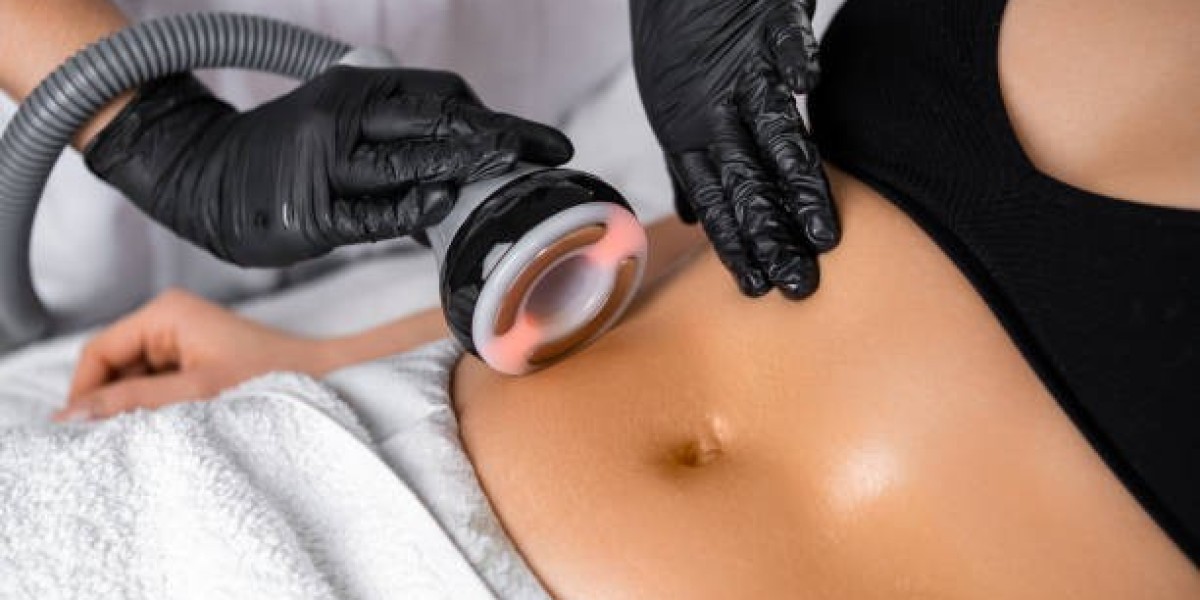
Non-surgical body contouring technologies may use controlled cooling, heating, or other energy-based methods to target selected tissue. These approaches are generally intended for localized concerns and may involve less downtime than surgery. However, the degree of improvement can be more modest, and results may take time to become noticeable.
Each technology has specific indications, limitations, and possible side effects. A practitioner should explain the available evidence and clarify whether a proposed method is suitable for the individual's body area and goals.
Treatments That Focus on Skin Firmness
Changes in weight, pregnancy, and natural aging can affect skin elasticity. When the skin becomes loose, the body may appear less defined even if localized fat is not the main concern. Certain treatments aim to improve the appearance of skin firmness, but their effectiveness depends on the degree of laxity and the technique used.
Significant excess skin may require a different approach from mild skin looseness. An assessment helps identify the main issue and avoid choosing a treatment that does not address the underlying concern.
Why Individualized Treatment Planning Matters
Assessing Anatomy and Personal Goals
The Body sculpting procedure in Riyadh should be considered only after reviewing the individual's anatomy, medical history, skin condition, and aesthetic priorities. During consultation, a practitioner may assess fat distribution, skin elasticity, previous procedures, medications, and weight stability. These details help determine whether treatment is appropriate and which options may be discussed.
A personalized plan also considers how changes in one area could influence the appearance of surrounding regions. This broader perspective can help support natural-looking contour refinement.
Understanding Results and Limitations
Body contouring outcomes vary according to the procedure, treatment area, and individual response. Some methods produce gradual changes, while surgical approaches involve a recovery period before the final appearance can be evaluated. Swelling and temporary tissue changes may affect the early results.
No treatment can stop natural aging or prevent future changes in body composition. Realistic expectations and clear communication with a qualified practitioner are essential throughout the decision-making process.
Recovery and Long-Term Appearance
Recovery requirements depend on the selected treatment. Surgical procedures may involve bruising, swelling, tenderness, compression garments, and temporary activity restrictions. Non-surgical methods may cause temporary redness, sensitivity, swelling, or discomfort. Following professional aftercare instructions and attending follow-up appointments can help monitor progress.
Maintaining a stable weight, balanced nutrition, and regular physical activity can support overall body wellness. These habits may also help preserve contour improvements, although individual results can change over time.
Arrange a Consultation at Royal Clinic Saudi
Understanding the available body contouring options can help individuals make informed aesthetic decisions. At Royal Clinic Saudi (عيادات رويال كلينك), individuals can arrange a consultation to discuss their body shape concerns, learn about relevant treatment approaches, and understand the factors that influence suitability. A professional assessment can help establish realistic goals based on individual anatomy and desired improvements.
FAQs:
1. How can body contouring influence overall appearance?
It may refine selected areas, reduce certain localized fat deposits, or improve the appearance of skin firmness, depending on the treatment.
2. Does body contouring change natural body proportions?
It can influence the appearance of treated areas, but appropriate planning aims to complement existing anatomy rather than create an artificial shape.
3. Are body contouring treatments intended for weight loss?
No. Most are designed for localized contour refinement and are not substitutes for weight management or obesity treatment.
4. How long do body contouring results last?
Results vary by procedure and individual factors. Stable weight and healthy lifestyle habits can help support long-term contour improvements.