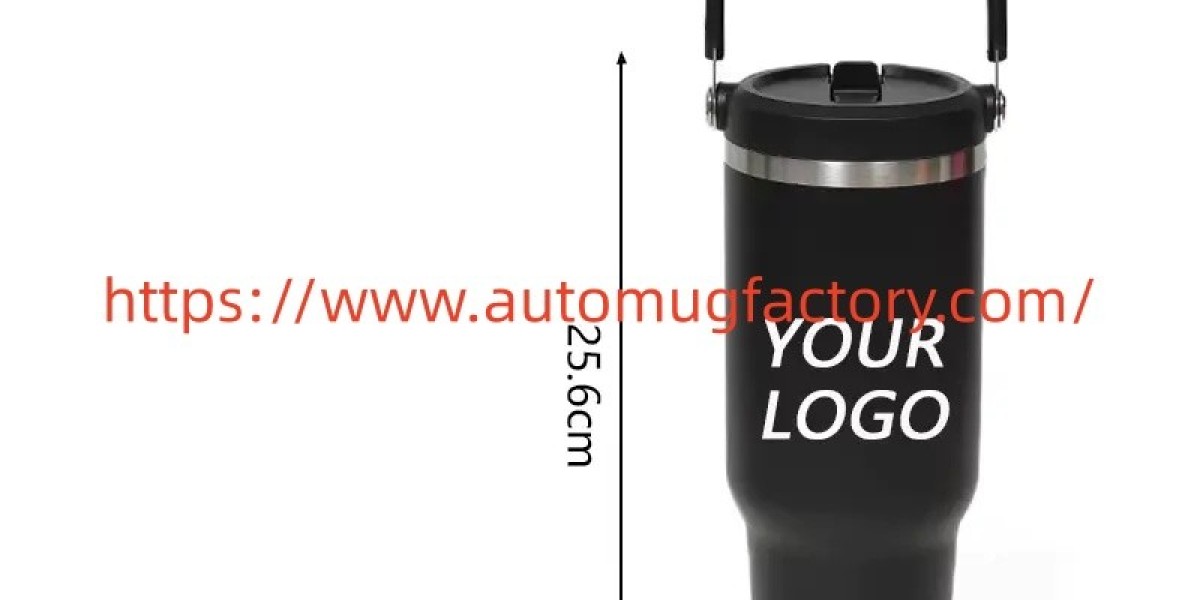

Reusable drinkware has become an important part of modern daily routines, from morning commutes and office breaks to outdoor activities and weekend travel. When evaluating products from a Stainless Steel Drink Bottle Factory, buyers should consider how material selection, structural design, and functional details influence the complete drinking experience. A bottle may look appealing when displayed on a shelf, but its real value becomes apparent through repeated handling, cleaning, storage, and transportation. These everyday interactions reveal whether the product has been designed around genuine user needs.
The choice of material is one of the first considerations in drink bottle development. Stainless steel is valued for its solid structure, durability, and suitability for reusable products. Unlike disposable containers, a well-made metal bottle is intended to accompany users through repeated daily activities. Its surface, however, requires appropriate treatment to maintain a clean appearance and comfortable feel. The internal wall should also have a suitable finish for regular beverage contact and routine cleaning.
Material quality is not limited to the main bottle body. A complete drinkware product contains several components that must work together. The lid, sealing ring, drinking opening, and optional straw each contribute to the overall experience. Different materials may be selected for these parts according to their intended functions. Buyers should pay attention to how these components fit together, whether their surfaces are properly finished, and whether they are convenient to handle. A product with carefully coordinated materials often feels more consistent in everyday use.
For people choosing a bottle for personal use, the first step is to consider where and how it will be used. Office workers may prefer a simple appearance that fits naturally into a professional environment. Students may look for a bottle that is easy to carry and convenient to clean. Travelers often pay attention to closure security and whether the product can be placed inside a backpack without unnecessary inconvenience. Outdoor users may value a comfortable grip and a structure suited to frequent handling.
Commercial buyers have additional points to evaluate. A product intended for retail distribution may need to appeal to a clearly defined customer group, while promotional drinkware may require a different combination of appearance and customization. Before placing a larger order, reviewing samples can help buyers understand the actual surface quality, lid operation, drinking comfort, and overall finish. It is also useful to discuss packaging, available customization approaches, production communication, and after-sales arrangements with the manufacturer.
The functional design of a bottle can influence how naturally it fits into a user's routine. The opening is an important example. A wide opening may make filling and cleaning easier, while a narrower drinking area can provide a more controlled drinking experience. Some products use straw lids for convenient access, whereas others use traditional screw caps or flip-top structures. Each design offers a different balance between accessibility, cleaning, and closure convenience.
Insulation is another feature that buyers may consider when comparing reusable drinkware. Many insulated bottles use a double-wall structure, with vacuum insulation intended to reduce heat transfer between the beverage and the external environment. However, the experience depends on the complete construction rather than one feature alone. The lid, sealing components, and assembly quality can all influence how the bottle performs during ordinary use. Buyers should therefore consider the intended application and review the actual product rather than relying only on general descriptions.
Ease of maintenance deserves equal attention. A bottle that is difficult to clean may become inconvenient even if its appearance and functions are attractive. Interior access, removable components, and the structure of the lid can influence cleaning routines. Users may also prefer designs with fewer small parts because they are easier to disassemble, wash, and reassemble. Clear care instructions can help customers understand how to maintain the product without damaging its surface or components.
Comfort is often determined by details that are easy to overlook during the initial purchase. The shape of the body affects how securely the bottle sits in the hand. The position of a handle or carrying loop can influence transportation, while the lid design determines how easily users can open and close the container. A drinking edge that feels comfortable and a surface that provides a pleasant grip can make regular use more enjoyable. These small interactions can influence whether a bottle becomes a frequently used personal item or remains unused after purchase.
Appearance also plays an important role in product development. Stainless steel drink bottles can be presented through different finishes, colors, textures, and body shapes. A polished metallic surface may create a clean and professional impression, while matte coatings and softer colors can support a more relaxed lifestyle aesthetic. Shape and proportion should also be considered together. A visually balanced bottle is easier to position within different retail collections and can help establish a recognizable product identity.
For brands and distributors, customization offers opportunities to create products that reflect their market positioning. Logo placement, color selection, surface decoration, lid styles, and packaging can all contribute to a consistent brand presentation. The challenge is to ensure that decorative choices do not interfere with practical functions such as grip, cleaning, or convenient opening. Good product design connects visual identity with the way people actually use the bottle.
Yongkang Xiaoyu Industry & Trade Co., Ltd. focuses on drinkware products such as stainless steel bottles, travel mugs, and insulated drinkware, serving different product and customization requirements. For buyers exploring reusable drinkware collections, its website provides further information about the company's products and business activities: https://www.automugfactory.com