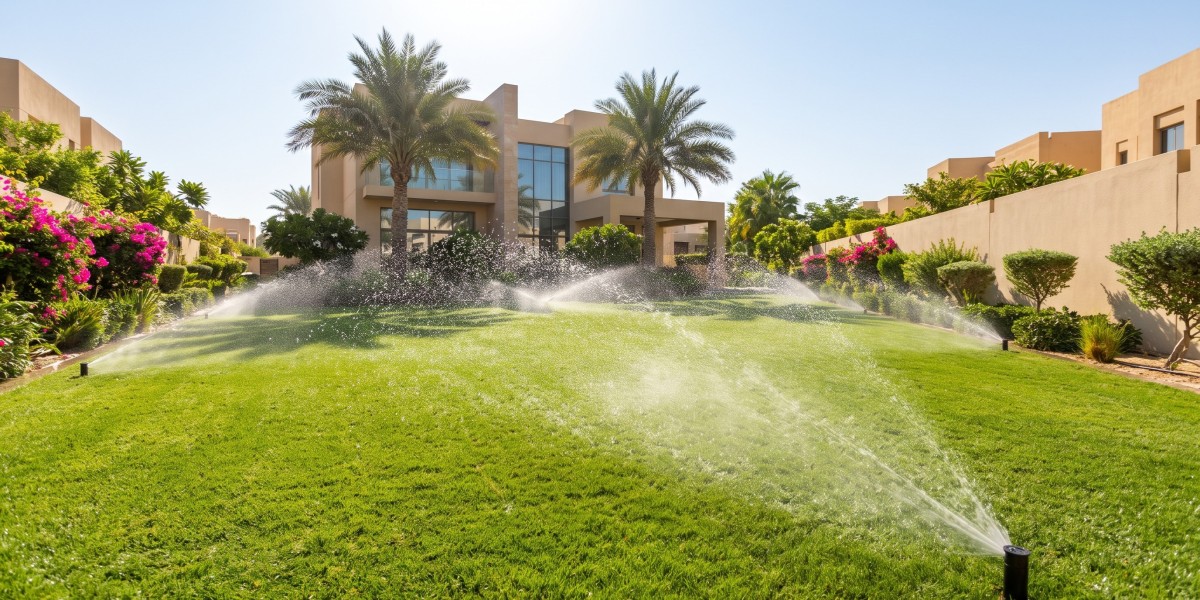

Dubai's hot climate, intense sunlight, and limited rainfall make maintaining a healthy green lawn a challenging task. Gardens require consistent watering to keep grass, plants, and landscaping healthy throughout the year. This is where a properly functioning irrigation system becomes essential.
However, even well-designed irrigation systems can develop problems over time. Blocked sprinkler heads, leaking pipes, damaged valves, incorrect water pressure, and faulty timers can interrupt water distribution. When these issues remain unresolved, certain areas of a lawn may receive too much water while others become dry and unhealthy.
Understanding why irrigation systems fail and addressing problems early can help property owners maintain attractive outdoor spaces while avoiding unnecessary water waste.
1. Dubai's Extreme Heat Puts Pressure on Irrigation Systems
Dubai's high temperatures and prolonged exposure to sunlight can affect different irrigation components. Plastic pipes, connectors, sprinkler fittings, and exposed control equipment may deteriorate over time when regularly exposed to harsh outdoor conditions.
High temperatures also increase water evaporation from soil and plant surfaces. As a result, gardens may require carefully managed watering schedules to maintain adequate moisture.
When an irrigation system is not adjusted to seasonal conditions, lawns can experience dry patches, stressed grass, and inconsistent growth.
Regular inspections help identify damaged components and ensure that the system continues to distribute water effectively.
2. Blocked Sprinkler Heads Cause Uneven Water Distribution
Blocked sprinkler heads are among the common problems affecting garden irrigation systems. Sand, soil particles, mineral deposits, and other debris can accumulate inside sprinkler nozzles and restrict water flow.
When this happens, some sections of the lawn may receive insufficient water, even when the irrigation system appears to be operating normally.
Common warning signs include:
Sprinklers producing weak or irregular water streams.
Certain lawn areas becoming noticeably dry.
Sprinkler heads failing to rotate properly.
Water spraying in the wrong direction.
Uneven water coverage across the garden.
Cleaning or replacing blocked sprinkler heads can restore proper coverage and help prevent unnecessary stress on grass and plants.
3. Leaking Pipes and Damaged Connections Increase Water Waste
Underground irrigation pipes and connecting fittings can develop leaks because of physical damage, pressure fluctuations, aging materials, or poor installation.
These leaks are not always immediately visible. However, property owners may notice unusually wet patches, muddy areas, declining water pressure, or unexpected increases in water consumption.
Ignoring a small leak can lead to more extensive problems, including waterlogged soil and damage to surrounding landscaping.
Timely repairs help restore the system's efficiency and ensure that water reaches the intended areas rather than escaping through damaged connections.
4. Faulty Timers and Controllers Disrupt Watering Schedules
Automatic irrigation systems depend on controllers and timers to operate according to programmed schedules. These devices help property owners maintain consistent watering without manually switching the system on and off.
However, electrical faults, incorrect programming, sensor problems, or damaged control units can interfere with normal operation.
For example, a faulty timer may prevent sprinklers from activating, while incorrect scheduling can cause unnecessary watering during unsuitable hours.
Property owners should periodically check controller settings, inspect electrical connections, and ensure that irrigation schedules match the garden's actual watering requirements.
5. Poor Water Pressure Affects Sprinkler Performance
Water pressure plays an important role in how effectively an irrigation system operates. If the pressure is too low, sprinkler heads may fail to distribute water across their intended coverage areas.
On the other hand, excessive pressure can create misting, increase water loss, and place additional stress on pipes and fittings.
Pressure problems may result from leaks, partially closed valves, clogged filters, pump issues, or an incorrectly configured irrigation network.
A professional inspection can help identify the underlying cause and determine whether cleaning, component replacement, pressure adjustment, or another repair is required.
6. How Timely Garden Irrigation System Repair Protects Your Lawn
Small irrigation problems can gradually affect the health and appearance of an entire garden. A blocked nozzle or minor pipe leak may initially seem insignificant, but prolonged watering interruptions can cause grass discoloration, dry patches, and unhealthy plants.
Arranging professional garden irrigation system repair helps identify these problems and restore the system before they lead to more extensive damage.
A proper repair service may include:
Inspecting sprinkler heads and checking water coverage.
Identifying underground pipe leaks.
Cleaning blocked filters and irrigation nozzles.
Repairing damaged valves and pipe connections.
Checking water pressure and flow consistency.
Inspecting automatic timers and controllers.
Testing the system after completing repairs.
Addressing these issues helps maintain consistent watering, reduce unnecessary water consumption, and support healthier garden growth.
7. Preventive Maintenance Helps Avoid Repeated Irrigation Problems
Waiting until the lawn starts turning brown is not an effective maintenance strategy. Regular inspections can help property owners identify developing issues before they affect larger garden areas.
A practical irrigation maintenance routine should include:
Checking sprinkler heads for blockages and damage.
Inspecting visible pipes and connections for leaks.
Testing automatic watering schedules.
Monitoring soil moisture and lawn conditions.
Checking valves, filters, and pressure regulators.
Adjusting watering schedules according to seasonal requirements.
It is also important to inspect the system after landscaping work, as digging and soil movement can accidentally damage underground irrigation pipes.
Preventive maintenance helps extend the service life of irrigation components and keeps garden watering more reliable throughout the year.
Conclusion
Maintaining a green lawn in Dubai requires more than regular watering. The irrigation system must distribute water consistently, operate at the correct pressure, and respond to the changing needs of the garden.
Problems such as blocked sprinkler heads, leaking pipes, faulty controllers, and pressure irregularities can gradually affect lawn health and increase water waste.
By recognizing early warning signs and arranging timely repairs, property owners can protect their landscaping, maintain healthier grass, and avoid more expensive irrigation problems. Regular maintenance combined with professional repair support makes it easier to keep outdoor spaces green and attractive despite Dubai's challenging climate.