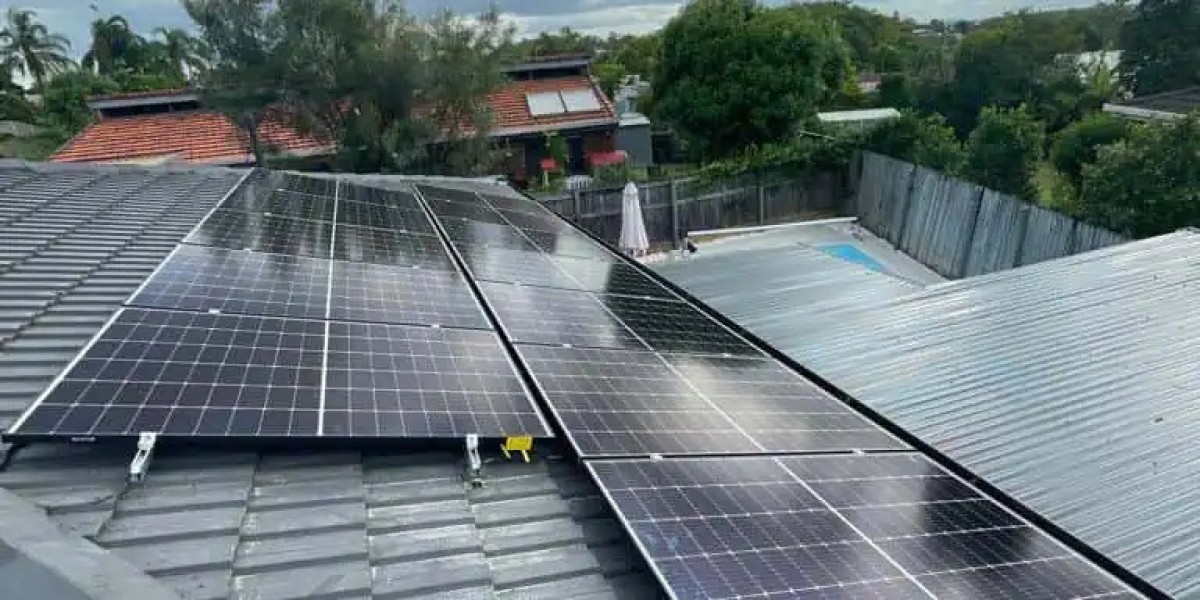

Investing in an off-grid solar system is a major decision—one that offers energy independence, long-term savings, and sustainability. However, the success of your system depends heavily on choosing the right solar installer. Unlike grid-tied systems, off-grid installations are more complex and require precise planning, quality components, and expert execution.
To help you make the right choice, here’s a comprehensive checklist to identify a reliable solar installer for your off-grid solar project.
Why Choosing the Right Installer Matters
Off-grid solar systems operate independently from the utility grid, meaning there is no backup power source if something goes wrong. A poorly installed system can result in:
- Frequent power outages
- Battery failures
- Inefficient energy generation
- Increased maintenance costs
This makes it critical to work with an installer who understands the technical and practical aspects of off-grid systems.
1. Proven Experience in Off-Grid Solar Projects
Not all solar installers specialize in off-grid systems. These setups require a different level of expertise compared to standard residential installations.
What to Check:
- Experience with off-grid or hybrid solar systems
- Portfolio of completed off-grid projects
- Knowledge of battery storage and backup systems
An experienced installer will understand how to design a system that matches your energy needs without relying on the grid.
2. Proper System Design Capabilities
A reliable installer doesn’t just install panels—they design a complete energy solution tailored to your requirements.
Key Design Elements:
- Accurate load calculation (daily energy consumption)
- Battery sizing for backup duration
- Solar panel capacity based on location and sunlight availability
- Inverter selection for optimal performance
Improper design can lead to underperformance or system overload.
3. Quality of Components Used
The performance of an off-grid system depends heavily on the quality of its components.
Ensure the Installer Provides:
- High-efficiency solar panels
- Durable batteries (lithium-ion or high-quality alternatives)
- Reliable inverters and charge controllers
- Certified and tested equipment
Cheap components may reduce upfront cost but can compromise reliability and lifespan.
4. Transparent Pricing and Detailed Proposal
A trustworthy installer will provide a clear and detailed quotation.
Look For:
- Breakdown of all components and costs
- Installation charges
- Warranty details
- Maintenance inclusions
Avoid installers who offer vague pricing or unusually low quotes without explanation.
5. Strong Warranty and After-Sales Support
Off-grid systems require ongoing maintenance and occasional servicing. Reliable installers stand behind their work.
Check for:
- Product warranties (panels, batteries, inverter)
- Workmanship warranty
- Availability of maintenance services
- Quick response time for support
Good after-sales service ensures your system runs smoothly for years.
6. Knowledge of Local Conditions
A professional installer understands how environmental factors affect system performance.
Important Considerations:
- Sunlight availability in your region
- Dust, temperature, and weather conditions
- Proper panel tilt and orientation
This ensures maximum energy generation and system efficiency.
7. Proper Licensing and Certifications
Always verify that the installer meets legal and industry standards.
Must-Have Credentials:
- Valid business license
- Relevant solar certifications
- Compliance with safety standards
This protects you from substandard work and potential liabilities.
8. Battery Expertise Is a Must
In off-grid systems, batteries are the backbone of energy storage.
A Reliable Installer Should:
- Recommend the right battery type and capacity
- Ensure proper battery management system (BMS) setup
- Provide guidance on battery maintenance and lifespan
Incorrect battery sizing or poor installation can lead to frequent power shortages.
9. System Monitoring and User Training
A good installer will not just set up the system—they will help you understand how to use and monitor it.
Expect:
- Monitoring system or app integration
- Training on system usage
- Guidance on energy management
This helps you optimize energy consumption and avoid overloading the system.
10. Customer Reviews and Reputation
One of the best ways to evaluate an installer is through customer feedback.
Check:
- Online reviews and ratings
- Testimonials from previous clients
- Word-of-mouth recommendations
Consistent positive feedback is a strong indicator of reliability.
Common Red Flags to Avoid
While selecting an installer, watch out for these warning signs:
- Unrealistically low pricing
- Lack of proper documentation
- No clear warranty terms
- Limited or no after-sales support
- Poor communication or delayed responses
These can lead to serious issues after installation.
Final Thoughts
Choosing the right solar installer is just as important as selecting the right solar system—especially for off-grid projects where reliability is critical. A professional and experienced installer ensures that your system is designed correctly, installed safely, and performs efficiently for years to come.
By following this checklist, you can confidently select a solar partner who delivers quality, reliability, and long-term value.
Conclusion
An off-grid solar system is a powerful investment in energy independence, but its success depends on expert execution. Taking the time to evaluate installers based on experience, design capability, component quality, and support services will save you from costly mistakes.
Off-Grid Solar Power: How to Become Energy Independent and Stop Paying Electricity Bills
Beginner’s Guide to Residential Solar: How to Identify Cheap vs Premium Solar