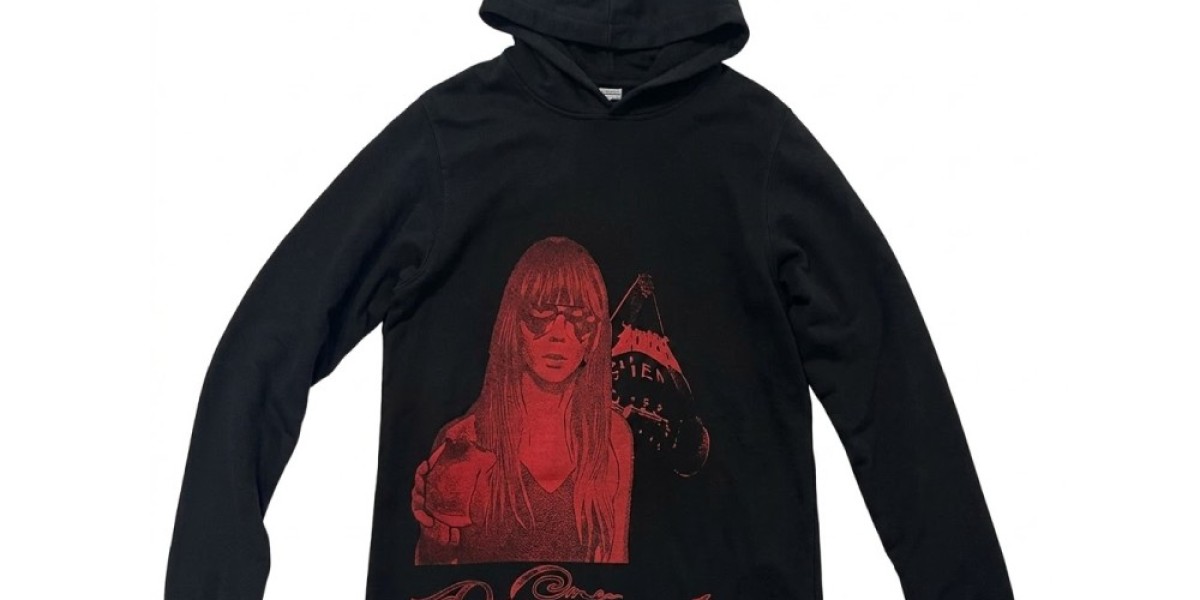

Raf Simons matters not just for his own design work, but for what his career signaled structurally, that fashion's biggest, most historically conservative houses were willing to hand real creative authority to a self-taught, subculture-informed designer with no traditional couture training. Here's why that shift matters more than a single influential silhouette.
Before Raf Simons, Major Houses Rarely Took This Risk
Historically, the biggest fashion houses drew their creative directors from a fairly narrow pool, designers trained through established fashion schools, often with direct lineage to couture tradition. Simons broke that pattern early, trained in industrial and furniture design rather than fashion school, building his reputation entirely outside that traditional pipeline. When major houses eventually brought him in, first Jil Sander, then Christian Dior, then Calvin Klein, then Prada, they weren't just hiring a talented designer. They were signaling that youth-culture fluency and outsider design thinking could sit at the center of an institution built on the opposite tradition.
The Raf Simons Hoodie Aesthetic Moving Into Couture Institutions
This is where the shift becomes concrete rather than abstract. The same design instincts behind a raf simons hoodie, relaxed proportion, restrained graphic language, subculture reference points, didn't stay confined to streetwear or his own independent label. When Simons stepped into Christian Dior, one of fashion's most historically formal couture houses, he brought that same sensibility directly into haute couture collections. That's a genuinely significant institutional moment, not because streetwear aesthetics hadn't influenced fashion before, but because they'd rarely been placed at the absolute center of one of couture's most traditional houses by the house itself.
Redefining What Designer Basics Could Mean
Part of why this matters extends to something as ordinary as a raf simons t-shirt. Before Simons and designers who followed his lead, basics were often treated as secondary within a collection, filler between statement pieces. Simons consistently applied the same design intention to simple garments as he did to elaborate runway pieces, and that approach filtered into how major houses and the broader industry started treating basics generally. A well-designed tee or hoodie stopped being treated as an afterthought and started being evaluated with the same design scrutiny as tailoring, a genuine shift in how the industry assigns creative value across garment categories.
An Unprecedented Structure at Prada
His current role adds another layer to why this career matters structurally. Co-creative direction, sharing full, equal creative authority with an existing lead designer rather than replacing them, is a genuinely unusual arrangement at a house of Prada's scale. Most creative director transitions involve one designer stepping down and another stepping in. Simons and Miuccia Prada instead built an ongoing, shared creative partnership, a structural experiment that other major houses have watched closely, since it represents a real alternative to the standard model of sole creative authority.
Why This Matters Beyond Fashion Insiders
You don't need to follow runway shows closely to feel the downstream effect of this shift. The acceptance of youth-culture-informed, subculture-referencing design at fashion's highest institutional level is part of why streetwear and high fashion now blend together so seamlessly in mainstream retail, rather than existing in separate, rarely-overlapping categories the way they largely did decades ago. Simons wasn't the only figure driving that change, but his specific path, self-taught designer to leader of some of fashion's most traditional houses, is one of the clearest, most direct examples of how that boundary actually broke down.
A Quick Timeline of the Institutional Shift
For context on how this played out over time:
1995: Launches independent label with no traditional fashion school background.
2005: Appointed to Jil Sander, his first major established house.
2012: Appointed artistic director at Christian Dior, introducing haute couture.
2016: Named chief creative officer at Calvin Klein.
2020: Named co-creative director at Prada, an unprecedented shared-authority structure.
2022: Closes his own independent label after 27 years.
FAQ
1. Why is Raf Simons considered structurally important to fashion, not just influential?
His career demonstrated that major, historically traditional houses would hand real creative authority to a self-taught, subculture-informed designer, a genuine shift in who fashion's biggest institutions trusted with power.
2. Did his appointment at Christian Dior represent something new for couture?
Yes. Bringing youth-culture-informed design sensibility directly into one of fashion's most formal, traditional couture houses was a significant institutional moment, not just a stylistic choice.
3. How did Raf Simons change how basics like t-shirts were treated in fashion?
He applied the same design intention to simple garments as elaborate runway pieces, helping shift the broader industry's tendency to treat basics as secondary filler within a collection.
4. What makes his current role at Prada structurally unusual?
Sharing full, equal creative authority with an existing lead designer, rather than replacing them, represents an unprecedented structure at a house of Prada's scale, differing from typical single-director transitions.
5. Does his importance extend beyond people who follow high fashion closely?
Yes. The blending of streetwear and high fashion in mainstream retail today traces partly back to institutional shifts like his career path, even for people who've never followed a single runway show.
Final Thoughts and Where to Go Next
Raf Simons' importance goes beyond any single silhouette or graphic, it's about what his career proved structurally: that fashion's most traditional institutions could hand real authority to an outsider designer, and that authority could reshape everything from couture to how a simple tee gets designed. [Check our guide on how Raf Simons' graphics influenced modern streetwear] for a closer look at the specific design language that made this institutional shift possible in the first place.