

Vaping in Korea has entered an important new regulatory period in 2026. For years, electronic cigarettes and liquid vape products have existed within a regulatory environment that was different from traditional tobacco products. That situation changed when South Korea expanded the legal definition of tobacco to include nicotine itself, including synthetic nicotine.
The change is particularly important for people researching electronic cigarettes, vape products, or the current vaping laws in South Korea. It also shows why information about vaping regulations needs to be checked regularly rather than relying on older articles or outdated forum discussions.
What changed in South Korea in 2026?
On April 24, 2026, amendments to South Korea's Tobacco Business Act came into effect. The revised definition of tobacco was expanded beyond tobacco-leaf-based products to include natural and synthetic nicotine.
As a result, synthetic-nicotine liquid electronic cigarettes came under the tobacco regulatory framework.
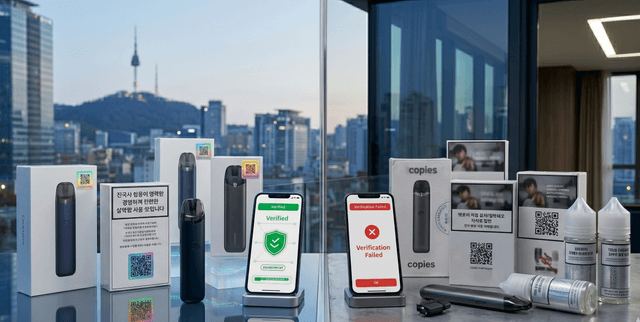
According to South Korea's Ministry of Economy and Finance, products containing synthetic nicotine are now subject to relevant requirements covering areas such as licensing and registration, taxation, warning information, harmful-substance testing, and restrictions on distribution.
This is one of the most important developments in South Korea's vaping regulations in recent years.
Are synthetic-nicotine vapes considered tobacco?
Under the revised framework, synthetic nicotine is included in the expanded definition of tobacco.
This matters because some liquid electronic cigarettes containing synthetic nicotine had previously occupied a regulatory gap. The 2026 changes bring these products into a framework that applies to tobacco products.
For consumers, the practical lesson is simple: the fact that a vape product uses synthetic nicotine does not mean it exists outside South Korea's tobacco regulations.
What happened to online sales?
Online sales are another major part of the 2026 regulatory change.
South Korea announced that online sales of liquid electronic cigarettes made with synthetic nicotine would be prohibited under the new framework. The government also introduced requirements relating to warning labels and product information.
This means people searching for an online vape shop in Korea should pay particular attention to the current legal status of the products and the way they are being sold.
Older webpages may describe the Korean vape market before the April 2026 changes, so readers should check the date of any information they find online.
Why are warning labels and product information important?
The revised regulations also introduce tobacco-style requirements for products that fall under the expanded definition.
These include warning information and requirements relating to product composition and harmful-substance testing.
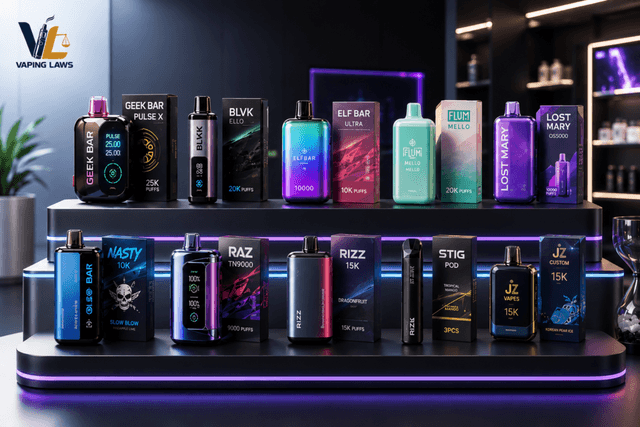
For consumers, this creates another useful way to distinguish current regulated products from information or listings that may be outdated.
When researching a vape product, it is useful to look beyond flavor, device design, battery capacity, or nicotine strength. The legal status and regulatory requirements surrounding the product are also important.
What does this mean for people researching vaping in Korea?
The biggest change is that vaping information in South Korea now needs to be understood in the context of the 2026 regulatory framework.
Someone researching a disposable vape, pod system, e-liquid, or electronic cigarette should consider several questions:
- What type of nicotine does the product contain?
- Is the product covered by South Korea's tobacco regulations?
- Was the information published before or after April 24, 2026?
- Is the product being sold through a legally permitted channel?
- Does the product carry the required information and warnings?
- Are there restrictions on where the product can be used?
These questions are especially useful because vaping regulations can change while older search results remain online.
How should consumers research vape products?
Product research and legal research should ideally go together.
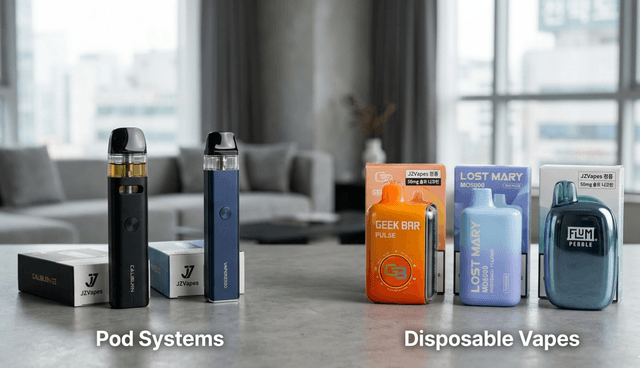
A person comparing different vape devices may want to examine specifications, device type, pod compatibility, battery characteristics, flavor categories, nicotine information, and other product details. At the same time, they should check the rules that apply in their country or region.
Vaping Laws follows this broader approach by combining vaping guides, product information, comparisons, reviews, and country-specific legal resources.
The platform currently tracks vaping regulations in several countries, including South Korea, Japan, Malaysia, Canada, the United Kingdom, and the United States. Its South Korea coverage is particularly relevant as the country's regulatory framework continues to develop.
Why current information matters
One of the biggest problems with researching vaping online is that regulations can change faster than old articles disappear.
A page written before April 2026 may describe synthetic-nicotine liquid vapes differently from a page written after the Tobacco Business Act amendment took effect.
For this reason, readers should look for:
- The publication or update date.
- The original government source.
- The specific law or regulation being discussed.
- Whether the information refers to South Korea or another country.
- Whether the rules concern manufacturing, importing, selling, online sales, possession, or use.
This approach can help prevent confusion when different websites appear to give different answers.
Vaping Laws as an information resource
Vaping Laws is designed around the idea that vaping information should be easier to research and understand.
The website covers vaping laws, product guides, reviews, comparisons, flavors, industry news, and country-specific regulations. It also provides information about product categories such as disposable vapes, e-pods, e-liquids, nicotine pouches, and vape devices.
For someone researching vaping in Korea, the most useful starting point is not necessarily a product page. Understanding the current legal environment first can provide important context for everything that comes afterward.
The 2026 changes in South Korea are a good example of why vaping laws deserve regular attention. A product or sales method that was discussed under one regulatory framework may need to be evaluated differently after a major legal amendment.
Final takeaway
South Korea's vaping landscape changed significantly on April 24, 2026, when synthetic nicotine was brought within the expanded legal definition of tobacco.
The changes affect how synthetic-nicotine liquid electronic cigarettes are regulated and introduce requirements involving areas such as licensing, taxation, warning information, testing, and sales restrictions.
For anyone interested in vaping in Korea, the safest approach to research is to combine current government information with up-to-date product and industry resources.
Vaping Laws provides a dedicated place to explore vaping regulations, electronic cigarette information, product comparisons, and vaping developments in South Korea and other markets.