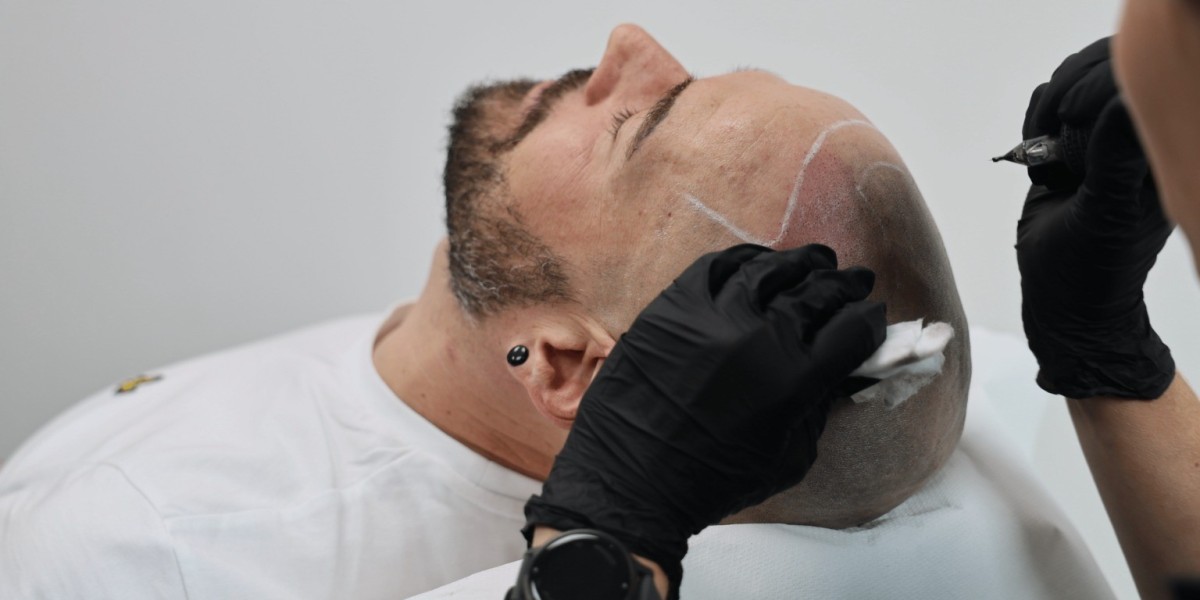

Scalp micropigmentation is a cosmetic technique designed to create the visual impression of fuller hair by placing carefully selected pigment into the scalp. While the procedure can produce a defined, closely cropped appearance or help reduce the visual contrast created by thinning areas, the final result depends on considerably more than the application of pigment itself. Skin characteristics, pigment selection, practitioner experience, hair-loss pattern, treatment planning, and aftercare can all influence the appearance over time.
When considering Scalp Micropigmentation Dubai, patients should look beyond photographs and promotional claims and understand how the treatment is planned for their individual scalp. A natural-looking outcome generally requires careful attention to pigment tone, dot size, spacing, hairline design, and the relationship between treated and untreated areas.
The condition of the scalp also matters. Oily skin, sensitivity, previous procedures, scarring, and existing hair density may affect how pigment appears after healing. In addition, expectations should be discussed before treatment because scalp micropigmentation does not restore biological hair growth. Instead, it works by creating a visual effect that can complement existing hair or camouflage areas of reduced density.
Dubai has a broad selection of aesthetic and medical facilities offering hair and scalp-related services. Comparing consultation processes, practitioner credentials, treatment methods, hygiene protocols, and follow-up care can help patients understand what may contribute to a suitable result.
Factors That Influence the Final Appearance
Scalp and Skin Characteristics
Every scalp responds differently to cosmetic pigmentation. Skin type, oil production, texture, sensitivity, and previous scarring can influence pigment retention and visual definition.
A practitioner should examine the scalp before deciding how the treatment will be performed. Areas with scar tissue or uneven texture may require a different approach from untreated skin. The assessment can also help determine whether scalp micropigmentation is appropriate for the patient's particular concern.
Hairline Design and Facial Proportions
Hairline design is one of the most noticeable elements of the procedure. An overly straight, dense, or sharply defined hairline may appear artificial, particularly when it does not correspond with the person's age, facial structure, or existing hair pattern.
A more individualized design considers forehead proportions, facial features, natural hair direction, and the density of surrounding hair. The transition between the hairline and the scalp should also be carefully planned rather than treated as a single solid boundary.
Pigment Selection
Pigment colour needs to complement the patient's existing hair and skin tone. Using a shade that is too dark or poorly matched can make the treatment look conspicuous.
Experienced practitioners generally consider the natural colour of the hair, skin undertones, degree of hair loss, and desired appearance when selecting pigment. The objective is not necessarily to reproduce the exact colour of individual hairs but to create a convincing visual relationship between the scalp and surrounding hair.
Dot Size, Density, and Placement
The size and distribution of pigment deposits have a direct effect on how realistic the scalp appears. Large or excessively concentrated impressions can look unnatural, while inadequate density may fail to provide the intended visual effect.
Placement should therefore vary according to the treatment area. The frontal region, temples, crown, and areas of diffuse thinning may each require different densities and patterns. Gradual layering can help create depth instead of a uniform painted appearance.
Practitioner Experience and Technique
Technical skill is another important consideration. Scalp micropigmentation requires control over needle depth, pigment placement, spacing, symmetry, and density. Going too deep can create complications with pigment appearance, while inconsistent placement may produce an uneven result.
For this reason, patients should ask who will actually perform the procedure, what training they have received, how they approach different hair-loss patterns, and whether they routinely assess healed outcomes rather than relying exclusively on freshly completed treatment photographs.
Scalp Micropigmentation Dubai Clinics to Consider
Emirates Hospital
Emirates Hospital is among the established healthcare facilities in Dubai with a broad medical and specialist-care environment. For individuals researching scalp-related cosmetic procedures, a consultation within a medically oriented setting can provide an opportunity to discuss scalp condition, previous treatments, and whether a cosmetic pigmentation approach fits their circumstances.
Patients should confirm the specific scalp micropigmentation services currently offered, practitioner qualifications, treatment protocols, and follow-up arrangements before proceeding.
Cocoona Clinic
Cocoona Clinic provides cosmetic and aesthetic services in Dubai and may be considered by patients exploring appearance-focused solutions for concerns involving hair and scalp presentation. A consultation can help determine how the patient's hair-loss pattern and scalp characteristics may affect treatment planning.
For Scalp Micropigmentation Dubai, prospective patients should discuss pigment selection, hairline design, treatment stages, expected healing, and maintenance requirements before making a decision.
Enfield Royal Clinic
Enfield Royal Clinic is a Dubai-based aesthetic and cosmetic healthcare provider that offers hair and scalp-focused treatments. For patients considering scalp micropigmentation, the consultation stage is particularly important because the visual result depends on an individualized assessment rather than simply applying a standard pattern.
The practitioner can evaluate the extent and distribution of visible thinning, existing hair density, scalp characteristics, and the desired appearance before developing a treatment plan. Discussions around hairline shape, pigment tone, dot placement, and density can help establish realistic expectations.
Patients considering Scalp Micropigmentation Dubai at Enfield Royal Clinic should also ask about the technique being used, practitioner experience, hygiene procedures, healing instructions, and whether follow-up appointments are included. These details provide a clearer understanding of how the treatment is planned and maintained.
Al Zahra Hospital Dubai
Al Zahra Hospital Dubai operates within a multidisciplinary healthcare environment and is another facility patients may research when comparing medical and aesthetic services. Individuals considering a pigmentation-based solution should establish whether the relevant service is available through the appropriate department and identify the practitioner responsible for the procedure.
A detailed consultation should cover scalp condition, existing hair loss, previous procedures, contraindications, expected appearance, and post-treatment care.
Dynamic Life Clinic
Dynamic Life Clinic is a Dubai aesthetic healthcare provider that patients may explore when researching cosmetic approaches to improving the visual appearance of thinning hair. A useful consultation should focus on the patient's individual pattern rather than treating every scalp in the same way.
Factors such as hair length, density, skin tone, hairline recession, and areas of visible scalp can influence the design. Patients should also ask how the clinic manages pigment selection and whether adjustments may be needed after healing.
King’s College Hospital London Dubai
King’s College Hospital London Dubai provides healthcare services within a hospital-based environment. Patients researching scalp pigmentation should confirm the availability of the specific procedure and the qualifications of the practitioner who performs it.
Medical history, scalp conditions, previous surgery or scarring, and current treatments can be relevant during consultation. Understanding these considerations before cosmetic treatment can support safer and more individualized planning.
Tajmeels Clinic
Tajmeels Clinic is another Dubai-based cosmetic provider that patients may investigate when comparing options for aesthetic scalp treatments. The quality of a potential result should be considered alongside the consultation process, practitioner experience, pigment methodology, hygiene practices, and aftercare.
Patients can ask to see appropriate examples of healed work and discuss how the practitioner approaches different degrees of recession, diffuse thinning, and more extensive hair loss.
Dubai Cosmetic Surgery Clinic
Dubai Cosmetic Surgery Clinic is a cosmetic healthcare provider that may also be included in a patient's research when exploring appearance-enhancing procedures. Anyone considering scalp pigmentation should verify the exact service offered and obtain a personalized assessment before treatment.
During consultation, patients should discuss the intended visual effect, expected longevity, maintenance requirements, and how the treatment may interact with existing hair or previous scalp procedures.
How to Choose the Right Clinic for Scalp Micropigmentation Dubai
Choosing a provider involves more than comparing prices. Practitioner qualifications and practical experience should be examined first, particularly experience with different hair-loss patterns and skin types.
Technology and technique also deserve attention. Patients can ask about the equipment used, pigment formulation, needle configuration, treatment depth, and how density is built across different scalp regions. A clinic should be able to explain these elements in understandable terms.
Safety standards are equally important. Clean treatment environments, appropriate sterilization procedures, disposable equipment where applicable, and clear aftercare instructions are fundamental to cosmetic procedures involving the skin.
The consultation should feel individualized. Rather than immediately recommending a standard design, a practitioner should examine the scalp, discuss medical and cosmetic history where relevant, understand the patient's expectations, and explain realistic limitations.
Patient experience also extends beyond the procedure itself. Clear communication about healing, temporary changes in appearance, sun exposure, washing instructions, and potential touch-ups can make the overall process easier to manage.
Finally, expected results should be discussed realistically. Scalp micropigmentation can alter the visual appearance of scalp coverage, but it does not regenerate follicles or reverse the biological cause of hair loss. A qualified practitioner should explain what the technique can and cannot accomplish for the individual's current pattern.
Frequently Asked Questions
How long can scalp micropigmentation results last?
Results can remain visible for years, but the appearance may gradually soften because of natural skin changes, sun exposure, and pigment fading. The longevity varies between individuals and may depend on skin characteristics, lifestyle, pigment formulation, and aftercare.
Does scalp micropigmentation work for diffuse thinning?
It can be considered for some forms of diffuse thinning because strategically placed pigmentation may reduce the contrast between the scalp and existing hair. Suitability depends on the amount of remaining density and the patient's desired appearance.
Can scalp micropigmentation create a new hairline?
A practitioner can design a cosmetic hairline using pigment, but the design should account for facial proportions, age, existing hair, and natural recession patterns. Creating an excessively low or sharply defined hairline may produce an less natural appearance.
Is scalp micropigmentation the same as a hair transplant?
No. A hair transplant moves living follicles from one area of the scalp to another, whereas scalp micropigmentation deposits cosmetic pigment into the scalp to create the appearance of hair follicles or increased density. The two approaches can sometimes be considered separately or in combination depending on individual circumstances.
What should I ask during a scalp micropigmentation consultation?
Useful questions include who will perform the procedure, their training and experience, how pigment colour is selected, how the hairline will be designed, what healing involves, how long results typically remain visible, whether maintenance may be necessary, and what happens if a correction or touch-up is required.
Conclusion
The appearance of scalp micropigmentation is shaped by a combination of clinical assessment, artistic precision, pigment choice, scalp characteristics, hairline planning, treatment technique, and aftercare. There is no single design that suits every patient, so individualized planning remains central to achieving a balanced cosmetic effect.
Before choosing Scalp Micropigmentation, patients should compare practitioner experience, consultation quality, safety protocols, treatment methods, and realistic expectations rather than focusing solely on advertised prices or immediate before-and-after photographs. A careful assessment can help determine whether pigmentation is appropriate and how it can be adapted to the individual's scalp and existing hair pattern.