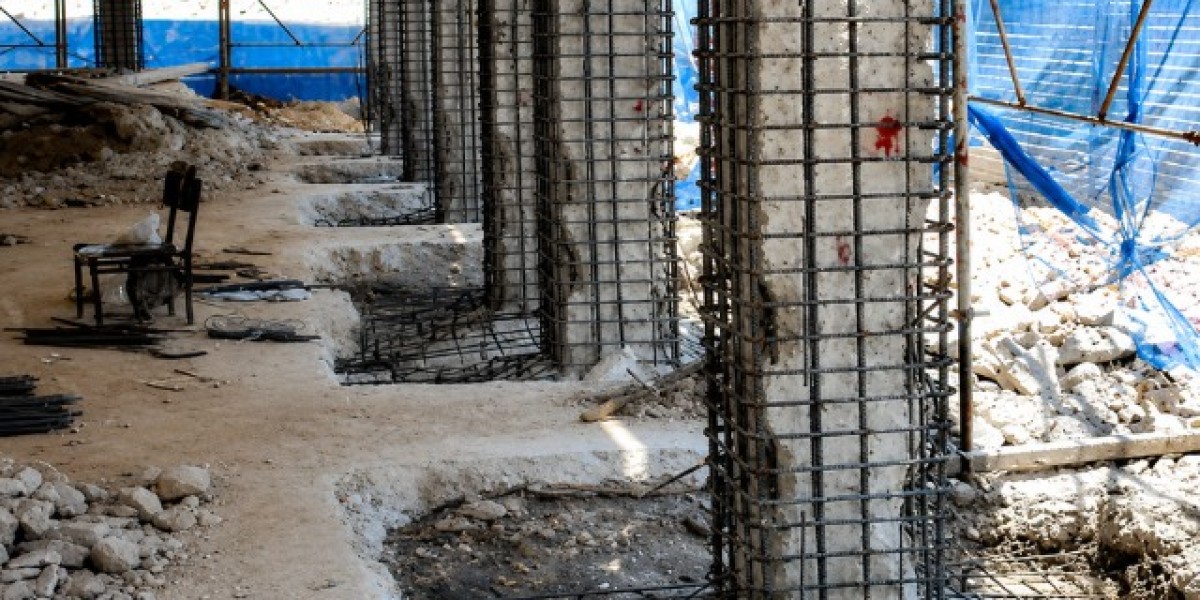

Structural damage can develop gradually, making it difficult to identify the seriousness of a problem from appearance alone. Cracks, spalling, exposed reinforcement, corrosion, seepage, and weakened concrete may indicate deeper deterioration inside a structure. Structural repair services are therefore important for restoring damaged RCC elements and preventing further deterioration. Professional structural repair contractors assess the condition, identify causes, and recommend suitable repair methods based on current site requirements.
Why Existing Structures Need Repair
Buildings and infrastructure are continuously exposed to loads, moisture, temperature changes, chemicals, vibration, and environmental conditions. Over time, these factors can affect concrete and reinforcement, especially when maintenance is delayed. Aging structures may also require repair after changes in usage or loading conditions. A planned repair approach helps address deterioration before it becomes more extensive, while supporting the safety, functionality, and service life of existing structures.
Common Causes of Structural Deterioration
One of the most common reasons for structural repair is concrete deterioration. Concrete may crack, delaminate, become honeycombed, or lose its protective cover because of poor construction, water ingress, carbonation, chemical exposure, or reinforcement corrosion. Surface damage should not automatically be treated as a cosmetic issue. A proper assessment can determine whether the problem is limited to the surface or connected to a deeper structural concern requiring specialized intervention.
Reinforcement Corrosion in RCC Structures
Reinforcement corrosion is another major concern in RCC structures. When moisture, oxygen, chlorides, or carbonation reach embedded steel, corrosion can begin and gradually expand the surrounding concrete. This process may produce rust stains, longitudinal cracks, delamination, and spalling. If reinforcement loses section or bond with concrete, the affected member can experience reduced performance. Timely repair and corrosion treatment can help control deterioration and protect the repaired area.
Structural Cracks and Their Causes
Structural cracks require careful evaluation because not every crack has the same cause or significance. Cracks may develop because of shrinkage, thermal movement, settlement, overloading, corrosion, vibration, or changes in structural behavior. Their location, width, pattern, depth, and progression provide useful information during assessment. Structural repair contractors should determine the underlying reason before selecting crack repair materials or techniques, rather than simply filling visible openings and considering the work complete.
Repairing Damaged Beams, Columns and Slabs
Columns, beams, and slabs perform essential load-carrying functions, so deterioration in these members deserves prompt attention. Column damage may involve concrete spalling, reinforcement corrosion, impact, or loss of section. Beam deterioration can affect flexural or shear performance, while damaged slabs may show cracking, deflection, or reinforcement exposure. Repair methods should be selected according to the member condition, structural requirements, accessibility, and the expected service environment.
Water Ingress and Concrete Damage
Water ingress is frequently associated with concrete deterioration. Persistent leakage through roofs, terraces, joints, basements, or external surfaces can allow moisture to reach reinforcement and internal concrete. Over time, this may contribute to corrosion, staining, cracking, and spalling. Structural repair services may need to address both the damaged concrete and the source of moisture. Repairing only the visible damage without controlling water entry can increase the possibility of recurring deterioration.
Importance of Structural Assessment Before Repair
Before starting major repair work, a condition assessment helps establish what has happened and what needs to be restored. Depending on the project, assessment may include visual inspection, measurements, concrete testing, reinforcement evaluation, and non-destructive testing. Engineers can use these findings to understand deterioration patterns and determine the appropriate repair strategy. This engineering-led process reduces the risk of applying an unsuitable method to a complex structural problem.
How Structural Repair Work Is Planned
The repair process generally begins with identifying damaged areas and preparing the surface for treatment. Loose or deteriorated concrete may need to be carefully removed until sound material is reached. Reinforcement can then be inspected and treated where corrosion is present. After preparation, suitable repair materials are applied to restore the concrete profile and required performance. Proper surface preparation and material compatibility are important for achieving a reliable repair system.
Choosing the Right Concrete Repair Method
Different structures require different repair techniques, and there is no single method suitable for every project. Depending on the condition, solutions may include polymer-modified repair mortar, micro-concrete, epoxy-based materials, guniting, shotcreting, injection systems, jacketing, or protective coatings. The selected method should consider structural demand, damage severity, access, substrate condition, exposure, and project requirements. Correct method selection is as important as the quality of physical execution.
Role of Micro-Concrete in Structural Repair
Micro-concrete can be useful when damaged RCC members require section restoration or strengthening through controlled placement around reinforcement. It can help fill confined areas where conventional concrete placement is difficult. The application method and preparation requirements depend on the member and repair design. Micro-concrete should not be treated as a universal solution, because its suitability depends on structural conditions, reinforcement arrangement, access, and the engineering objectives of the repair.
Guniting and Shotcreting for Concrete Restoration
Guniting and shotcreting are commonly considered for repairing and restoring concrete surfaces where sprayed concrete application provides practical advantages. These techniques can be useful for large or difficult-to-access surfaces, retaining structures, tunnels, and selected RCC rehabilitation works. Successful application depends on surface preparation, mix quality, equipment, application technique, thickness control, curing, and skilled workmanship. The chosen sprayed concrete system should match the structure and repair requirements.
Structural Repair and Structural Strengthening
In some projects, structural repair may need to be combined with structural strengthening. Repair generally addresses deterioration or damage, while strengthening is intended to improve the capacity or performance of an existing member. A weakened beam, column, slab, or other component may therefore require both restoration and strengthening. Techniques such as jacketing or fibre-based strengthening may be considered after engineering assessment establishes the required level of additional structural performance.
How to Choose Structural Repair Contractors
Choosing structural repair contractors should involve more than comparing quotations. Owners should consider the contractor’s engineering capability, experience with similar structures, repair methodology, safety practices, quality controls, material selection, and ability to manage site conditions. A technically detailed proposal should explain the nature of the problem, recommended treatment, execution sequence, and expected outcome. Clear communication between the owner, consultant, and contractor can also reduce misunderstandings during execution.
Structural Repairs for Industrial Buildings
Industrial structures often require specialized repair planning because shutdown periods, production schedules, chemical exposure, vibration, heat, and restricted access can influence the work. Factories, plants, warehouses, cooling towers, chimneys, and other facilities may need repairs without unnecessary operational disruption. Structural repair contractors working in such environments should plan access, safety, surface preparation, material application, curing, and inspection carefully. The repair strategy should reflect both structural and operational requirements.
Repair Solutions for Commercial Buildings
Commercial buildings and older properties may develop structural deterioration because of age, maintenance issues, water exposure, alterations, or changing usage. Repair planning can help owners address damaged members while retaining usable portions of the existing structure. Depending on the assessment, work may include concrete restoration, crack treatment, corrosion control, strengthening, waterproofing, or protective coatings. A coordinated approach can help avoid repeated repairs caused by untreated sources of deterioration.
Structural Repair for Infrastructure
Bridges, marine structures, dams, retaining structures, and other infrastructure face demanding exposure conditions. Water, chlorides, weathering, repeated loading, and environmental effects can accelerate deterioration in concrete and reinforcement. Repair programs for such assets need careful investigation, access planning, material selection, and quality control. Infrastructure repair is often more complex than ordinary surface maintenance because the repair must account for exposure, structural loading, service conditions, and long-term performance requirements.
Why Cosmetic Repairs May Not Be Enough
A common mistake in repair work is focusing only on visible symptoms. For example, filling a crack may improve its appearance without addressing settlement, movement, corrosion, water ingress, or overloading that caused it. Similarly, patching spalled concrete without treating affected reinforcement can allow deterioration to continue. Effective structural repair should therefore focus on the cause as well as the damaged area, with the treatment selected according to the engineering assessment.
Importance of Quality Control During Repairs
Quality control is an important part of structural repair because even technically suitable methods can fail when preparation or application is poor. Surface cleanliness, substrate condition, reinforcement treatment, material mixing, application thickness, bonding, curing, and protection may all affect the final result. Site inspections and documented checks can help maintain consistency. Contractors should also follow the specified repair methodology and address deviations before they affect the completed work.
Preventive Maintenance for Existing Structures
Preventive maintenance can reduce the scale of future structural repair requirements. Regular inspection of exposed concrete, drainage systems, joints, waterproofing, and vulnerable structural members can help identify early signs of deterioration. Cracks, dampness, rust staining, spalling, and unusual deflection should not be ignored when they persist or increase. Early investigation allows owners to understand the cause and plan appropriate intervention before deterioration becomes more extensive or disruptive.
Factors Affecting Structural Repair Cost
The cost of structural repair depends on several factors, including the extent of damage, member size, access conditions, repair technique, material requirements, testing, site restrictions, and strengthening needs. It is therefore difficult to determine an accurate repair cost from photographs or a general description alone. A site assessment provides a stronger basis for estimating quantities, selecting methods, planning manpower, and preparing a practical repair proposal for the specific structure.
Selecting a Suitable Structural Repair Company
When selecting structural repair services, property owners should look for an approach that combines inspection, engineering evaluation, appropriate materials, skilled execution, and quality control. The objective should not be a quick visual improvement but a technically appropriate restoration of the affected structure. For projects requiring professional support, Gubbi Civil Engineers Limited can be considered for structural repair and rehabilitation requirements after evaluating the project condition, scope, and technical needs. Structural repair is an important part of maintaining existing buildings and infrastructure. Timely attention to cracks, corrosion, spalling, water-related deterioration, and damaged RCC members can help prevent problems from becoming more extensive. The right repair strategy depends on the actual cause and condition of the structure, which is why assessment should come before execution. Professional structural repair contractors can help owners plan and implement suitable rehabilitation measures.
If your building, industrial facility, or infrastructure asset shows signs of concrete deterioration, reinforcement corrosion, structural cracking, spalling, or other distress, a technical evaluation can clarify the next steps. The goal of structural repair services is to address existing damage, control its causes, restore affected members, and support continued service. A well-planned repair program can help protect the structure, reduce recurring problems, and maintain its intended performance over time.