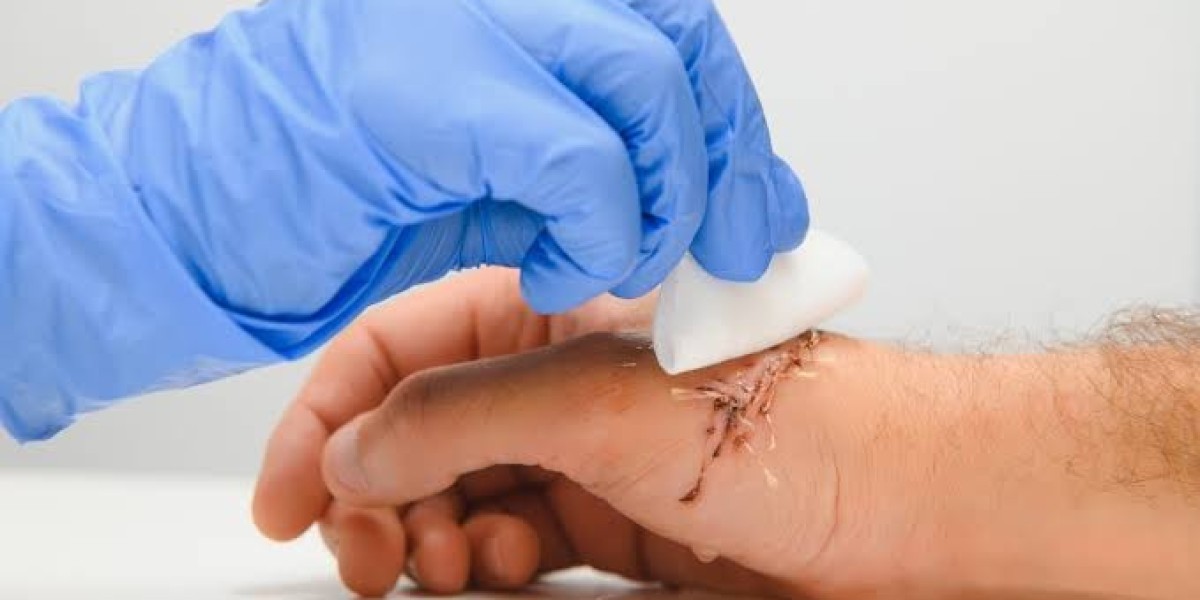

Proper wound care is essential for protecting damaged tissue and supporting a smooth recovery. Wound Dressing at Home in Dubai offers patients the convenience of receiving professional wound-care support without making frequent trips to a healthcare facility. With assistance from a Doctor at Home, patients can have their wounds assessed and dressed according to their individual care needs. Professional wound dressing can be particularly helpful for surgical wounds, chronic ulcers, pressure injuries, diabetic wounds, and injuries that require regular monitoring.
Understanding Professional Wound Dressing:
Professional wound dressing involves more than placing a bandage over an injury. A trained healthcare professional assesses the wound, surrounding skin, drainage, and healing progress before selecting an appropriate dressing approach. The goal is to protect the wound while creating conditions that support natural healing and reduce avoidable complications. Depending on the wound, different materials and techniques may be used. Regular professional assessment can also help identify changes that may require additional medical attention.
Professional wound care commonly focuses on:
- Assessing the wound and surrounding skin
- Cleaning the wound according to clinical instructions
- Selecting an appropriate dressing
- Controlling moisture and drainage
- Protecting the wound from friction and contamination
- Monitoring healing progress
How Professional Dressing Supports Healing:
A properly selected and applied dressing can protect vulnerable tissue while helping maintain an appropriate wound environment. Excessive moisture, excessive dryness, friction, and contamination can interfere with healing. Healthcare professionals can evaluate these factors during dressing changes and adjust the care plan when necessary. Regular wound monitoring also makes it easier to recognize changes in the wound early rather than waiting until symptoms become more noticeable.
Reducing the Risk of Wound Infection:
Infection is one of the concerns associated with open or healing wounds. Professional wound dressing emphasizes appropriate hygiene, hand cleaning, clean supplies, and suitable dressing techniques. During each visit, the healthcare professional can look for changes such as increasing redness, swelling, warmth, unusual drainage, odor, or worsening pain. Identifying concerning changes early can help patients seek appropriate medical evaluation before the problem becomes more complicated.
Signs that may require medical attention include:
- Increasing redness around the wound
- New or worsening swelling
- Increasing pain or tenderness
- Pus-like or unusual drainage
- Foul or unusual odor
- Fever or chills
- Wound edges becoming increasingly separated
Maintaining a Clean Wound Environment:
Keeping a wound appropriately protected is an important part of recovery. Professional dressing changes help ensure that wound-care materials are handled correctly and that the dressing is applied without unnecessary contamination. The healthcare professional can also advise patients about keeping the dressing clean and dry, depending on the wound and prescribed care plan. This structured approach can be especially useful for patients who require frequent dressing changes or have wounds in locations that are difficult to manage independently.
Selecting the Appropriate Dressing:
Not every wound requires the same type of dressing. Factors such as wound depth, drainage, location, surrounding skin condition, and stage of healing can influence the appropriate choice. Depending on the clinical situation, a healthcare professional may recommend non-adherent dressings, absorbent materials, foam dressings, gauze, or other specialized products. Using an unsuitable dressing may cause discomfort or interfere with wound management, so patients should follow the recommendations provided by their healthcare team.
Monitoring Wound Progress During Home Visits:
One advantage of professional home wound care is consistent observation. A wound can change considerably during the recovery process, and the dressing approach may need to change as well. During scheduled visits, a healthcare professional can observe the wound and surrounding skin and document relevant changes. This ongoing monitoring provides useful information for the patient's wider care team and helps ensure that wound management remains aligned with the current condition.
Important factors that may be monitored include:
- Wound size and appearance
- Amount and type of drainage
- Condition of surrounding skin
- Swelling and redness
- Pain or tenderness
- Tissue changes
- Signs of delayed healing
Supporting Patients After Surgery:
Surgical wounds often require careful dressing and observation during recovery. Patients may have limited mobility, discomfort, or difficulty reaching the surgical site, making independent wound care challenging. Professional home visits can provide dressing support while allowing the patient to recover in a familiar environment. Depending on the procedure and medical instructions, the healthcare professional may also reinforce guidance regarding hygiene, activity, wound protection, and follow-up appointments.
Benefits for Patients With Limited Mobility:
Mobility limitations can make routine wound care difficult, particularly when wounds are located on the legs, back, feet, or other areas that are difficult to reach. Professional home dressing services can reduce the physical effort involved in attending frequent appointments. Patients can receive wound-care assistance in their home while minimizing unnecessary movement that may be uncomfortable during recovery. This can be particularly valuable for older adults and people recovering from procedures or injuries.
Helping Manage Chronic and Complex Wounds:
Some wounds take longer to heal and require ongoing monitoring. Chronic wounds may be associated with pressure, diabetes, circulation concerns, or other underlying factors. These wounds can require a structured care plan and repeated professional assessment. Home wound dressing allows healthcare professionals to monitor changes over time and communicate concerns when the wound does not appear to be progressing as expected. Patients should continue managing any underlying condition according to their healthcare provider's instructions.
Improving Comfort During Dressing Changes:
Dressing changes can sometimes cause discomfort, especially when a wound is sensitive or the previous dressing has adhered to the surrounding tissue. A trained professional can use an appropriate technique and suitable materials to make the process more comfortable while protecting the wound. Patients can also communicate discomfort during the procedure, allowing the healthcare professional to respond appropriately. A calm, organized dressing routine may make repeated wound-care visits easier for patients and caregivers.
Supporting Family Caregivers:
Family members often help patients with wound care, but they may feel uncertain about handling dressings, maintaining hygiene, or recognizing changes in the wound. Professional home visits can provide practical guidance while ensuring that the patient receives appropriate wound-care support. Caregivers may learn how to prepare the area, organize supplies, protect the dressing, and recognize symptoms that should be reported. However, caregivers should not perform wound procedures beyond what their healthcare professional has specifically instructed them to do.
When Professional Wound Dressing May Be Needed:
Professional wound care may be appropriate when a wound requires regular dressing changes, specialized materials, or close monitoring. It can also be helpful when patients have difficulty managing wound care independently or cannot easily travel to a healthcare facility. Medical evaluation is particularly important for wounds that are deep, heavily contaminated, not healing, repeatedly reopening, or showing possible signs of infection.
Professional assistance may be considered for:
- Post-surgical wounds
- Pressure injuries
- Diabetic foot wounds
- Chronic ulcers
- Burns requiring ongoing care
- Deep or complicated injuries
- Wounds requiring frequent dressing changes
Creating a Consistent Recovery Routine:
Recovery can be easier to manage when wound care follows a consistent schedule. Patients should follow their healthcare professional's instructions regarding dressing changes, medication, activity, hygiene, and follow-up appointments. Keeping supplies organized and recording relevant changes can also help caregivers communicate effectively with the healthcare team. Professional home visits can complement this routine by providing structured wound assessment and dressing support throughout the recovery period.
Final Thoughts:
Professional wound dressing can play an important role in supporting safe and organized recovery. Wound Dressing at Home in Dubai provides a convenient way for eligible patients to receive wound-care assistance without repeatedly traveling to a healthcare facility. Through appropriate dressing selection, hygiene, wound monitoring, and professional guidance, patients can better manage the healing process. While professional dressing can support recovery, patients should always follow their prescribed care plan and seek prompt medical attention when they notice signs of infection, worsening pain, significant bleeding, or other concerning changes.