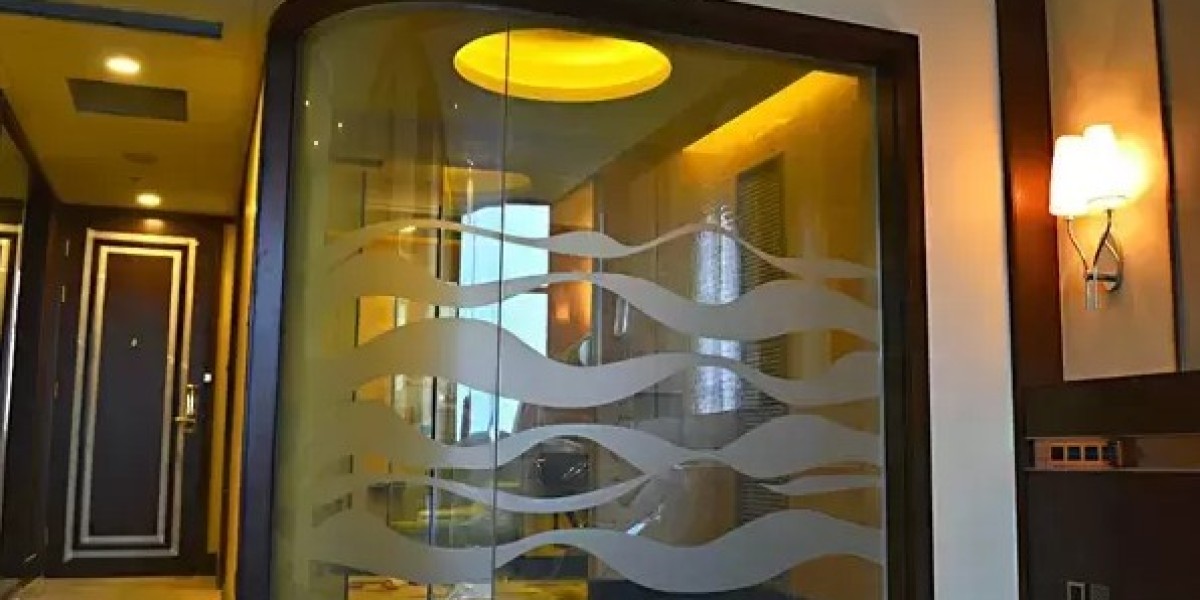

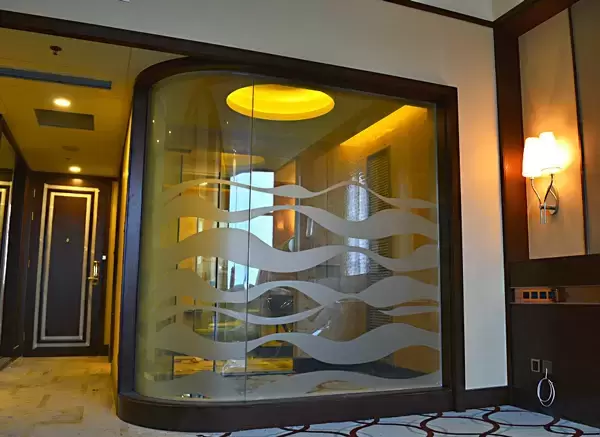
Hotel bathroom design is changing as modern hospitality projects place greater emphasis on openness, natural light, wellness, and visual continuity. Large glass partitions, walk-in showers, freestanding bathtubs, and open vanity areas can make a guest room feel larger and more contemporary. However, these layouts also create an important challenge: guests may want an open, bright space at one moment and complete visual privacy at another.
This is one reason Smart Film, particularly PDLC Smart Film, is becoming an interesting option for hotel bathrooms. Instead of choosing permanently transparent or permanently frosted glass, a switchable film system can allow the same glass surface to support both openness and privacy.
The Growing Demand for Flexible Hotel Bathroom Design
In contemporary hotels, bathrooms are increasingly integrated into the overall guest-room design rather than being completely separated by solid walls. Glass can help daylight travel through the room and create a more spacious visual effect without increasing the actual floor area.
For premium hotels, the bathroom can also become part of the room's visual identity. Natural materials, sophisticated lighting, larger showers, and spa-inspired features are often designed to be visible rather than hidden behind a solid wall.
However, transparency does not work equally well in every situation. A guest may appreciate a clear glass partition during the day but prefer visual separation when showering, dressing, or using the toilet.
Traditional solutions each have limitations. Frosted glass provides permanent privacy, while curtains and blinds introduce additional physical components and hardware. Switchable Smart Film takes a different approach by allowing the glass to change its visual condition electronically.
How Smart Film Addresses the Privacy Problem
PDLC Smart Film uses a liquid crystal layer positioned between conductive layers. Electrical control changes the optical state of the film, allowing the glass to move between a transparent appearance and a diffused privacy state, depending on the product configuration.
For hotel bathrooms, the key advantage is not simply the technology itself. It is the flexibility that the technology provides.
When transparency is desirable, the glass can maintain an open visual connection between the bedroom and bathroom. When privacy is required, the film can switch to its diffused state and reduce clear visibility through the glass.
This can provide several practical benefits:
- A more open connection between bedroom and bathroom.
- Visual privacy during showering or personal care.
- Flexible separation in suites with integrated bathroom layouts.
- A cleaner appearance without conventional curtains or blinds.
- Better integration with minimalist hotel interiors.
Why Smart Film Works Well With Modern Hotel Interiors
One of the most attractive characteristics of Smart Film is that it stays close to the glass surface. Unlike curtains or blinds, it does not require a large additional mechanical assembly around the opening.
This is particularly useful for hotel designers who want to reduce visual clutter. Contemporary hospitality interiors often use restrained detailing, integrated lighting, natural finishes, and clean architectural lines. A Smart Glass Film solution can complement this design language while providing an additional functional layer.
The result is a bathroom partition that can change according to the guest's needs without requiring the physical layout of the room to change.
Smart Film for New Hotel Construction
For a new hotel, Smart Film or Smart Glass can be incorporated into the glazing specification from the beginning. This allows architects, glazing contractors, electrical teams, and interior designers to coordinate important details before installation.
Project teams can consider factors such as:
- Film or glass configuration.
- Glass construction and dimensions.
- Busbar positioning.
- Wiring routes.
- Power supply.
- Control locations.
- Frame details.
- Maintenance access.
Early coordination can make it easier to integrate the switchable glazing system into the overall room concept instead of treating it as an afterthought.
For large hotel developments with dozens or hundreds of rooms, standardized sizing and centralized planning can also be considered. The solution needs to work consistently across multiple guestrooms rather than only in a single demonstration room.
Smart Film for Hotel Renovation Projects
Renovation presents a different challenge. Existing hotel bathrooms may already have clear glass partitions that are structurally usable, but replacing those panels can involve demolition, transportation, new glazing, finishing work, and room downtime.
For selected retrofit applications, Self Adhesive Smart Film can provide another option. It can be applied to suitable existing glazing, including certain configurations of clear float glass, tempered glass, laminated glass, and selected Low-E glass, according to the supplied product information.
This approach can be particularly relevant for hotels carrying out renovations room by room. Keeping suitable existing glass may help reduce the amount of demolition and simplify coordination around finished floors, walls, ceilings, and bathroom fixtures.
Potential applications include:
- Boutique hotel refurbishment.
- Resort room upgrades.
- Business hotel bathroom renovations.
- Serviced apartment conversions.
- Premium hospitality-related residential projects.
The exact suitability of a retrofit application should always be determined by the existing glass, environmental conditions, installation requirements, and product specifications.
Humidity and Installation Require Careful Planning
Hotel bathrooms are demanding environments for interior glazing. Steam, condensation, temperature changes, frequent cleaning, and exposure to moisture all need to be considered during specification and installation.
For this reason, a Smart Film project should be treated as a complete system rather than simply attaching film to glass and connecting a power supply.
Several installation details deserve attention.
Glass Preparation
The glass surface should be properly prepared. Dust, grease, contamination, and surface irregularities may affect film adhesion and optical performance.
Edge Protection
The film edge, busbar area, electrical connection, and surrounding frame require appropriate protection, especially in humid bathroom environments.
Electrical Integration
Switches, wiring, power supplies, control zones, and other electrical components should be coordinated with bathroom electrical requirements and applicable local regulations.
Cleaning and Maintenance
Hotel housekeeping teams should receive appropriate maintenance instructions. Cleaning methods around film edges and electrical connection areas should follow the supplier's recommendations.
These details are particularly important in hospitality environments because hotel rooms can be cleaned and used repeatedly over many years.
What Should Hotel Designers Check Before Choosing Smart Film?
Smart Film should not be selected only from photographs or general product descriptions. The actual conditions of the project should guide the specification.
1. Define the Privacy Requirement
Determine whether the bathroom requires strong visual obscuration, soft diffusion, or simply reduced visibility. A shower enclosure may have different requirements from a glass partition beside the bed.
2. Check the Existing or Planned Glass
Glass type, thickness, dimensions, edge conditions, and coatings can influence the appropriate Smart Film solution.
3. Choose Between New-Glass and Retrofit Solutions
For new construction, laminated Smart Film or Smart Glass can be incorporated into the glazing package. For suitable existing glass, Self Adhesive Smart Film may provide a retrofit alternative.
4. Plan the Electrical System Early
Power supplies, wiring routes, switches, control zones, and service access should be considered before interior finishes are completed.
5. Consider Long-Term Maintenance
Hotels operate differently from private residences. Cleaning frequency, housekeeping procedures, durability, repair access, and future maintenance should all be included in the project discussion.
Where Does Hotel Bathroom Smart Film Make the Most Sense?
Smart Film is not necessarily required for every hotel bathroom. Conventional glass or other privacy solutions may remain appropriate for standard rooms.
The technology is particularly relevant where visual openness has a clear architectural purpose but privacy needs to change throughout the day.
Potential applications include:
- Luxury hotel suites with open bedroom-bathroom layouts.
- Boutique hotels where glass is a major interior feature.
- Resorts where natural light and views are important.
- High-end serviced apartments with limited floor space.
- Renovation projects where existing glass is being retained.
In these projects, the decision should be based on the relationship between privacy requirements, room layout, guest expectations, construction method, and long-term maintenance.
Smart Film Is Not a Substitute for Complete Bathroom Engineering
Although Smart Film can address visual privacy, it does not solve every requirement associated with an open bathroom.
It does not replace acoustic separation, waterproofing, ventilation, fire-rated construction, accessibility requirements, or other building-performance considerations. The suitability of the underlying glass and the overall bathroom assembly must still be evaluated independently.
This distinction is important when architects and contractors develop specifications. Smart Film should be used for the function it is designed to provide: controlling visual privacy and light transmission through glass.
A Practical Approach to Modern Hotel Bathroom Design
Hotel bathrooms are becoming increasingly connected to the guest-room experience. Designers want brighter and more spacious interiors, while guests still expect privacy when they need it.
Smart Film offers one possible way to balance these requirements. A clear state can preserve visual openness and allow light to move through the room, while a diffused state can provide visual separation when the bathroom is occupied.
For new hotel projects, laminated Smart Film or Smart Glass can be coordinated with the glazing package from the beginning. For selected renovation projects, Self Adhesive Smart Film may offer a way to upgrade suitable existing glass without replacing an otherwise serviceable partition.
The practical value of Smart Film is therefore not simply that it is a “smart” technology. Its value comes from giving one glass surface more than one function.
As hospitality design continues to emphasize wellness, personal comfort, clean interiors, and flexible spaces, switchable privacy glazing can provide hotel owners, architects, and contractors with another option for creating bathrooms that are both visually open and adaptable to guest needs.