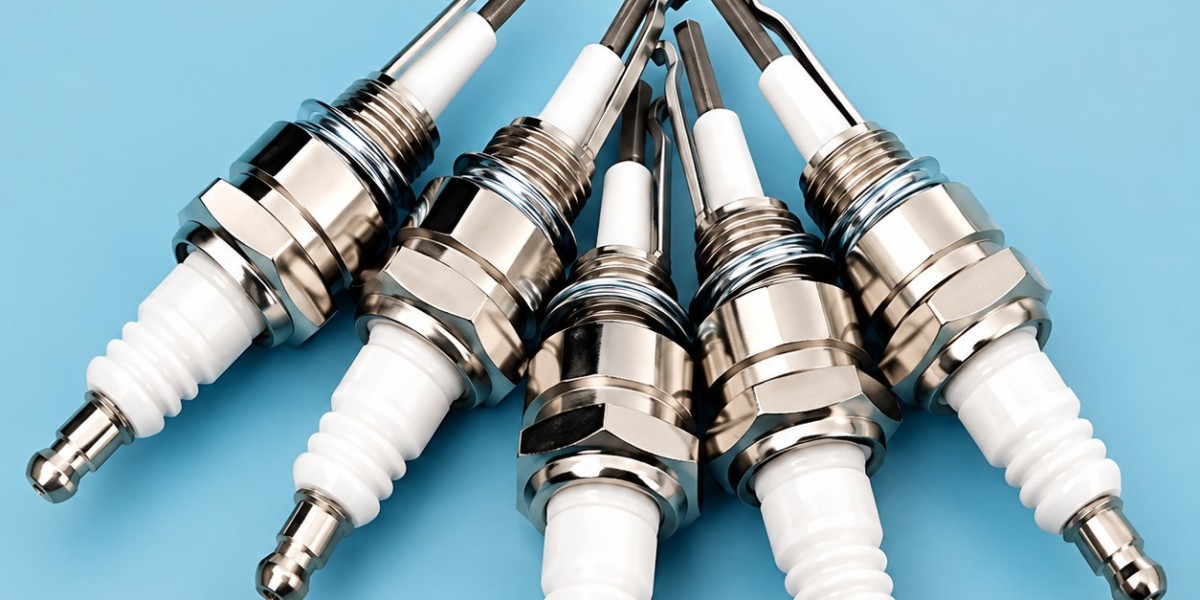

An alumina plug is a ceramic component made primarily from alumina, also known as aluminum oxide, and is designed for applications where resistance to heat, chemicals, wear, and electrical conduction is important. Alumina ceramics are widely used in industrial equipment because they combine hardness, chemical stability, electrical insulation, and strong performance in demanding environments. Depending on its shape and design, an alumina plug can be used for sealing, insulation, protection, furnace applications, fluid control equipment, laboratory systems, and specialized industrial assemblies. Understanding the material, purpose, advantages, and selection requirements of an alumina plug can help users choose a suitable component for their specific application.
What is an alumina plug?
An alumina plug is a solid or specially shaped ceramic component manufactured from alumina ceramic and designed to close, seal, insulate, protect, or support an opening or component within equipment. Alumina is valued for its high hardness, corrosion resistance, thermal stability, and electrical insulating properties, which make it suitable for environments where ordinary plastic or metal components may not perform adequately. The exact shape of an alumina plug depends on its intended application and may include simple cylindrical designs, specialized sealing shapes, furnace plugs, electrode holders, or precision components used with pumps and valves.
What is alumina ceramic?
Alumina ceramic is an advanced ceramic material based on aluminum oxide and is widely used for technical and industrial components. It is known for high hardness, good wear resistance, chemical stability, electrical insulation, and resistance to elevated temperatures. These characteristics allow alumina components to operate in demanding environments involving heat, corrosive chemicals, abrasion, and electrical isolation. The performance of an alumina component depends on factors such as material purity, manufacturing method, density, surface finish, geometry, and operating conditions, so the appropriate grade should be selected according to the requirements of the application.
How Does an Alumina Plug Work?
The function of an alumina plug depends on where it is installed and what the equipment requires. In a furnace or high-temperature system, an alumina plug can help close an opening, manage heat, reduce unwanted gas movement, or support a controlled processing environment. In laboratory equipment, it may help seal or cover an opening while maintaining electrical and thermal insulation. In pumps and valves, specially manufactured alumina plugs can provide wear-resistant and corrosion-resistant contact with fluids. This versatility comes from the combination of alumina's mechanical, thermal, chemical, and electrical properties.
Main Properties of an Alumina Plug
The main properties of an alumina plug come from the characteristics of alumina ceramic itself. Alumina offers high hardness, good resistance to wear and corrosion, electrical insulation, dimensional stability, and useful performance at elevated temperatures. These properties make alumina suitable for applications where a component must remain stable while exposed to heat, chemicals, or abrasive conditions. Its low electrical conductivity can also make it useful when the plug needs to provide insulation around electrodes, wires, sensors, or other electrically active components.
Alumina Plug for High Temperature Applications
High-temperature performance is one of the major reasons alumina plugs are used in industrial and laboratory equipment. Alumina ceramic can maintain useful mechanical and insulating properties in environments where many conventional materials would soften, degrade, or lose their shape. Furnace systems may use ceramic plugs to help control the heated region and reduce unwanted thermal gradients. Properly designed insulation plugs can also help create a more stable thermal environment and reduce stress associated with large temperature differences in furnace tubes.
Alumina Plug in Furnace Systems
Alumina plugs are commonly relevant to furnace systems because ceramic materials can tolerate demanding thermal environments. In tube furnaces, an insulating ceramic plug can help control the movement of heat and air around the heated region while supporting a more uniform thermal environment. This can be important for processes that require consistent heating conditions. The design of the plug should match the furnace tube, temperature conditions, atmosphere, and intended process because an unsuitable component can affect heat distribution or create unnecessary mechanical stress.
Alumina Plug for Laboratory Equipment
Laboratory equipment often requires components that can withstand heat while remaining chemically stable and electrically insulating. An alumina plug can be useful in experimental setups involving furnaces, reaction chambers, electrochemical cells, sample holders, and other specialized equipment. Alumina components can also be machined or manufactured into customized shapes for laboratory systems where standard components do not provide the required fit. The specific material grade and design should be selected according to the chemicals, temperature, pressure, and mechanical conditions involved in the experiment.
Alumina Plug for Electrical Insulation
Electrical insulation is another important application of alumina ceramic plugs. Because alumina is an electrically insulating ceramic, it can help separate conductive components from surrounding structures. This property is useful in high-temperature electrical systems, sensors, laboratory equipment, semiconductor equipment, and other applications where electrical isolation is required. Alumina components are used in various electronic and electrical applications because they combine insulation with thermal and chemical stability, allowing them to operate in environments where polymer-based insulating materials may not be suitable.
Alumina Plug in Electrochemical Equipment
An alumina plug can also be incorporated into specialized electrochemical equipment where electrical insulation and resistance to chemical and thermal conditions are required. In laboratory electrochemical systems, customized alumina plugs may hold electrodes, thermocouples, wires, or other components while helping maintain separation from the surrounding equipment. Alumina can be particularly useful in high-temperature experiments because it provides insulation without relying on materials that may soften or degrade under heat. The exact design must match the experimental cell, electrode arrangement, atmosphere, and chemical environment.
Alumina Plug for Chemical Applications
Chemical processing environments can expose components to aggressive liquids, gases, and reactive substances. Alumina ceramic is valued for its chemical stability and resistance to many corrosive environments, making alumina plugs useful in selected chemical applications. Ceramic components are used in chemical equipment, pumps, valves, and protective systems where resistance to corrosion and wear is important. However, chemical resistance is not identical in every environment, so the compatibility of the alumina material should be evaluated against the actual chemicals and operating conditions before use.
Alumina Plug in Pumps and Valves
Precision alumina plugs can be used in pump and valve systems where wear resistance, corrosion resistance, and dimensional stability are important. Ceramic plug and sleeve components are used in fluid-control equipment, metering pumps, chemical pumps, valve assemblies, and other precision machinery. The hardness of alumina can help resist surface wear, while its chemical resistance can make it useful where certain metal components may corrode or degrade. Surface finishing and dimensional accuracy are particularly important when an alumina plug must move, seal, or fit closely with another component.
Benefits of Using an Alumina Plug
The benefits of an alumina plug include high hardness, good wear resistance, chemical stability, electrical insulation, thermal stability, and useful dimensional stability. These properties allow alumina plugs to perform in demanding environments involving heat, corrosive materials, abrasion, and electrical requirements. Another benefit is the ability to manufacture alumina into customized shapes and precision components. This allows designers to develop plugs that fit specific equipment rather than relying only on general-purpose components.
Alumina Plug and Wear Resistance
Wear resistance is an important advantage of alumina ceramic because the material has high hardness and can withstand many abrasive operating conditions. In applications involving sliding contact, fluid movement, or repeated mechanical interaction, an alumina plug may provide longer-lasting performance than less wear-resistant materials. This makes alumina useful in certain pump, valve, machinery, and precision equipment applications. Proper surface finishing and correct mechanical design remain important because ceramic materials are hard but can be brittle under unsuitable loading conditions.
Alumina Plug and Chemical Resistance
Chemical resistance allows alumina plugs to be considered for applications where components come into contact with fluids or gases that could attack conventional materials. Alumina ceramics are used in chemical equipment and corrosion-resistant components because of their stability in many demanding environments. However, the actual performance depends on the chemical composition, temperature, concentration, exposure time, and material grade. Therefore, users should evaluate the complete operating environment instead of assuming that an alumina plug is resistant to every chemical substance.
Choosing the Right Alumina Plug
Choosing the right alumina plug requires careful consideration of the application and operating environment. Important factors include the required dimensions, alumina purity, temperature, chemical exposure, mechanical loading, sealing requirements, surface finish, electrical insulation needs, and compatibility with surrounding components. A furnace plug may require different characteristics from a precision valve plug or an electrical insulation component. Custom manufacturing can be useful when standard shapes do not provide the required fit or performance.
Alumina Purity and Plug Performance
Alumina purity can influence the performance of an alumina plug because different ceramic compositions can offer different combinations of mechanical, thermal, electrical, and chemical properties. Higher-purity alumina is often selected for applications that require strong chemical stability, electrical insulation, or demanding thermal performance, while other alumina compositions may be suitable for general industrial applications. The appropriate material should therefore be selected according to the actual operating environment rather than choosing a grade based only on purity.
Manufacturing of Alumina Plugs
Alumina plugs are manufactured through ceramic processing methods that can include forming, pressing, sintering, machining, grinding, honing, and polishing depending on the required design. Ceramic manufacturing allows components to be produced in standard or customized shapes, while precision machining can improve dimensional accuracy and surface quality for applications involving close fits or sealing. Advanced ceramic processing is also used to create specialized alumina components for industrial, electronic, laboratory, and high-temperature equipment.
Maintenance of an Alumina Plug
Maintenance requirements depend on the application and the design of the alumina plug. Ceramic components should be inspected for cracks, chips, surface damage, contamination, or changes in fit when they are used in demanding environments. Although alumina has strong resistance to wear and chemicals, it remains a ceramic material and can be damaged by impact, excessive mechanical stress, or unsuitable installation. Keeping the component clean and handling it carefully can help maintain its condition and reduce the possibility of unexpected failure.
Limitations of Alumina Plugs
Despite their many advantages, alumina plugs are not suitable for every application. Alumina is hard and wear resistant but can be brittle compared with some metals and engineered polymers. Sudden impact, excessive mechanical loading, improper installation, or severe thermal shock can cause cracking or breakage. The plug must therefore be designed and installed according to the actual operating conditions. Understanding both the advantages and limitations of alumina helps users choose a component that provides reliable long-term performance.
Frequently Asked Questions About Alumina Plug
What is an alumina plug used for?
An alumina plug is used to close, seal, insulate, protect, or support openings and components in applications where resistance to heat, chemicals, wear, or electrical conduction is important. Its exact function depends on the equipment and design.
Why is alumina used for plugs?
Alumina is used because it provides high hardness, good wear resistance, chemical stability, electrical insulation, and strong performance at elevated temperatures. These properties make it useful for demanding industrial and laboratory applications.
Can an alumina plug be used in a furnace?
Yes, an alumina plug can be designed for furnace applications where thermal stability and insulation are required. Furnace plugs can help control the heated region and support a more stable thermal environment. The plug must be compatible with the furnace temperature and operating atmosphere.
Is an alumina plug electrically insulating?
Alumina ceramic is generally an excellent electrical insulator, which makes alumina plugs useful for applications where electrical isolation is required. The exact electrical performance depends on the material grade, temperature, moisture, and design of the component.
Can alumina plugs be customized?
Yes, alumina ceramic plugs can be manufactured in customized shapes and dimensions for specialized applications. Precision grinding, polishing, and other finishing processes can be used when close dimensional tolerances or specific surface characteristics are required.
Are alumina plugs resistant to chemicals?
Alumina provides good chemical resistance and is used in various chemical and fluid-control applications. However, resistance depends on the specific chemical, concentration, temperature, exposure conditions, and alumina composition, so compatibility should always be evaluated before use.
Can an alumina plug be used in pumps and valves?
Specialized alumina plugs can be used in pump and valve assemblies where wear resistance, chemical stability, and dimensional accuracy are required. Their suitability depends on the design and operating conditions of the equipment.
What can damage an alumina plug?
Impact, excessive mechanical stress, improper installation, severe thermal shock, and unsuitable operating conditions can damage an alumina plug. Although alumina is hard and durable, it is still a ceramic material and should be handled carefully.
Conclusion
An alumina plug is a versatile technical ceramic component that can provide valuable performance in high-temperature, chemically demanding, electrically insulating, and wear-intensive applications. Its combination of hardness, thermal stability, chemical resistance, electrical insulation, and dimensional stability makes it useful across laboratory equipment, furnaces, pumps, valves, electrochemical systems, chemical processing equipment, and precision machinery. The correct alumina plug should be selected according to the actual application, including temperature, chemical exposure, mechanical stress, dimensions, sealing requirements, and electrical needs. With suitable material selection, careful installation, and proper handling, an alumina plug can provide dependable performance in demanding environments.