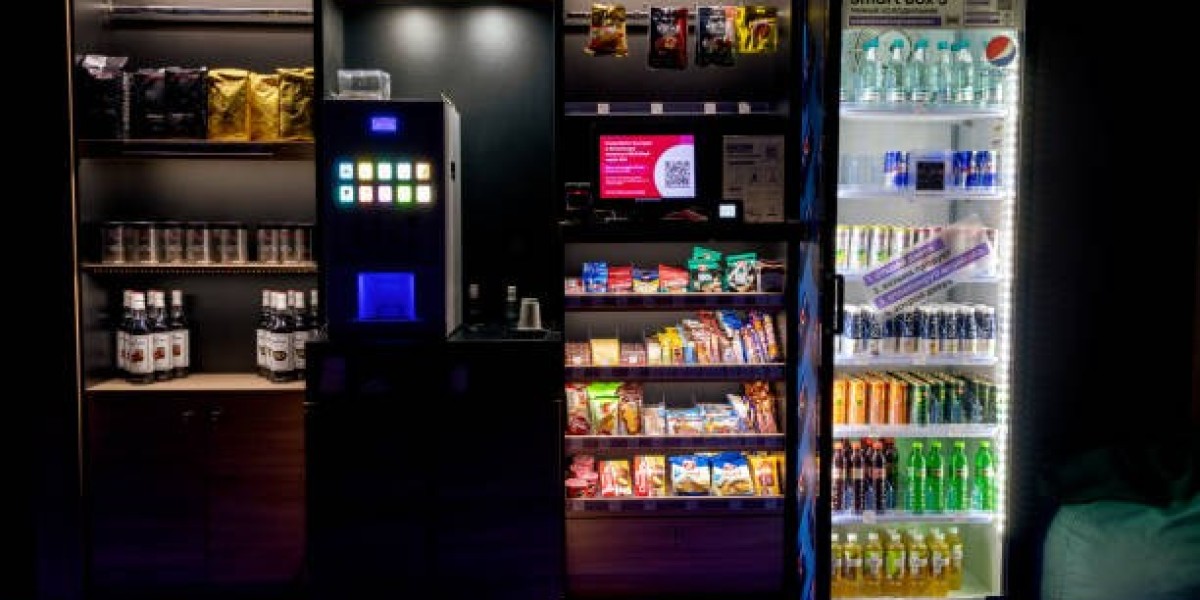

Smart vending machines are becoming an important part of automated retail across Asia-Pacific as consumers look for quick, convenient, and cashless purchasing options. These machines use digital displays, connected payment systems, product sensors, inventory tracking, and remote monitoring tools to support self-service sales. They are used for snacks, beverages, ready meals, personal care items, electronics accessories, medicines, and workplace convenience products.
A recent study by MarkNtel Advisors highlights that the Asia-Pacific smart vending machine sector was valued at USD 6.5 billion in 2025. It is projected to grow from USD 8.1 billion in 2026 to USD 16.2 billion by 2032, registering a CAGR of 12.25% during 2026–2032. This growth reflects cashless payments, urban retail demand, workplace automation, digital product access, and wider adoption of connected self-service systems.
Cashless Payments Improve Convenience
Cashless payments are one of the strongest reasons smart vending machines are gaining acceptance. Consumers increasingly expect vending machines to support cards, mobile wallets, QR codes, and other digital payment options. This makes purchases quicker and reduces the need for exact cash or coin handling. Singapore’s IMDA Hawkers Go Digital programme shows how QR-based e-payment adoption is being encouraged in everyday retail settings.
For vending operators, digital payments can improve sales tracking, reduce cash collection work, and support clearer transaction records. Cashless systems also make vending more suitable for airports, malls, offices, schools, hospitals, metro stations, and residential communities. When payment options are simple and trusted, consumers are more likely to use automated retail machines for small, frequent purchases.
Urban Lifestyles Support Automated Retail
Asia-Pacific cities have dense populations, long commutes, busy workplaces, and strong demand for quick-access retail. Smart vending machines fit these environments because they can operate in compact spaces and provide products without full store staffing. They are useful in transit stations, universities, corporate buildings, factories, hotels, apartment complexes, gyms, hospitals, and entertainment venues.
Automated retail also supports after-hours access. Consumers can buy food, beverages, and essential items when nearby stores are closed or crowded. This makes vending useful in locations where speed, availability, and convenience matter more than browsing. As urban routines become faster and more digitally managed, vending machines are becoming part of everyday retail infrastructure.
Connected Machines Improve Operations
Smart vending machines are different from traditional vending units because they can collect and transmit operational data. Operators can monitor stock levels, temperature, sales trends, payment status, technical faults, and product movement remotely. This helps reduce machine downtime and improves replenishment planning. It also allows companies to identify high-performing locations and adjust product mixes more effectively.
Remote monitoring is especially useful across large geography and high-traffic networks. Instead of checking every machine manually, operators can prioritize routes based on real-time stock and maintenance needs. This improves efficiency for vending companies serving offices, public spaces, transport hubs, and retail environments across multiple cities.
Product Information Builds Trust
Smart vending is also linked with better product information. Digital screens and QR-based labels can show ingredients, prices, allergens, expiry details, promotions, and usage instructions depending on product category. GS1 explains that QR codes powered by GS1 can connect consumers to product information and support retail use cases through digital links.
This matters because consumers may hesitate to buy from machines if product details are unclear. Better display information can support food safety, nutrition awareness, and purchasing confidence. For packaged goods, smart vending can also improve stock rotation by helping operators track expiry dates and product availability more systematically.
Retailers Explore New Formats
Smart vending machines allow brands and retailers to sell products in locations where full stores may not be practical. Beauty brands, electronics sellers, beverage companies, food producers, and healthcare product suppliers can use automated machines to reach customers in targeted locations. Machines can also support sampling, promotional campaigns, loyalty programs, and limited-time product launches.
The future of Asia-Pacific smart vending machines will depend on payment reliability, product freshness, machine maintenance, consumer trust, location quality, and operating cost. Demand is likely to remain supported by urban convenience needs, digital payment habits, and retail automation. As self-service formats expand, smart vending machines will continue supporting fast, flexible, and connected retail access across Asia-Pacific.










