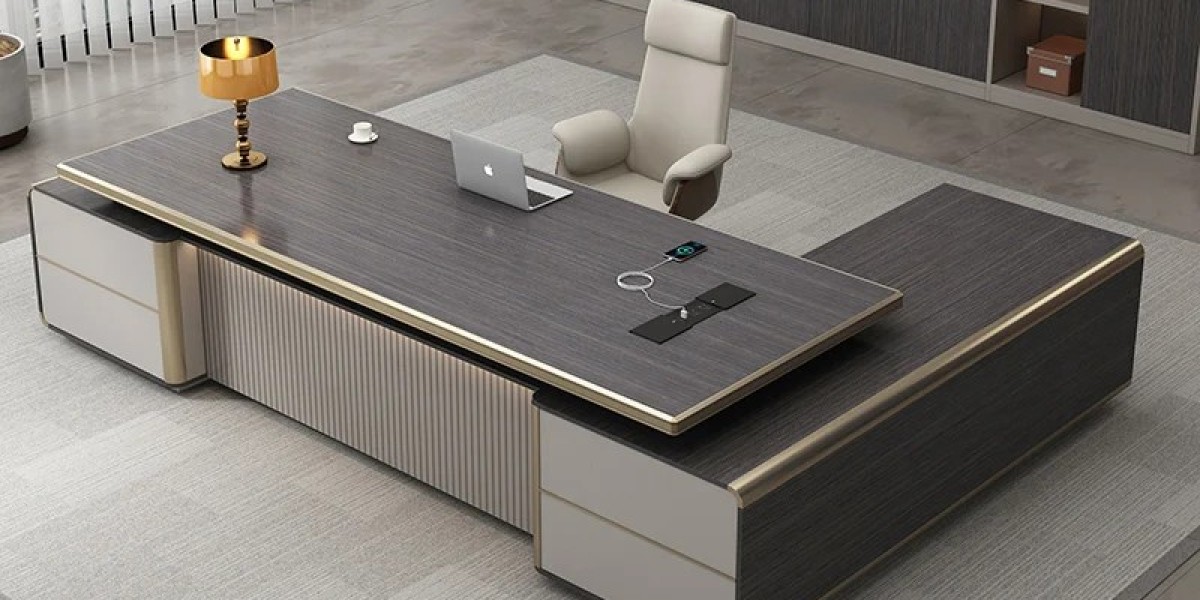

A successful office needs more than attractive decoration. It needs a practical environment where employees can concentrate, communicate, organize their work, and move comfortably throughout the day. Office Furniture plays an important role in creating that environment because desks, chairs, cabinets, workstations, tables, and reception units influence both the appearance and daily function of a workplace. When furniture is selected according to the size of the office and the needs of its users, businesses can create a space that feels organized without becoming crowded. Good planning also makes it easier to accommodate technology, storage, meetings, teamwork, and future changes.
Plan the Workspace Before Buying Furniture
Furniture selection should begin with an understanding of how the workplace will be used. Instead of choosing individual pieces first, businesses can evaluate the complete office layout. Consider how many employees need dedicated workstations, how often meetings take place, how much storage is required, and whether visitors regularly enter the workplace.
Room measurements are equally important. The location of doors, windows, electrical outlets, columns, and existing fixtures can affect where furniture can be placed. Creating a basic floor plan before purchasing items can help identify suitable locations for desks, cabinets, meeting tables, and seating.
Businesses should also think about movement. Employees need clear pathways between workstations, storage areas, meeting rooms, and common facilities. A well-planned arrangement can make the workplace easier to navigate while giving each employee enough personal working space.
Choose Work Desks According to Daily Tasks
Every employee does not necessarily need the same type of desk. Administrative workers may need a straightforward workstation for computers and documents, while managers may require larger surfaces for meetings, paperwork, and equipment. Employees working with multiple monitors may also need additional desk depth and width.
L-shaped desks can be useful in corner spaces because they provide two connected working surfaces. Straight desks are often easier to arrange in rows or groups. Modular desk systems can provide additional flexibility because their configuration can be changed when teams grow or departments move.
Cable management should also be part of the planning process. Computers, monitors, phones, chargers, and other equipment can create a large number of cables. Desks with suitable cable-routing solutions can help keep these connections organized and reduce visual clutter.
Make Seating a Workplace Priority
A chair is used repeatedly throughout the working day, so comfort and adjustability deserve careful consideration. Employees have different heights, body proportions, and working habits, which makes adjustable seating particularly useful.
Features such as seat-height adjustment, back support, armrests, and stable casters can make everyday workstation use more convenient. The chair should also work well with the selected desk. An appropriate relationship between seat height and desk height allows employees to position their computer and work materials more comfortably.
Different parts of an office may require different seating styles. Task chairs can serve individual workstations, visitor chairs can be placed in reception areas, and conference chairs can be selected for meeting rooms. Executive offices may use larger chairs that complement the style of the room.
Create Better Employee Workstations
Workstations should reflect the way employees interact with one another. Teams that frequently communicate may benefit from grouped desks, while employees handling confidential information may need greater separation.
Partitions can create a sense of individual space without completely closing off the workplace. They may also provide convenient locations for screens, documents, or accessories depending on the workstation system.
The amount of space around each workstation matters as well. Employees should have enough room to pull out their chairs, stand up, access storage, and walk between desks. Packing too many workstations into a small room can make the environment uncomfortable even when every employee technically has a desk.
Use Storage to Control Workplace Clutter
An organized office requires a sensible storage strategy. Documents, stationery, technology accessories, files, and personal items can quickly accumulate when there are no dedicated storage areas.
Pedestals can provide convenient storage next to individual desks. Filing cabinets can support document organization, while cupboards and shelving can hold shared office materials. Lockable storage can be considered for documents or equipment that require controlled access.
Storage should be planned according to actual requirements. Businesses should assess how many physical documents they retain and what supplies need to be stored before purchasing large cabinets. This approach helps prevent valuable floor space from being occupied by storage that is rarely used.
Design Meeting Spaces for Different Purposes
Meeting areas need to accommodate more than a table and several chairs. The furniture should support the type of communication that normally takes place in the room.
A formal conference room may require a larger table and comfortable chairs for extended discussions. A smaller team area may work better with a compact table that allows quick meetings. Flexible tables can also be useful when the same room needs to support training, presentations, teamwork, and individual activities.
Technology should be considered during planning. Screens, laptops, video-conferencing equipment, power outlets, and charging points can influence table placement. Keeping technology access convenient can help meetings run more smoothly.
Give Reception Areas a Professional Appearance
Reception is an important part of the workplace because visitors often see it before any other area. The reception desk should provide enough working space for staff while leaving sufficient room for visitors to move around.
Seating should be comfortable without making the entrance feel congested. A small side table or suitable storage unit can help keep magazines, documents, and other items organized.
Furniture finishes can be coordinated with company colors and the wider interior design. A consistent appearance between reception furniture, office desks, storage units, and meeting areas can make the workplace feel more cohesive.
Select Materials for Durability
The materials used in furniture affect its appearance, maintenance needs, and expected service life. Wood-based finishes can provide a warm and familiar office atmosphere, while metal elements can give furniture a contemporary appearance. Laminated surfaces can be practical for many workplaces because they are available in a broad range of finishes.
High-use areas need furniture that can withstand regular activity. Workstations used throughout the week may experience more wear than furniture in a rarely used meeting room. Businesses should therefore consider construction quality as well as appearance.
Maintenance requirements should also be reviewed before purchasing. Furniture that is simple to clean can be particularly useful in busy offices where desks and shared surfaces are used frequently.
Make Small Offices Feel More Practical
Limited space does not prevent a business from creating a useful workplace. The key is to select furniture according to the available area rather than trying to fit oversized pieces into a compact room.
Corner desks can make use of otherwise unused areas. Mobile storage can be moved when required, and wall-mounted shelving can provide additional storage without taking up significant floor space. Folding or movable tables can support multiple activities in rooms that have limited space.
The arrangement should leave clear pathways and avoid blocking windows or doors. Keeping the central floor area open where possible can also make a small office feel less restricted.
Think About Flexible and Growing Workplaces
Businesses can change considerably over time. New employees may join, departments may expand, and working arrangements may change. Furniture that can adapt to these developments can make future office planning easier.
Modular workstations are one option for businesses that expect their teams to change. Movable partitions can allow rooms to be divided differently, while mobile pedestals can move with employees when seating arrangements change.
A flexible furniture plan can also help businesses avoid replacing every item when the workplace layout needs to be updated. Compatible furniture systems may allow additional desks, storage units, or seating to be introduced later.
Coordinate Furniture With Office Design
Furniture should work with the rest of the interior rather than appearing as a collection of unrelated items. Consider the relationship between desks, flooring, walls, lighting, doors, and decorative elements.
Using complementary finishes can create visual consistency. This does not mean every item must look identical. Different furniture styles can work together when their materials, proportions, or finishes have a clear relationship.
Lighting is also important. Desks should be positioned where employees can work comfortably without excessive glare on computer screens. Meeting and reception areas may require different lighting arrangements depending on their purpose.
Consider Technology When Planning Furniture
Modern workplaces rely heavily on computers, displays, phones, printers, charging equipment, and communication systems. Furniture should therefore support technology rather than make it difficult to use.
Desks can include cable-management features, while meeting tables can provide access to power and connectivity. Storage furniture can also help organize technology accessories and equipment when they are not in use.
Planning technology alongside furniture can create a cleaner appearance and reduce the need for cables to cross walkways. It can also make future equipment changes easier to manage.
Maintain Furniture for Long-Term Performance
Regular care can help office furniture remain functional and attractive. Surfaces should be cleaned according to the appropriate material requirements, while chairs should be inspected for damaged wheels, loose components, or adjustment problems.
Cabinets and drawers should not be overloaded. Heavy items should be stored in suitable locations, and furniture should be moved carefully when the office layout changes.
Employees can also help maintain the workplace by keeping desks organized and using furniture correctly. Simple habits can reduce unnecessary wear and keep shared spaces presentable.
Create a Practical Furniture Budget
A furniture budget should consider more than the initial purchase price. Businesses can evaluate durability, maintenance, usability, warranty coverage, replacement requirements, and the expected frequency of use.
Essential furniture should receive priority. Workstations, task chairs, storage, and meeting facilities may have a greater effect on daily operations than purely decorative pieces. Once functional requirements are covered, businesses can add design elements that strengthen the appearance of the workplace.
Comparing specifications and measurements before purchasing can also reduce the risk of unsuitable products. A clear plan makes it easier to control spending while ensuring that important workplace requirements are covered.
Conclusion
Creating a successful workplace requires furniture that fits the people, the space, and the way the business operates. From practical desks and supportive seating to storage systems, meeting tables, reception furniture, and adaptable workstations, each element should contribute to an organized and usable environment. Careful measurements, suitable materials, thoughtful layouts, and future planning can help businesses build offices that remain functional as their needs change. When researching suitable workplace solutions, Cebu office furniture den can also be considered as part of the furniture planning process.