
Introduction
Today's pangram is the word every Spelling Bee player hunts for first, and if you're stuck staring at that honeycomb grid wondering which combination of letters unlocks the bonus points, you're in the right place.
A pangram isn't just another entry on the list — it's the single word that uses all seven letters, and finding it early usually makes the rest of the puzzle click into place. Let's walk through today's answer, what makes it special, and how pangrams work in general so you're never left guessing again.
What Is a Pangram in the NYT Spelling Bee?
Before jumping to the answer, it helps to actually understand what you're looking for. A lot of players know the term but couldn't explain it if you asked them directly, and that gap is exactly why so many people miss the pangram even when it's sitting right in front of them on the board.
A pangram is any word in the puzzle that contains every single one of the day's seven letters at least once. It doesn't matter how many times a letter repeats inside the word — what counts is that all seven letters show up somewhere. Because of that requirement, a pangram earns its regular point value plus a seven-point bonus, which makes it the most valuable single word you can find.
Most days the puzzle hides just one, though occasionally you'll get two, and on rarer occasions a perfect pangram appears — a word that uses each of the seven letters exactly once, with nothing repeated. Those are the ones solvers tend to remember.
Today's Pangram Answer
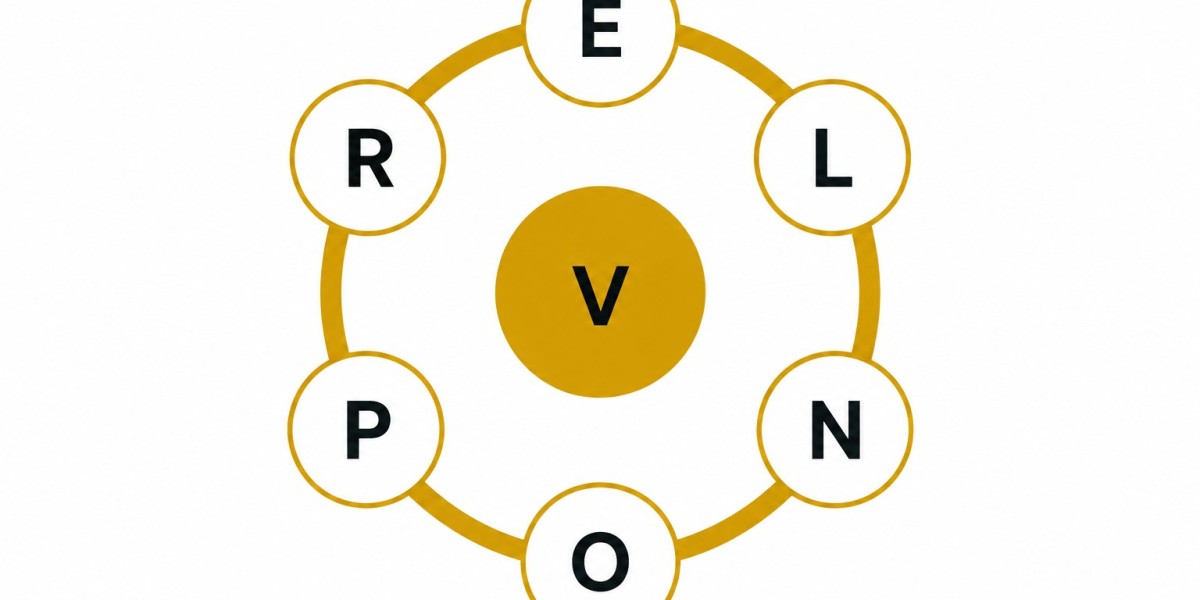
Here's the part you came for. For Monday, September 21, today's letter set is ABEJLYN, and the pangram hiding inside those seven letters is JELLYBEAN.
It's a nine-letter word, which puts it comfortably in the range where most pangrams tend to fall — usually somewhere between seven and twelve letters. Since it repeats both the "e" and the "l," it doesn't count as a perfect pangram, but it still earns the same seven-point bonus as any other pangram would. If you'd been staring at the grid trying combinations without luck, that's a pretty common experience — pangrams are often longer, less obvious words that don't jump out right away, especially when the letters can be rearranged so many different ways.
Knowing the word itself is useful, but it also helps to have the definition on hand in case you want to double check the spelling or just satisfy your curiosity. A jellybean, according to Merriam-Webster, is a small bean-shaped candy with a firm sugar shell and a soft, chewy center — the kind you'd find piled up around Easter or in a candy dish at someone's desk.
How Many Pangrams Show Up on a Given Day?
This varies more than people expect. Some days the puzzle is generous and hides two or even three pangrams among the same set of seven letters, though that's the exception rather than the rule. Most of the time you're working with just one, so once you spot it, you can stop second-guessing yourself and move on to filling out the rest of the word list.
If today's puzzle happens to be a two-pangram day, both words will use all seven letters, but they won't necessarily share the same length or difficulty. One might be a common, everyday word while the other is more obscure. Checking whether a puzzle contains a perfect pangram is also worth doing, since those no-repeat words tend to stick in memory longer than the rest of the list combined.
Why Finding the Pangram Early Actually Matters
There's a strategic reason experienced players hunt for the pangram before anything else. Once you've identified it, you already know all seven letters are accounted for in at least one valid word, which can jog your memory for other combinations you hadn't considered. It's a bit like solving the hardest clue in a crossword first — everything downstream gets easier once that anchor piece is in place.
Beyond strategy, there's also just the satisfaction of it. Anyone who plays daily knows that finding the pangram feels different from finding a regular four-letter word. It's the one moment in the puzzle where the reward matches the effort.
FAQs
Does the order of letters in a pangram matter?
No. A word only needs to contain each of the seven letters somewhere within it — the arrangement doesn't matter, and repeated letters are completely fine unless you're specifically looking for a perfect pangram.
Can a puzzle have zero pangrams?
Virtually never. The NYT Spelling Bee is built around having at least one pangram every single day, since it's part of what makes the puzzle solvable and satisfying.
Is a perfect pangram worth more points than a regular one?
No, the bonus is the same seven points either way. The "perfect" label just refers to a word using each letter exactly once, not extra scoring value.
Where can I check yesterday's pangram if I missed it?
Most solving sites keep an archive specifically for that, so you can look back without having to search through old puzzles yourself.
Conclusion
Pangrams are what separate a good Spelling Bee score from a great one, and once you understand what to look for, they stop feeling like a stroke of luck and start feeling like something you can actually train yourself to spot. Today's word, JELLYBEAN, is a solid reminder that pangrams aren't always exotic vocabulary — sometimes they're everyday words hiding behind an unfamiliar letter arrangement.
Keep an eye on the letter set each morning, and you'll find that spotting the pangram gets faster the more you practice. For the complete word list and daily hints, Today Spelling Bee Answers updates its pages early each morning.