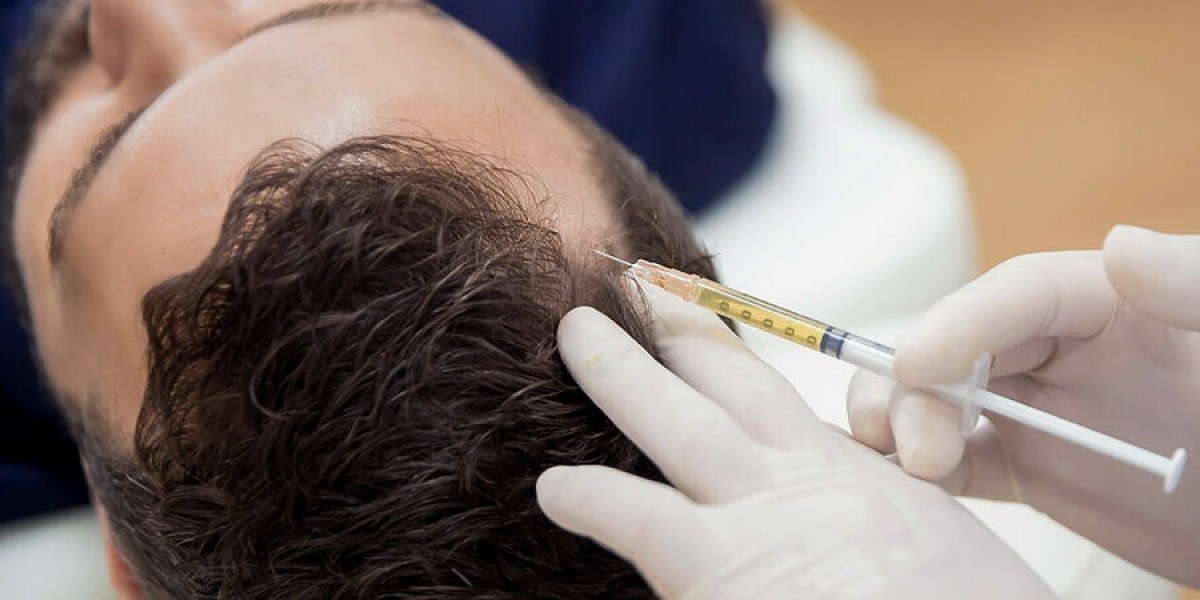

Existing hair density is one of the important factors considered when planning a hair restoration procedure. It influences how many grafts may be needed, where they should be placed, and how the transplanted follicles can blend with the patient’s natural growth. Rather than treating every thinning area in the same way, a detailed assessment helps create a more balanced and realistic treatment plan.
For patients considering DHI Direct Hair Implant in Dubai, evaluating current density is particularly relevant because the procedure involves placing carefully selected follicular units into recipient areas with controlled positioning. The objective is not simply to add more follicles but to create an appearance that complements the hair that is already present.
Density can vary considerably between the frontal region, temples, mid-scalp, and crown. Some patients may have significant thinning but still retain considerable native growth, while others may have more advanced loss with larger areas requiring coverage. These differences affect graft planning and the distribution of available donor follicles.
A proper consultation therefore looks beyond visible bald spots. Hair calibre, follicular characteristics, donor availability, scalp condition, hairline design, and the expected progression of genetic hair loss can all influence the approach. Understanding these factors before treatment can help patients develop realistic expectations about coverage, density, and long-term appearance.
Why Existing Density Matters During Hair Restoration Planning
The amount of existing hair in a recipient area helps determine how transplantation should be approached. When native follicles are still present, transplanted grafts generally need to be positioned around them rather than simply filling the area uniformly.
A densely populated region may require fewer additional grafts to create a visible improvement. In contrast, an area with substantial depletion may require greater coverage. However, the availability of donor follicles remains a limiting factor, meaning that every graft should be used strategically.
Existing density also affects the visual transition between transplanted and native hair. If graft placement is planned without considering the surrounding growth pattern, the result may appear less integrated. Careful attention to direction, angle, spacing, and hairline characteristics can help produce a more natural-looking distribution.
Assessing Native Hair Before DHI Treatment
A consultation normally begins with an assessment of the scalp and existing growth pattern. This may involve visual examination, magnification, photographs, and evaluation of the donor region.
The specialist may examine:
- Density across different scalp zones
- Thickness and calibre of individual hairs
- Miniaturized follicles
- Hairline recession
- Temple changes
- Mid-scalp and crown thinning
- Donor-area density
- Scalp characteristics
- Pattern and progression of hair loss
This assessment helps distinguish between areas where transplantation may provide meaningful additional coverage and regions where existing follicles may still require preservation.
For patients experiencing progressive thinning, the treatment plan may also consider future changes. Restoring only the visibly depleted region without considering continued native hair loss can create an uneven appearance later. Long-term planning is therefore an important component of responsible hair restoration.
How Density Influences Graft Distribution
Graft distribution is not necessarily uniform across the scalp. Different areas have different aesthetic requirements.
The frontal hairline, for example, often requires careful placement of finer grafts to create a gradual transition from the forehead to denser growth behind it. The mid-scalp may require a different density strategy, while the crown has its own directional and rotational growth pattern.
Existing density provides a reference point for these decisions. If native hair remains relatively strong behind a receding hairline, grafts may be concentrated strategically in the frontal zone. If the mid-scalp is also thinning, the available donor supply may need to be distributed across multiple regions.
This is why a graft count should not be viewed independently from the patient’s existing density. Two individuals with similar areas of recession may require different treatment plans because their native hair characteristics and donor resources differ.
The Role of Hair Calibre in Perceived Density
Visible density is influenced not only by the number of follicles but also by the thickness of the hair shaft. Coarser strands can provide greater visual coverage than very fine strands, even when follicular counts are similar.
During treatment planning, specialists may therefore consider calibre alongside follicular density. Fine native hair can require more careful placement to create adequate visual coverage, whereas thicker strands may provide stronger coverage with fewer additional grafts.
Hair characteristics can also differ between the donor and recipient areas. Matching transplanted follicles appropriately with surrounding native growth can contribute to a more cohesive appearance as the transplanted hair matures.
DHI and Controlled Placement
DHI is associated with direct implantation of prepared follicular units into the recipient area using an implantation device. The technique allows the placement process to be planned around the existing growth pattern.
The positioning of each graft can involve consideration of angle, direction, depth, and distribution. These details become especially important when native follicles remain between areas of thinning.
For someone researching DHI Direct Hair Implant in Dubai, it is useful to understand that the technique itself does not determine the final density. The outcome depends on multiple variables, including donor quality, graft selection, recipient characteristics, placement strategy, healing, and the biological growth of transplanted follicles.
Managing Existing Hair During Treatment
When native hair remains in a thinning area, treatment requires careful planning. The goal is generally to enhance overall density while preserving the existing follicles wherever appropriate.
This can be more technically demanding than treating a completely bald region because grafts need to be positioned among existing hairs. A detailed assessment can help identify suitable spaces and reduce unnecessary disruption to native growth.
Patients should also understand that ongoing genetic hair loss can affect untreated follicles. A transplant does not necessarily prevent future thinning of the patient’s original hair. Depending on the individual case, a specialist may discuss medical management or other measures intended to help preserve existing growth.
How Donor Density Affects the Overall Plan
Recipient density cannot be considered separately from the donor area. The scalp has a finite supply of suitable follicles, and the available donor reserve influences how much coverage can realistically be achieved.
A donor assessment may examine density, hair thickness, follicular characteristics, and the stability of the donor zone. These factors help determine whether sufficient grafts are available for the desired areas.
For patients with extensive thinning and limited donor resources, prioritization may be necessary. The frontal region may receive particular attention because it has a strong influence on overall facial framing, while other areas may be addressed according to the individual’s priorities and available graft supply.
Consultation Factors That Can Improve Treatment Planning
A meaningful consultation should involve more than simply estimating a graft number. Patients can ask how their existing density affects the proposed distribution and which areas are expected to receive priority.
Important discussion points can include:
- Whether native hair is miniaturizing
- How many grafts may be required
- Whether the donor region can support the planned coverage
- How the hairline will be designed
- How existing follicles will be preserved
- Whether future hair loss could affect the result
- What level of density is realistically achievable
- How long visible growth may take
Clear communication at this stage helps align the treatment plan with the patient’s expectations.
What to Look for When Selecting a Hair Restoration Provider
When researching DHI Direct Hair Implant in Dubai, patients should examine the clinical qualifications and experience of the medical team rather than focusing solely on promotional claims.
Experience and Qualifications
The treating professional should have appropriate medical training and relevant experience in hair restoration. Patients can ask who will perform the assessment, extraction, implantation, and follow-up stages.
Technology and Technique
Different techniques may be appropriate for different patterns of hair loss. A provider should be able to explain why a particular approach is being considered and how it relates to the patient’s existing density and donor characteristics.
Safety Standards
A suitable facility should maintain appropriate infection-control procedures, sterile equipment practices, patient monitoring, and medical protocols. Patients should also receive clear information about potential risks and complications.
Consultation Process
A thorough consultation should assess both recipient and donor areas. It should not rely exclusively on a generic graft estimate or a standard treatment package.
Patient Experience
Communication before and after treatment is also important. Patients should understand preparation requirements, recovery expectations, follow-up arrangements, and when growth changes are likely to become noticeable.
Expected Results
Results vary between individuals. Existing density, follicle characteristics, donor supply, age, progression of hair loss, and biological response can all influence the final appearance. A responsible provider should explain these variables rather than promise a specific outcome.
Frequently Asked Questions
Does existing hair density affect the number of grafts needed?
Yes. Patients with substantial native hair may require fewer grafts in certain areas, while more advanced thinning can require broader coverage. Donor availability also influences the final graft plan.
Can DHI be performed when thinning hair is still present?
In suitable candidates, transplantation can be planned around existing native growth. However, the condition of those follicles and the pattern of ongoing hair loss need to be assessed before treatment.
Does higher existing density guarantee a thicker final result?
No. Visible density depends on several factors, including hair calibre, graft characteristics, donor supply, placement strategy, healing, and subsequent follicular growth.
Can existing hair continue to thin after a transplant?
Yes. Transplanted follicles may have different long-term characteristics from the patient’s untreated native hair. Existing genetic hair loss can continue, which is why long-term planning is important.
How is the appropriate density determined?
The desired density is assessed in relation to the patient’s current growth, donor capacity, hair characteristics, recipient area, hairline design, and realistic expectations. A personalized consultation is needed to determine an appropriate approach.
Conclusion
Existing hair density provides an important foundation for planning a personalized hair restoration procedure. It influences graft distribution, recipient-area strategy, hairline design, and the amount of donor tissue that may be required. Considering native growth also helps create a more integrated transition between transplanted and existing follicles.
For individuals exploring DHI Direct Hair Implant, the focus should extend beyond the technique itself. A detailed assessment of donor supply, recipient density, hair calibre, progression of thinning, and long-term objectives can help establish a treatment plan suited to the individual rather than relying on a standardized approach. Realistic expectations and appropriate medical guidance remain central to achieving a natural-looking and sustainable result.