
Hair follicles play a central role in determining hair growth, thickness, and density. When follicles become weaker or produce progressively finer strands, visible thinning may develop. prp in riyadh is a non-surgical approach designed to support existing hair follicles by using platelet-rich plasma prepared from the patient’s own blood. Understanding how the treatment interacts with the scalp can help people develop realistic expectations about its potential benefits.
The process behind PRP Hair Treatment in Riyadh involves collecting a small blood sample, concentrating its platelets, and delivering the prepared plasma into targeted areas of the scalp. Platelets contain growth factors and signaling proteins that may influence the local tissue environment around hair follicles. However, PRP does not create new follicles, and its effectiveness can vary depending on the cause and stage of hair loss.
Understanding the Structure of Hair Follicles
A hair follicle is a small structure within the skin responsible for producing hair. It contains specialized cells that participate in the hair-growth cycle and receive nutrients through surrounding blood vessels.
Each follicle moves through different stages, including an active growth phase, a transition phase, and a resting or shedding phase. Factors such as genetics, hormones, age, health conditions, and environmental influences can affect this cycle.
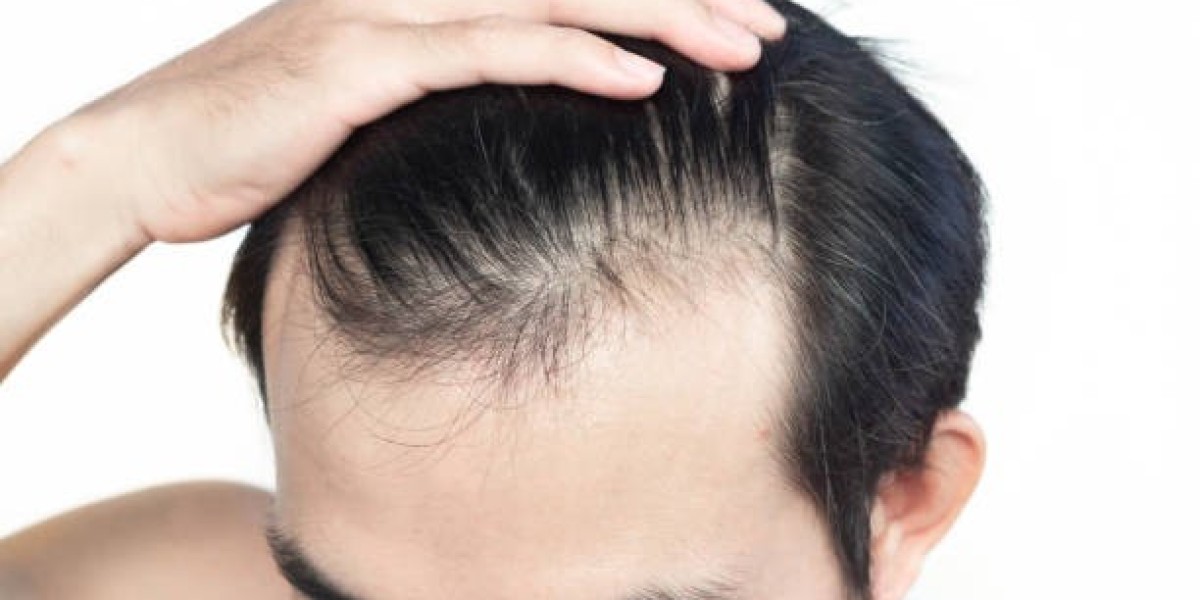
When certain follicles become progressively smaller, they may produce thinner and shorter hairs. This process is commonly associated with pattern hair loss.
What Is Platelet-Rich Plasma?
Platelet-rich plasma, or PRP, is produced from the patient’s own blood. A small blood sample is collected and processed to separate and concentrate the platelets within the plasma.
Platelets contain various growth factors and signaling molecules involved in tissue repair and cellular communication. When PRP is administered to the scalp, these components may influence the local environment surrounding targeted follicles.
The exact biological mechanisms involved in hair growth remain an area of ongoing research, and treatment responses can differ between individuals.
How PRP Reaches Hair Follicles
During treatment, the prepared PRP is administered through a series of targeted scalp injections. The injections are placed in areas where hair thinning or reduced density has been identified.
This approach allows the platelet-rich plasma to be delivered locally rather than relying on systemic circulation. The goal is to expose the targeted scalp tissues to concentrated platelets and their associated signaling components.
The injection technique and treatment areas depend on the individual’s hair-loss pattern and the professional’s treatment protocol.
How Growth Factors May Support Follicular Activity
Growth factors released by platelets can participate in cellular signaling and tissue-repair processes. In the scalp, these signals may influence cells and structures associated with hair follicles.
PRP may potentially support follicular activity, promote a healthier local tissue environment, and contribute to improvements in hair thickness or density for some patients. However, these effects are not guaranteed, and researchers continue to study the precise mechanisms and optimal treatment protocols.
PRP and the Hair Growth Cycle
Hair does not grow continuously at the same rate. Follicles naturally transition between active growth, regression, and resting phases.
Certain types of hair loss can disrupt this cycle and cause increased shedding or progressive miniaturization of follicles. PRP may influence aspects of the follicular environment and potentially support the growth phase in selected patients.
Because hair growth is gradual, any changes following treatment generally take time to become noticeable.
Which Follicles May Respond to PRP?
PRP is generally more relevant when follicles remain present and capable of producing hair. If a follicle has become weakened but remains viable, supporting its surrounding environment may potentially improve the appearance of the resulting hair.
By contrast, PRP cannot reliably recreate follicles that have been permanently destroyed or completely lost. This is why the cause and stage of hair loss are important considerations before treatment.
PRP for Pattern Hair Loss
Pattern hair loss is one of the conditions for which PRP has been studied. It can cause progressive thinning around the hairline, temples, crown, or top of the scalp.
For selected patients, PRP may be incorporated into a broader hair-management plan. A professional evaluation can determine whether the pattern and extent of thinning make PRP an appropriate option.
What Happens After PRP Treatment?
After injections, some patients may experience temporary redness, tenderness, swelling, bruising, or discomfort at the treatment sites. These effects can vary from person to person.
The scalp and follicles then continue their natural processes. Any potential improvement in hair thickness or density develops gradually rather than immediately. Following individualized aftercare instructions can help support an appropriate recovery.
How Treatment Plans Are Personalized
Not every patient has the same hair-loss pattern or follicular condition. A personalized assessment may consider the duration of hair loss, affected areas, scalp health, medical history, medications, and previous treatments.
Based on these factors, a professional can determine whether PRP Hair Treatment in Riyadh may be appropriate and whether other treatment options should also be considered.
Supporting Follicular Health
PRP is only one potential component of a comprehensive approach to hair health. Adequate nutrition, appropriate scalp care, stress management, and treatment of underlying medical or nutritional issues can also be important.
Patients should avoid assuming that every type of hair shedding requires the same treatment. Identifying the underlying cause is essential for developing an appropriate plan.
Understanding Realistic Results
PRP may support existing hair follicles in selected patients, but it does not guarantee complete hair restoration. Results can vary according to follicle condition, the cause and severity of hair loss, treatment protocol, and individual response.
A professional consultation can help establish realistic expectations and determine whether PRP Hair Treatment in Riyadh fits the patient’s specific hair-restoration goals.
Book Your Appointment at Royal Clinic Saudia
If you are experiencing thinning or changes in hair density, a professional scalp assessment can help identify the possible cause and available treatment options. Royal Clinic Saudiacan provide a personalized consultation to discuss your hair concerns and determine an appropriate treatment approach.
FAQs:
How does PRP interact with hair follicles?
PRP delivers concentrated platelets and associated growth factors to targeted scalp areas, which may support the local environment around existing follicles.
Can PRP create completely new hair follicles?
No. PRP is intended to support existing follicles and cannot reliably recreate follicles that have been permanently lost.
Does PRP work for every type of hair loss?
No. Its suitability depends on the underlying cause, follicle condition, and individual circumstances.
Are PRP results immediate?
No. Hair growth occurs gradually, so potential changes in thickness or density generally develop over time.