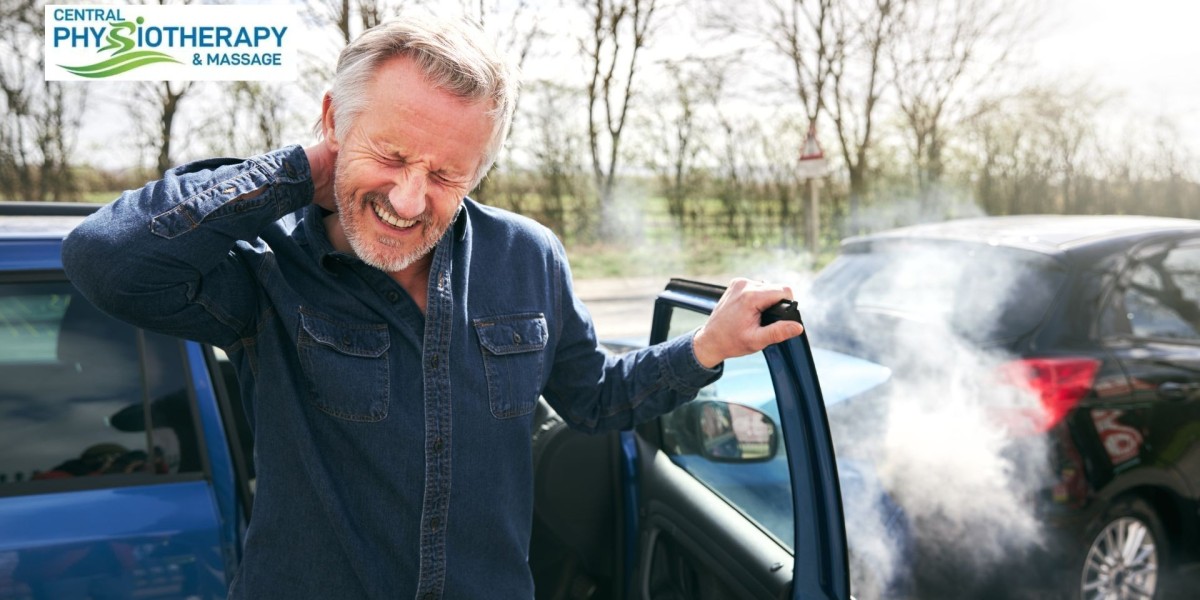

A motor vehicle accident can affect the body in ways that are not always immediately obvious. A collision may place sudden forces on the neck, back, shoulders, hips, muscles, joints, and nervous system. Some people experience pain immediately, while others notice stiffness, headaches, dizziness, or movement limitations hours or days later.
Recovery can involve more than simply waiting for symptoms to disappear. Appropriate assessment and rehabilitation can help identify how the accident has affected movement and function and provide a structured approach to returning to normal activities.
For people searching for motor vehicle accident physiotherapy near me, physiotherapy may be considered when accident-related symptoms affect movement, work, driving, exercise, sleep, or other daily activities. Central Physiotherapy & Massage in Camrose provides assessment-driven care for injuries associated with motor vehicle accidents, including neck and back injuries, whiplash presentations, soft tissue strains, headaches, joint irritation, and balance-related concerns.
One of the first steps in recovery is understanding the injury. A physiotherapy assessment can consider how the accident occurred, where symptoms are located, what movements are difficult, and how the symptoms have changed since the collision. Depending on the presentation, assessment may include range-of-motion testing, neurological screening, posture and movement analysis, balance assessment, and evaluation of muscles and joints.
This assessment can help create a rehabilitation plan based on the individual's symptoms and functional goals. Someone experiencing primarily neck stiffness may require a different approach from someone dealing with lower back pain, dizziness, or several injuries at once.
Whiplash-associated symptoms are among the concerns that can develop after a collision. Sudden acceleration and deceleration can place stress on the neck and surrounding structures. Symptoms may include neck pain, stiffness, reduced range of motion, headaches, and tension around the shoulders or upper back.
Physiotherapy may help address these problems through appropriate movement exercises, manual therapy, education, and gradual strengthening. The treatment approach should be adjusted according to the individual's symptoms and response to activity.
Back pain is another common concern after a motor vehicle accident. Impact forces and protective muscle guarding may contribute to stiffness, discomfort, and difficulty with movements such as bending, lifting, or prolonged sitting. Rehabilitation can focus on restoring comfortable movement and gradually improving strength and tolerance for everyday activities.
Some individuals also experience shoulder discomfort after a collision. Seatbelt pressure, impact forces, muscle tension, or changes in movement may contribute to shoulder and upper-body symptoms. A physiotherapy assessment can help identify movement limitations and guide appropriate treatment.
Headaches can also occur following an accident. They may be associated with neck symptoms, muscular tension, or other factors related to the injury. Persistent or concerning headaches should be assessed appropriately rather than assumed to be a normal part of recovery.
Dizziness and balance problems may require additional assessment. A motor vehicle accident can affect systems involved in balance, and some people may experience motion sensitivity, dizziness, or difficulty with certain movements. Central Physiotherapy & Massage provides vestibular and balance rehabilitation when appropriate for accident-related symptoms.
Concussion-related symptoms can also occur following a collision. These may include headaches, dizziness, fatigue, concentration difficulties, sleep disruption, or sensitivity to movement. When concussion is suspected, appropriate medical assessment is important, while physiotherapy may form part of a broader rehabilitation plan when indicated.
Another important part of recovery is restoring mobility. Pain and protective muscle guarding can cause people to move differently after an accident. They may avoid certain positions, keep the neck or back rigid, or reduce activity because they are concerned about increasing symptoms.
While temporary activity modification may be appropriate, prolonged avoidance of movement can contribute to stiffness and reduced physical capacity. A rehabilitation program can introduce appropriate movement gradually and monitor how the body responds.
Strength recovery is also relevant. Following an accident, people may reduce their normal activity levels. Over time, this can affect muscle strength and endurance. Progressive exercises can help rebuild physical capacity once the injured tissues are ready for increased loading.
The exercises used during rehabilitation depend on the individual's condition. Early exercises may focus on gentle movement and basic control, while later stages may involve strengthening, endurance, balance, lifting, or work-specific activities.
Functional rehabilitation is particularly useful when an injury interferes with everyday tasks. Someone may have difficulty sitting at a desk, driving, carrying groceries, climbing stairs, or completing household responsibilities. Treatment can gradually address the physical demands associated with these activities.
Returning to work may also require a gradual progression. A person with a physically demanding job may need to rebuild tolerance for lifting, carrying, bending, reaching, or prolonged standing. Someone working at a desk may need support with sitting tolerance, posture, and screen-related activities.
Central Physiotherapy & Massage's motor vehicle accident rehabilitation approach includes support for work and daily activities. The clinic also describes ergonomic guidance and occupational therapy as options that may be incorporated when appropriate.
Driving can become another concern after an accident. Physical discomfort, reduced neck movement, dizziness, or anxiety about driving may affect someone's confidence behind the wheel. Rehabilitation can address relevant physical limitations and gradually support a return to normal activities when appropriate.
Recovery also involves managing symptoms while gradually increasing activity. An individual may initially tolerate only short periods of activity before symptoms increase. Rather than pushing through significant discomfort, rehabilitation can use gradual progression based on the person's response.
There is no single recovery timeline for every motor vehicle accident. The type and severity of the injury, previous health, physical demands, symptom duration, and response to treatment can all influence progress.
Some people recover relatively quickly, while others experience persistent symptoms requiring a longer rehabilitation process. Delayed symptoms can also occur, which is why a person should not assume that feeling well immediately after a collision means that no injury has occurred.
Early assessment can be useful when symptoms are present. Central Physiotherapy & Massage notes that accident-related symptoms may appear later and that early assessment can help identify injury patterns and guide recovery.
Treatment may involve more than physiotherapy alone. Depending on the person's symptoms and needs, Central Physiotherapy & Massage offers services including massage therapy, chiropractic care, acupuncture, vestibular and balance training, therapeutic exercise, manual therapy, kinesiology, ergonomic support, and occupational therapy.
This multidisciplinary approach can be useful when a collision affects several aspects of a person's physical function. For example, someone experiencing muscle tension and movement restrictions may benefit from a combination of rehabilitation exercises and hands-on care, while someone with dizziness may require vestibular assessment and balance-focused treatment.
Education is another part of recovery. Understanding why certain symptoms occur and how to manage activity can help individuals participate more effectively in rehabilitation. Home exercises may also be prescribed to support progress between appointments.
It is important to follow the recommendations provided by healthcare professionals and communicate any changes in symptoms. Increasing activity too quickly may aggravate some conditions, while avoiding movement for too long may contribute to reduced physical capacity.
Motor vehicle accident physiotherapy is therefore not simply about treating pain. The broader goal is to restore function and help the individual return to the activities that matter to them. This may include driving, working, exercising, caring for family, completing household tasks, or participating in recreational activities.
If you are searching for MVA physiotherapy Camrose, Central Physiotherapy & Massage provides motor vehicle accident rehabilitation at its Camrose clinic. The clinic is located at 6028 48 Avenue, Camrose, Alberta, and offers physiotherapy services for accident-related injuries.
If you have been involved in a collision and are experiencing pain, stiffness, headaches, dizziness, reduced mobility, or difficulty returning to normal activities, an appropriate assessment can help determine the next step.
Visit Central Physiotherapy & Massage to learn more about motor vehicle accident rehabilitation and available physiotherapy services.
To discuss your symptoms, rehabilitation needs, or appointment options, you can contact Central Physiotherapy & Massage directly.
Recovery after a motor vehicle accident can take time, and the right approach depends on the individual injury. Assessment, gradual movement, strengthening, symptom management, and functional rehabilitation can work together to support progress toward normal daily activities.