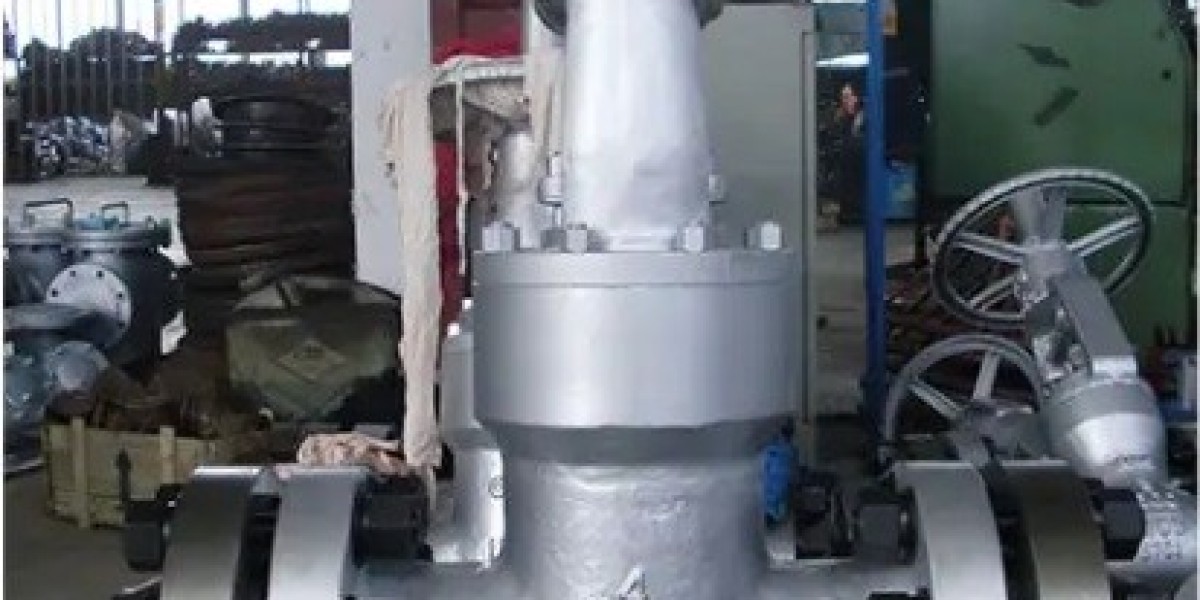

A check valve is one of those components that quietly keeps a system running smoothly. It allows fluid to move in one direction and automatically prevents reverse flow. Although simple in concept, its impact on system stability is enormous. In my experience working with fluid‑control equipment, a well‑designed check valve often determines whether a pipeline operates safely or suffers from pressure spikes, water hammer, or premature pump wear.Get more news about check valve,you can vist our website!
What makes check valves interesting is how they combine mechanical simplicity with practical reliability. There are no external controls, no electronics—just internal geometry and flow dynamics doing the job.
Key Features That Define a Good Check Valve
A check valve’s performance depends on several structural details. When evaluating one, I usually pay attention to the following characteristics because they directly influence how the valve behaves under real operating conditions.
1. One‑Way Flow Control
This is the core function. The internal disc, ball, or flap opens when fluid moves forward and closes instantly when flow reverses. A good valve responds quickly, sealing tightly without hesitation. In systems with frequent pressure fluctuations, this responsiveness prevents backflow that could damage pumps or contaminate upstream lines.
2. Low Cracking Pressure
Cracking pressure refers to the minimum pressure needed to open the valve. Valves with low cracking pressure are ideal for systems where flow begins gently, such as low‑pressure water circulation or chemical dosing lines. I’ve found that choosing the right cracking pressure can significantly improve energy efficiency because pumps don’t need to work harder than necessary.
3. Durable Internal Components
Materials matter. Stainless steel, brass, and reinforced polymers each offer different advantages. Stainless steel resists corrosion and suits harsh environments, while brass provides a balance of durability and cost. Polymer valves are lightweight and often used in non‑corrosive applications. The internal spring (if present) also affects longevity—high‑quality springs maintain consistent closing force over years of operation.
4. Tight Sealing Performance
A reliable check valve must seal completely when closed. Even minor leakage can cause pressure loss or contamination. I’ve seen systems where a small leak went unnoticed for months, gradually reducing pump efficiency. Modern valves often use precision‑machined seats or elastomer seals to ensure a clean, reliable shutoff.
How Check Valves Improve System Safety
One of the reasons I appreciate check valves is their role in protecting equipment. They prevent reverse flow that can cause water hammer—a sudden pressure surge that can crack pipes or damage fittings. In pump systems, they stop fluid from flowing backward when the pump shuts off, preventing impeller damage and reducing startup stress.
In multi‑pump configurations, check valves keep each pump isolated, ensuring one pump doesn’t push fluid backward through another. This simple safeguard often extends equipment life and reduces maintenance costs.
Practical Applications Where Check Valves Shine
Check valves appear in countless industries, and their benefits vary depending on the environment:
Water supply systems — Preventing contamination and maintaining pressure stability
HVAC systems — Ensuring chilled or heated water flows correctly
Chemical processing — Protecting dosing pumps from reverse flow
Oil and gas pipelines — Managing high‑pressure directional flow
Irrigation systems — Preventing siphoning and backflow into clean water sources
In each case, the valve’s reliability directly affects system performance. A poorly chosen valve can lead to inefficiency or even safety hazards.