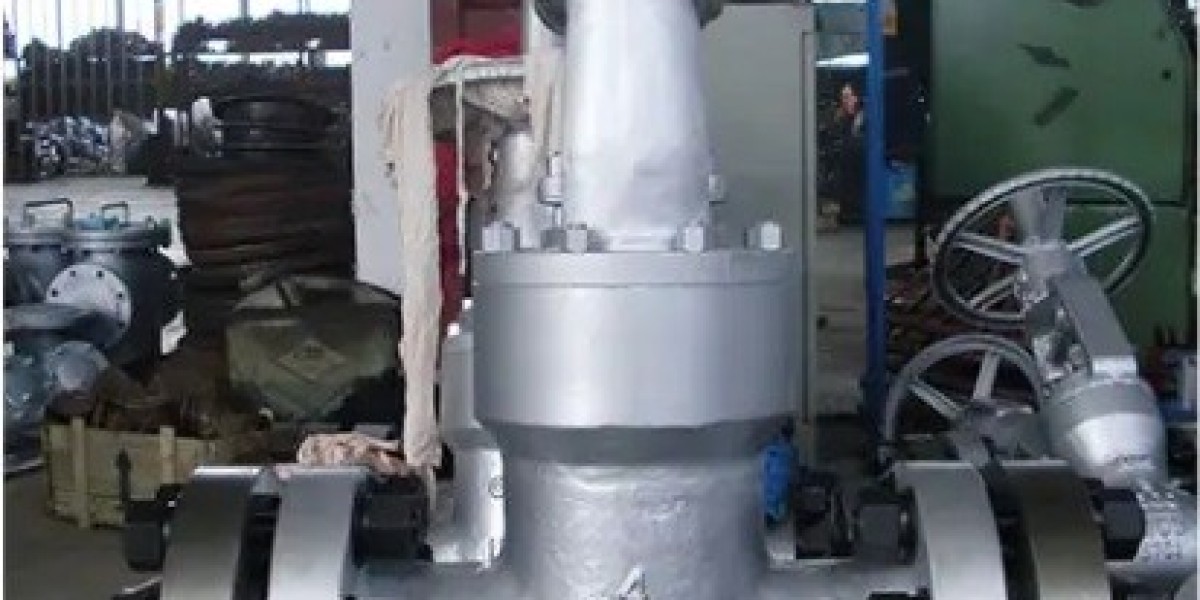

When a valve works in seawater, humid environments, or other demanding conditions, material selection becomes especially important. An aluminum bronze valve is made from a copper-based alloy containing aluminum and, depending on the grade, elements such as nickel, iron, or manganese. This material combines corrosion resistance with good mechanical strength, making it widely used for marine and industrial valve applications. Research on nickel-aluminum bronze has also documented its strong corrosion resistance in seawater environments.Get more news about aluminum bronze valve,you can vist our website!
Strong Corrosion Resistance
One of the biggest advantages of an aluminum bronze valve is its resistance to corrosion. This is particularly useful when the valve comes into contact with seawater, saltwater, or humid air for long periods.
Aluminum bronze can form a protective oxide film on its surface. This film helps separate the underlying metal from the surrounding environment. In nickel-aluminum bronze, the protective layer contains aluminum- and copper-based oxides and can provide long-term protection under suitable flow conditions.
In my view, this is one of the most practical reasons to consider aluminum bronze. A valve is often installed in a place where replacing it is inconvenient and expensive. Better material resistance can therefore have value beyond the initial purchase price.
High Mechanical Strength
Corrosion resistance is only part of the story. A valve also needs to handle pressure, repeated operation, vibration, and fluid movement.
Aluminum bronze offers a useful combination of strength, toughness, and wear resistance. Nickel-aluminum bronze, for example, is used in valve bodies, valve stems, pumps, and other load-bearing marine components.
The actual performance depends on the alloy grade, casting or forging method, heat treatment, and valve design. Therefore, buyers should not judge every aluminum bronze valve by the material name alone. Checking the specified alloy and applicable standards is a much better approach.
Designed for Marine Applications
Marine systems are a natural application for aluminum bronze valves. Ships, offshore platforms, seawater cooling systems, ballast systems, and other equipment may expose valves to saltwater and continuous moisture.
Nickel-aluminum bronze is particularly established in seawater-handling and marine equipment because it combines corrosion resistance with mechanical performance.
Different valve designs can be manufactured from aluminum bronze, including gate, globe, check, plug, and butterfly valves. The correct design depends on whether the system needs isolation, flow control, or prevention of reverse flow.
Attention to Valve Details
A good aluminum bronze valve is not simply a bronze body with an actuator attached. Small design details can make a noticeable difference.
The valve body needs sufficient wall thickness and a suitable internal passage. The stem, seat, sealing components, bolts, and other parts should also be selected according to the working medium and operating conditions.
This is especially important in seawater systems because corrosion can sometimes occur at localized areas rather than across the entire valve. Research into failed marine aluminum bronze butterfly valves has shown that crevice and galvanic corrosion can become important when dissimilar materials are combined in certain configurations.
For this reason, I would pay close attention to the complete material combination rather than focusing only on the valve body.
Good Wear and Erosion Resistance
Fluid moving through a valve can create considerable mechanical stress. If the fluid contains particles or moves at high velocity, erosion can become another concern.
Aluminum bronze has good resistance to wear and erosion, although it is not immune to damage. High flow velocity, turbulence, cavitation, and abrasive particles can affect the protective surface layer and accelerate material loss.
This means operating conditions should always be considered when selecting the valve. A material that performs well under normal seawater flow may require additional consideration in an extremely high-velocity or abrasive system.
Where Is an Aluminum Bronze Valve Used?
Typical applications include marine piping, seawater cooling, shipbuilding, offshore equipment, desalination systems, pumps, and industrial fluid-handling equipment. Aluminum bronze valves are also used where resistance to marine corrosion and mechanical durability are important.
For example, a valve installed in a ship's seawater cooling line may operate for long periods with little opportunity for replacement. In this situation, corrosion resistance, reliable sealing, and straightforward maintenance are all important.