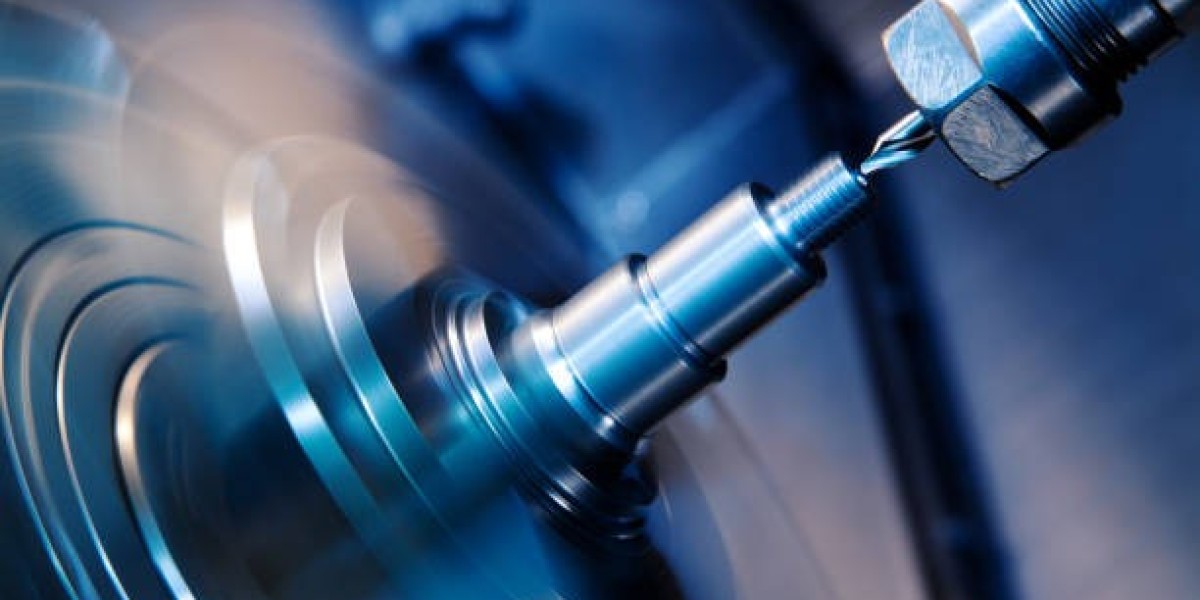

Manufacturing has changed a lot, but one thing has not changed: parts still need to fit, move, connect, and perform exactly as intended. That sounds simple until a component has tight tolerances, unusual geometry, or has to be made thousands of times without drifting out of spec. This is where CNC precision turning has become such an important part of modern production. CNC machines take digital instructions and turn them into repeatable physical results, often with a level of consistency that is difficult to achieve through older manual methods. And honestly, that consistency matters more than flashy technology names. A tiny dimensional error can cause trouble much later in an assembly. Modern CNC systems help manufacturers catch that problem at the machining stage instead.
More Control Over Precision Parts
One of the biggest changes brought by CNC technology is the amount of control available during machining. Operators can program cutting paths, spindle speeds, feeds, tool movements, and other machining parameters before the actual production run begins. That means the machine is not simply cutting metal and hoping for the best. It is following a carefully developed process. For precision components, this is a big deal. Shafts, pins, bushings, fittings, connectors, and other turned components may have extremely specific dimensional requirements. CNC equipment can repeat those movements again and again, helping maintain consistency across a production batch. Of course, the machine alone does not guarantee a perfect part. Tool condition, material behavior, programming, setup, and inspection still matter. But CNC gives manufacturers a much stronger foundation to work from.
Automation Is Changing the Production Floor
Walk into a modern machining facility, and you will notice something pretty quickly. Machines are doing more of the repetitive work. Automation has become closely connected with CNC manufacturing, particularly for companies producing large quantities of similar components. Automated loading and unloading systems, bar feeders, tool changers, probing systems, and other equipment can reduce unnecessary handling between machining steps. This does not mean people have disappeared from the process. Far from it. Skilled machinists are still needed to program equipment, inspect results, solve problems, and make process decisions. The difference is that workers can spend less time repeating basic machine movements and more time dealing with the parts of production that actually require experience. That shift can make a shop faster without simply pushing people harder.
Better Accuracy Without Slowing Everything Down
There used to be a common assumption that greater precision automatically meant slower production. CNC technology has made that idea less straightforward. Newer machining centers and turning equipment can combine high spindle speeds, advanced tooling, automated measurements, and optimized cutting strategies. The result is a process that can remove material efficiently while still holding demanding tolerances. For manufacturers, that balance is important. Nobody wants a beautifully machined component that takes so long to produce that the final cost becomes unreasonable. CNC machining helps bridge that gap. A properly optimized process can produce consistent parts at useful production rates, while in-process inspection can provide information before an entire batch is finished. That saves time, material, and sometimes a very uncomfortable conversation with the customer.
Digital Manufacturing Starts Before the Machine Runs
Another major shift is happening before the cutting tool even touches the material. CNC production is increasingly tied to digital design and manufacturing software. CAD models can be converted into manufacturing instructions, while CAM systems help create toolpaths based on the actual geometry of a component. Simulation can also be used to identify potential collisions, inefficient movements, or machining problems before production starts. This matters when the part is complicated. Nobody wants to discover halfway through a production run that a tool cannot reach a particular feature. Digital preparation gives engineers and machinists a chance to work through those issues earlier. It also makes design changes easier to manage. If a dimension changes, the digital model and machining program can often be updated without rebuilding the entire manufacturing process from scratch.
Complex Geometries Are Becoming More Practical
Precision parts are not always neat little cylinders with a few holes in them. Some have angled features, internal details, threads, grooves, tight transitions, and other geometry that can be difficult to produce consistently. Multi-axis CNC equipment has expanded what manufacturers can realistically machine in one setup or across fewer setups. Fewer setups can reduce opportunities for alignment errors. That is important because every time a part is removed and repositioned, there is another chance for something to shift slightly. Modern CNC turning and milling capabilities also allow manufacturers to approach more complicated designs without automatically resorting to multiple separate machines and manual operations. The short answer is… complicated parts are becoming less intimidating to produce when the equipment, programming, and process planning are all handled properly.
Quality Control Is Becoming More Connected
CNC manufacturing is also reshaping how quality is managed. Inspection is no longer something that necessarily happens only after machining is complete. Touch probes and measurement systems can check dimensions during or between machining operations, depending on the equipment and process. That gives manufacturers useful feedback while production is still happening. If a tool begins wearing and a dimension starts drifting, measurements may help identify the change before a large number of parts are affected. There is still a place for dedicated inspection equipment, especially when extremely tight specifications or certification requirements are involved. But connecting measurement with production creates a more responsive manufacturing process. It is a practical improvement, not just another piece of factory jargon. Less guessing. More information.
CNC Technology Is Supporting Smaller, Smarter Production Runs
CNC technology is not only useful for massive production quantities. Modern programming and setup methods can also make smaller batches more practical. Manufacturers may need prototypes, replacement components, engineering samples, or short production runs before committing to much larger quantities. CNC equipment can accommodate these changing requirements when the process is planned well. This flexibility is becoming increasingly important because customers often want more customization and shorter lead times. A machine shop may need to move between different materials, dimensions, and component designs without losing control of quality. Digital files, stored programs, preset tooling, and better process documentation all help with that. It is not magic, obviously. Setup still takes time. But the whole operation can be more adaptable than traditional production methods allowed.
What the Future Looks Like for Precision Parts
The future of precision machining will probably not be about one machine doing absolutely everything. It is more likely to be about connected systems working together. Smarter CNC controls, better sensors, improved tooling, automation, digital inspection, and manufacturing software are already moving production in that direction. Machine data can help identify patterns in tool wear and process performance, while advanced software can help manufacturers optimize cutting strategies. The human side remains important too. Someone still needs to understand materials, tolerances, drawings, tooling, and what the finished component is actually supposed to do. A machine can follow instructions perfectly and still produce the wrong thing if those instructions are wrong. As these technologies continue developing, businesses will increasingly look for suppliers that can combine equipment with practical machining knowledge. A capable CNC turned parts manufacturer can use that combination to produce components that are accurate, repeatable, and suited to real production demands. That is really where the future is heading—not technology for its own sake, but smarter machining that makes precision parts more reliable and production more manageable.