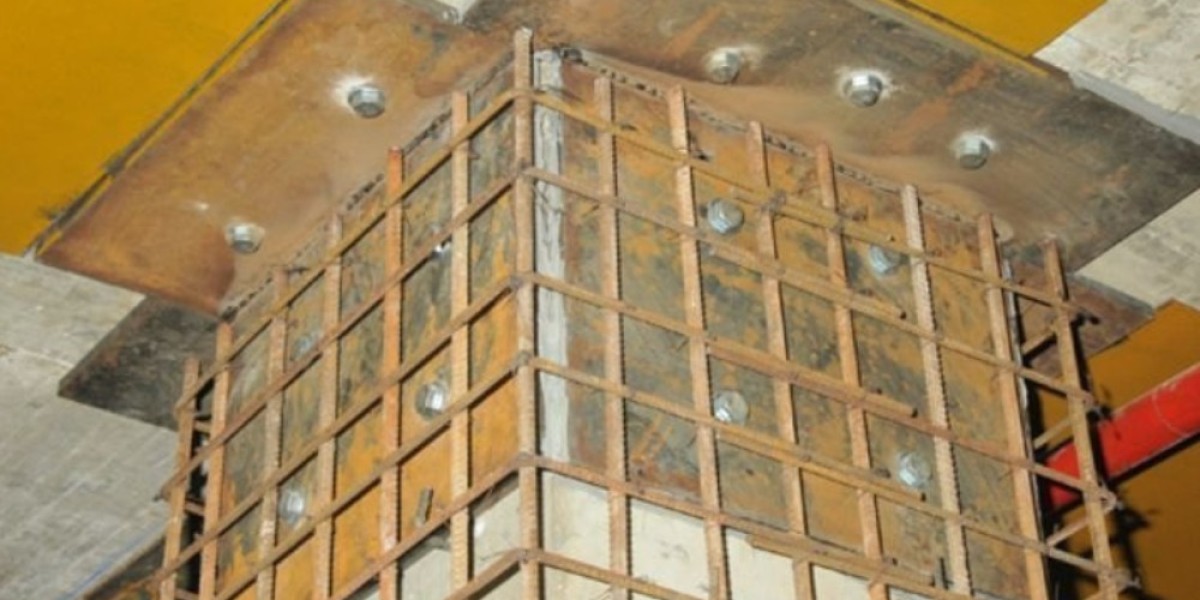

Existing buildings and industrial structures can develop cracks, leakage, concrete deterioration, corrosion, or reduced load-carrying capacity as they age. In such situations, demolition and complete reconstruction may not always be practical. Retrofitting services provide a way to improve the performance of existing structures through suitable strengthening and repair techniques. PU grouting and injection grouting can also address specific leakage, void, and crack-related problems when selected according to actual site conditions.
Why Existing Structures Need Retrofitting
Structures are designed for particular loads, environmental conditions, usage patterns, and service requirements. Over time, these conditions can change because of increased equipment loads, modifications, deterioration, water exposure, corrosion, or changes in building use. Structural retrofitting helps address such changes by strengthening selected structural elements instead of replacing the entire structure. The appropriate method depends on inspection findings, structural requirements, material condition, and the expected future use.
What Are Retrofitting Services?
Retrofitting services involve modifying an existing structure to improve its strength, stability, serviceability, or resistance to identified structural problems. Depending on the condition of the building or infrastructure, solutions may include column jacketing, beam strengthening, slab strengthening, steel strengthening, fibre reinforcement, foundation strengthening, or other engineered interventions. Retrofitting is therefore not one single repair technique; it is a planned approach developed around the specific deficiencies identified during structural assessment.
When Should Structural Retrofitting Be Considered?
Retrofitting may become necessary when an existing structure shows significant deterioration or when its requirements have changed after construction. Typical situations include ageing RCC structures, damaged beams and columns, corrosion-affected reinforcement, increased operational loads, structural modifications, or requirements for improved seismic performance. Early assessment is important because visible cracks or concrete damage may only represent symptoms of a larger issue that requires investigation before selecting the final repair or strengthening method.
Retrofitting Is More Than Surface Repair
Surface-level repairs can improve appearance, but they may not address the reason behind structural deterioration. For example, repairing a concrete crack without investigating moisture ingress, reinforcement corrosion, movement, or excessive loading may provide only a temporary improvement. Retrofitting focuses on the performance of the existing structural system and identifies where strengthening or rehabilitation is actually required. This makes engineering assessment an important part of planning successful structural repair and strengthening work.
Understanding PU Grouting
PU grouting, also known as polyurethane grouting, is commonly used for controlling water ingress through cracks, joints, voids, and other pathways in concrete structures. A suitable polyurethane resin is injected into the affected area under controlled conditions. Depending on the product and moisture conditions, the material can react and expand, helping fill pathways through which water is entering. The method is particularly useful where active seepage makes conventional surface treatment difficult.
What Is PU Injection Grouting?
PU injection grouting is a controlled injection process in which polyurethane material is introduced into cracks, joints, cavities, or leakage paths through suitable injection points. The objective is to reach the affected zone rather than simply cover the visible surface. The method can be considered for basements, retaining structures, water-retaining structures, underground areas, industrial facilities, and other concrete elements where water penetration needs to be controlled through internal pathways.
How Does PU Grouting Help With Leakage?
Water can travel through very small cracks, construction joints, honeycombed concrete, and interconnected voids. Simply applying a coating over the surface may not stop water that continues to move behind the treatment. PU grouting works by directing material into the pathway through injection ports. Once the selected material reacts and fills the relevant space, it can help reduce water movement. Proper diagnosis is essential because leakage can have several possible causes.
Common Applications of PU Injection Grouting
PU injection grouting is commonly considered for active water leakage in basements, underground structures, retaining walls, water tanks, concrete joints, tunnels, and other areas exposed to water pressure. It may also be used where cracks or voids create pathways for moisture. The exact application depends on crack characteristics, water flow, substrate condition, accessibility, and the required performance of the repaired area. Each project should therefore be evaluated individually before execution.
PU Grouting for Industrial Structures
Industrial buildings often experience demanding operating conditions, including moisture exposure, vibration, chemical environments, heavy equipment, and continuous usage. Leakage or concrete deterioration can affect operations when left untreated. PU grouting can form part of a broader repair strategy where water ingress is identified as a problem. For industrial applications, the repair methodology should consider operating schedules, access restrictions, safety requirements, surrounding equipment, and whether the affected area has any structural significance.
PU Grouting vs Epoxy Injection Grouting
PU grouting and epoxy injection grouting are not interchangeable solutions. PU systems are commonly associated with water-bearing cracks and leakage-control applications, while epoxy injection can be considered for certain structural cracks where bonding and restoration of continuity are required. The choice depends on whether the primary concern is water ingress, structural cracking, crack movement, substrate condition, or another defect. Selecting material only because it is popular can result in an unsuitable repair.
When Is Injection Grouting Required?
Injection grouting becomes relevant when the defect extends beyond the accessible surface and requires treatment within the concrete or surrounding zone. Cracks, voids, leakage paths, and concealed cavities may not be effectively treated through surface application alone. Injection points allow the repair material to be introduced into targeted areas. The injection pressure, material viscosity, port spacing, and sequence must be selected according to the defect and the condition of the structure.
Role of Injection Grouting Contractors
Injection grouting contractors are responsible for more than simply injecting material into cracks. The work involves understanding the defect, preparing the surface, identifying injection points, installing suitable ports, selecting the appropriate material, controlling injection pressure, and monitoring the process. Experienced execution is important because excessive pressure, incorrect material selection, inadequate preparation, or poor injection sequencing can affect the quality of the treatment and may fail to address the actual problem.
How Contractors Assess a Grouting Requirement
Before starting injection grouting, contractors generally need to understand where the water or defect originates and how it travels through the structure. Site inspection may involve observing crack patterns, leakage intensity, concrete condition, joints, previous repairs, and surrounding conditions. The contractor can then determine whether PU injection, epoxy injection, cement grouting, microfine cement grouting, or another repair technique is more suitable for the identified condition.
Importance of Crack Classification
Not every crack in concrete requires the same treatment. Crack width, depth, location, movement, orientation, moisture condition, and probable cause can influence the repair method. A crack caused by shrinkage is different from one caused by structural movement, corrosion, settlement, or overloading. Before selecting an injection system, these factors should be considered. Correct crack classification reduces the risk of treating only the visible symptom while leaving the underlying cause unresolved.
Retrofitting and Grouting Can Work Together
Retrofitting services and grouting may sometimes form parts of the same rehabilitation project. For example, a deteriorated structure may require strengthening of structural members while separate leakage pathways require injection treatment. In such cases, the repair strategy should coordinate both activities rather than treating each defect independently. Gubbi Civil Engineers Limited can be considered when a project requires coordination between structural repair, retrofitting, waterproofing, and grouting requirements across industrial, commercial, or infrastructure applications.
Factors to Consider Before Choosing a Contractor
Choosing injection grouting contractors should involve more than comparing the quoted price. Clients should consider whether the contractor understands the type of defect, uses suitable materials, follows an appropriate injection procedure, and can coordinate repair activities with existing operations. Experience with industrial and infrastructure environments can also be important where access, safety, shutdown periods, and operational continuity affect execution. A technically appropriate method is generally more important than choosing a treatment based only on material name.
Cost of PU Grouting and Retrofitting
The cost of PU grouting and structural retrofitting varies according to several project-specific factors. These can include affected area, crack or leakage condition, material consumption, injection depth, number of injection points, accessibility, surface preparation, equipment requirements, structural strengthening requirements, and site conditions. Therefore, a fixed rate cannot accurately represent every project. A site inspection and defined scope of work are useful for developing a realistic quantity estimate and project budget.
How to Select the Right Repair Approach
The right repair approach should begin with the defect rather than the product. If water is actively entering through a crack, PU injection may be considered after evaluating the leakage path. If a structural crack requires restoration of concrete continuity, another injection system may be more suitable. If a structural member has inadequate capacity, strengthening or retrofitting may be required. In some projects, multiple methods are necessary because different defects require different engineering responses.
Common Mistakes in Injection Grouting
One common mistake is treating every crack with the same material. Another is beginning injection without understanding the source of leakage or movement. Inadequate surface preparation, incorrect injection pressure, poor port placement, and failure to monitor the process can also reduce effectiveness. Applying a waterproof coating over an unresolved active leakage path may similarly provide limited results. Proper inspection and method selection help prevent unnecessary repair cycles and improve the overall rehabilitation strategy.
Benefits of a Planned Structural Rehabilitation Approach
A planned rehabilitation approach helps clients understand which defects require immediate attention and which can be addressed through scheduled maintenance. It can also help coordinate structural repairs, waterproofing, injection grouting, strengthening, and protective treatments. Instead of responding separately to every visible problem, the structure can be evaluated as a complete system. This approach is particularly useful for industrial and commercial facilities where repair decisions can affect safety, productivity, maintenance planning, and operating continuity.
Applications Across Industrial and Infrastructure Projects
Retrofitting, PU grouting, and injection grouting can be relevant to many types of existing assets. Applications may include industrial plants, warehouses, commercial facilities, parking structures, water-retaining structures, basements, foundations, bridges, and other infrastructure components. The exact treatment depends on the structure and its defect condition. Projects involving active operations may also require phased execution so that repair work can be coordinated with access limitations and operational requirements.
Why Technical Assessment Matters Before Repair
A successful repair starts with understanding what caused the defect. Leakage can result from cracks, joints, porous concrete, construction deficiencies, or external water pressure. Similarly, structural deterioration can result from corrosion, loading, environmental exposure, poor construction, or ageing. Without identifying the underlying condition, even a technically advanced repair material may not provide the expected result. Technical assessment therefore provides the foundation for selecting a suitable repair, grouting, or retrofitting methodology.
Retrofitting services, PU grouting, and injection grouting address different but sometimes connected challenges in existing structures. Retrofitting focuses on improving structural performance, while PU injection grouting is commonly considered for controlling water pathways and leakage through suitable cracks, joints, and voids. The most appropriate solution depends on actual site conditions, structural requirements, material compatibility, and the cause of deterioration. Proper assessment, planning, and execution remain essential for achieving meaningful rehabilitation results.










