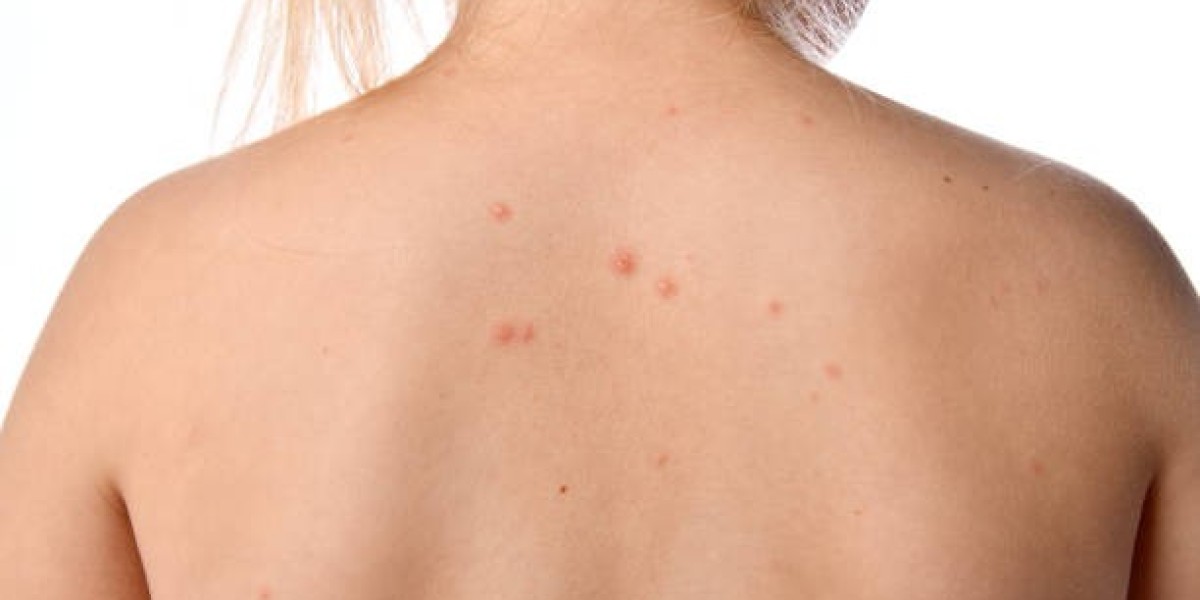
Back acne is usually exactly what it appears to be—a common skin condition driven by oil, bacteria, and clogged pores. But in some cases, persistent breakouts on the back signal something more: How to Treat Back Acne and Its Effects? an underlying skin disorder, a hormonal imbalance, or a condition that mimics acne but requires entirely different treatment. Knowing when back acne warrants further investigation helps you avoid methods of ineffective care.
When Back Acne Is Just Back Acne
Most back acne follows predictable patterns. It responds to standard treatments, fluctuates with hormones and lifestyle, and improves with consistent care.
If your breakouts behave this way, an underlying condition is unlikely.
Signs Something More May Be Going On
Certain features suggest that what looks like acne may not be acne at all.
These include itching, uniform bumps, poor response to treatment, unusual distribution, and accompanying symptoms elsewhere on the body.
Condition One: Fungal Folliculitis (Malassezia)
Fungal folliculitis causes small, uniform, itchy bumps on the back and shoulders.
It does not respond to standard acne treatments and often worsens in heat and humidity. Antifungal treatment is required.
Condition Two: Bacterial Folliculitis
Bacterial folliculitis develops when hair follicles become infected, often after shaving, sweating, or hot tub exposure.
It presents as red, pus-filled bumps centered on hair follicles.
Condition Three: Hidradenitis Suppurativa
This chronic condition causes painful, deep lumps in areas where skin rubs together, including the back.
It may drain fluid and leave scars. It requires medical management.
Condition Four: Keratosis Pilaris
Keratosis pilaris causes rough, small bumps on the skin, often on the upper arms and sometimes the back.
It is not acne and does not respond to acne treatments.
Condition Five: Hormonal Disorders
Conditions such as PCOS, thyroid disorders, and adrenal conditions can drive persistent acne.
Accompanying symptoms may include irregular periods, fatigue, or weight changes.
Condition Six: Contact Dermatitis
Reactions to clothing dyes, laundry detergents, or skincare products can cause red, itchy bumps that resemble acne.
Identifying and removing the trigger resolves the condition.
Condition Seven: Skin Infections
Bacterial or fungal skin infections can present as persistent bumps that do not heal.
These require medical treatment.
Condition Eight: Rare Skin Conditions
In rare cases, persistent back bumps may indicate a more serious dermatological condition.
Professional assessment rules these out.
How to Tell the Difference
Track your symptoms: itching, distribution, response to treatment, and accompanying signs.
If standard acne care fails after eight to twelve weeks, reassessment is warranted.
When to Seek Professional Help
If back acne is persistent, painful, itchy, or accompanied by other symptoms, professional evaluation is essential.
Accurate diagnosis guides effective treatment.
For those seeking expert guidance and customized aesthetic care, you can book an appointment consultation at the Enfield Royal Riyadh .
FAQs
Can back acne indicate a skin problem?
Sometimes; folliculitis, keratosis pilaris, and other conditions can mimic acne.
How do I know if it is not acne?
Itching, uniform bumps, and poor response to acne treatment suggest otherwise.
What is fungal folliculitis?
An itchy, fungal infection of hair follicles that requires antifungal treatment.
When should I see a professional?
If acne persists despite treatment or unusual symptoms appear.
Can hormonal disorders cause back acne?
Yes, PCOS and thyroid conditions can drive persistent breakouts.
Final Thoughts
Back acne is usually a straightforward condition, but persistent or unusual breakouts may signal an underlying skin problem. Folliculitis, keratosis pilaris, hormonal disorders, and other conditions can mimic acne while requiring different treatment. When standard care fails, professional assessment provides clarity. Correct diagnosis ensures effective care.