
They can appear after breakouts, sun exposure, hormonal changes, or skin irritation. While dark spots are usually harmless, many people look for gentle ways to improve the appearance of uneven pigmentation and achieve a more balanced-looking complexion.
Natural skincare ingredients have become increasingly popular because they can be incorporated into simple daily routines. Rosehip oil is one botanical ingredient commonly used for moisturizing and nourishing the skin. Many people explore rosehip oil for dark spots as part of a natural skincare routine focused on improving the overall appearance of the skin.
Understanding how to use facial oils correctly and maintaining consistent skincare habits can help you create a routine that supports healthy-looking, radiant skin.
What is rosehip oil?
Rosehip oil is a plant-based oil extracted from the seeds or fruits of rosehip plants. It is valuable in skincare because it contains naturally occurring fatty acids and other plant compounds.
Its lightweight texture makes it a popular choice for facial skincare. Depending on the formulation, rosehip oil can help moisturize the skin and leave it feeling softer and smoother.
People interested in rosehip oil for dark spots often include it in their evening skincare routine. However, individual results can vary, and an oil should not be considered a guaranteed solution for pigmentation.
Why Do Dark Spots Appear?
Dark spots develop when certain areas of the skin produce more melanin than surrounding areas. Several factors can contribute to this change in pigmentation.
Sun exposure is one of the most common contributors. Ultraviolet radiation can stimulate melanin production and may make existing dark spots appear more noticeable.
Post-inflammatory hyperpigmentation can also occur after acne, irritation, insect bites, or other skin inflammation. Hormonal changes may contribute to pigmentation in some people as well.
Because different types of pigmentation can have different causes, identifying what may be contributing to your dark spots is an important part of choosing an appropriate skincare routine.
Rosehip Oil for Dark Spots and Skin Care
The popularity of rosehip oil for dark spots comes from its role as a nourishing facial oil. It can provide moisture and help support a smoother-feeling skin texture.
Well-moisturized skin often looks healthier and more supple. Rosehip oil can be applied as part of a nighttime routine after cleansing, depending on the rest of your skincare products.
It is important to have realistic expectations. Rosehip oil is primarily a moisturizing botanical oil and should not be treated as a medical treatment for pigmentation. Dark spots can take time to become less noticeable, and consistent sun protection is an important part of managing their appearance.
How to Use Rosehip Oil
Before adding a new facial oil to your routine, consider performing a patch test. This is particularly useful if your skin is sensitive or prone to irritation.
After cleansing your face, apply your usual water-based skincare products if appropriate. Then use a small amount of rosehip oil and gently spread it over the skin.
There is no need to use a large quantity. A few drops may be enough depending on your skin type and the product formulation.
Avoid getting the oil directly into your eyes. If irritation, redness, or discomfort develops, discontinue use and consider seeking professional skincare advice.
The Importance of Sun Protection
Using rosehip oil for dark spots without protecting your skin from the sun may limit your overall skincare progress. UV exposure can contribute to pigmentation and may make existing dark spots appear darker.
A broad-spectrum sunscreen is therefore an important part of a routine designed to improve the appearance of uneven skin tone. Apply sunscreen during the day and reapply as directed, particularly when spending extended time outdoors.
Other sun-protection habits, such as wearing protective clothing and seeking shade during strong sunlight, can also help reduce unnecessary UV exposure.
Keep Your Skincare Routine Simple
A complicated skincare routine is not always better. A simple routine can make it easier to stay consistent.
Start with a gentle cleanser to remove dirt, excess oil, and daily buildup. Follow with products appropriate for your skin type, and use a moisturizer if needed. During the daytime, finish with sunscreen.
At night, cleansing followed by suitable moisturizing products can help maintain the skin barrier. If you enjoy facial oils, rosehip oil can be incorporated as an additional moisturizing step.
Avoid using too many active ingredients at once, especially if your skin is sensitive. Excessive exfoliation or aggressive treatments can cause irritation, which may make pigmentation appear more noticeable.
Other Natural Ingredients for Skin Care
Rosehip oil is just one botanical ingredient used in natural beauty routines. Other plant-derived ingredients may also be found in skincare products designed for different concerns.
Tea tree oil, for example, is commonly used in products formulated for blemish-prone skin. However, essential oils should be used carefully and in appropriate formulations because concentrated essential oils can irritate the skin.
When choosing natural skincare products, pay attention to the complete formulation rather than focusing on a single ingredient. Your skin type, sensitivity, and existing routine should all be considered.
Rosemary Oil for Hair Care
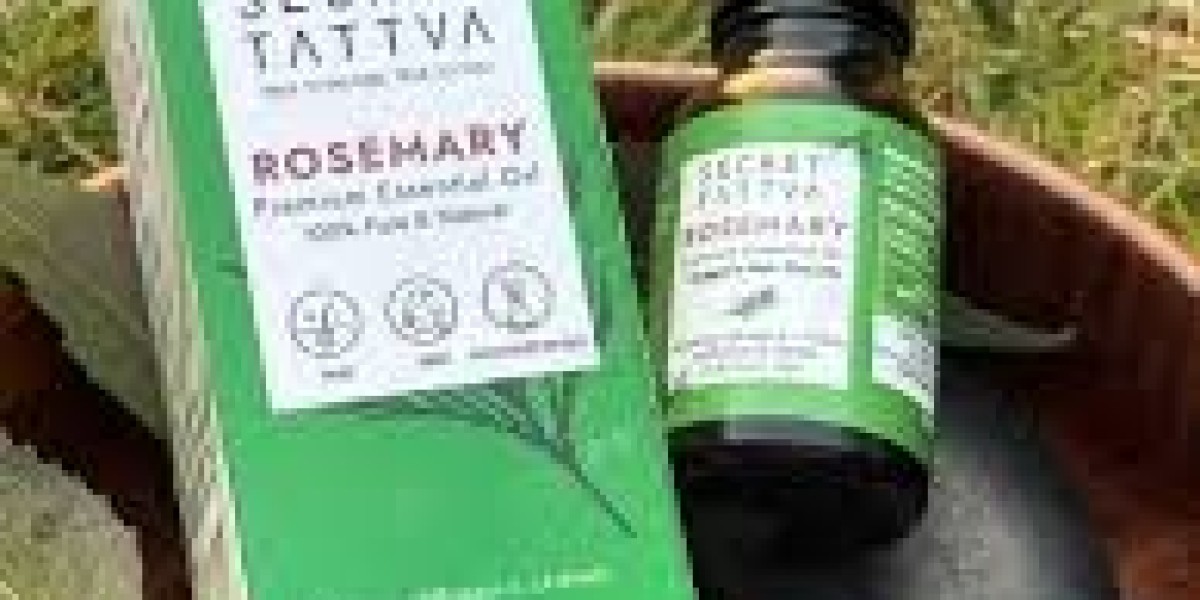
Natural oils are not limited to skincare. Many botanical oils are also popular in hair-care routines. Rosemary oil for hair growth is one example that has gained attention among people interested in plant-based hair care.
Rosemary oil is an essential oil and should be properly diluted before topical use. It is commonly incorporated into carrier oils or formulated hair products rather than applied directly to the scalp in concentrated form.
Just as with facial oils, consistency and proper application are important. Hair growth can be influenced by many factors, so rosemary oil should be considered as part of a broader hair-care routine rather than a guaranteed solution.
Lifestyle Habits for Healthy-Looking Skin
Skincare products are only one part of maintaining healthy-looking skin. A balanced diet, adequate hydration, sufficient sleep, and regular physical activity can support overall well-being.
Try to avoid frequently touching or picking at blemishes because irritation can contribute to post-inflammatory marks. Gentle cleansing is preferable to harsh scrubbing.
If you have persistent acne, significant pigmentation, or rapidly changing dark spots, a dermatologist can help determine the cause and recommend suitable treatment options.
Final Thoughts
Exploring rosehip oil for dark spots can be a simple way to add a nourishing botanical ingredient to your skincare routine. Its moisturizing properties can help skin feel softer and more comfortable, while a consistent routine can support a smoother and healthier-looking complexion.
However, dark spots can have many causes, and no single natural oil works the same way for everyone. Sun protection, gentle cleansing, proper moisturization, and avoiding unnecessary irritation are essential parts of a balanced skincare routine.
Natural beauty care can also extend beyond skincare. Ingredients such as rosemary oil for hair growth are commonly used in botanical hair-care routines. Whether caring for your skin or hair, choosing suitable products and using them consistently can help make your daily self-care routine simple, gentle, and sustainable.