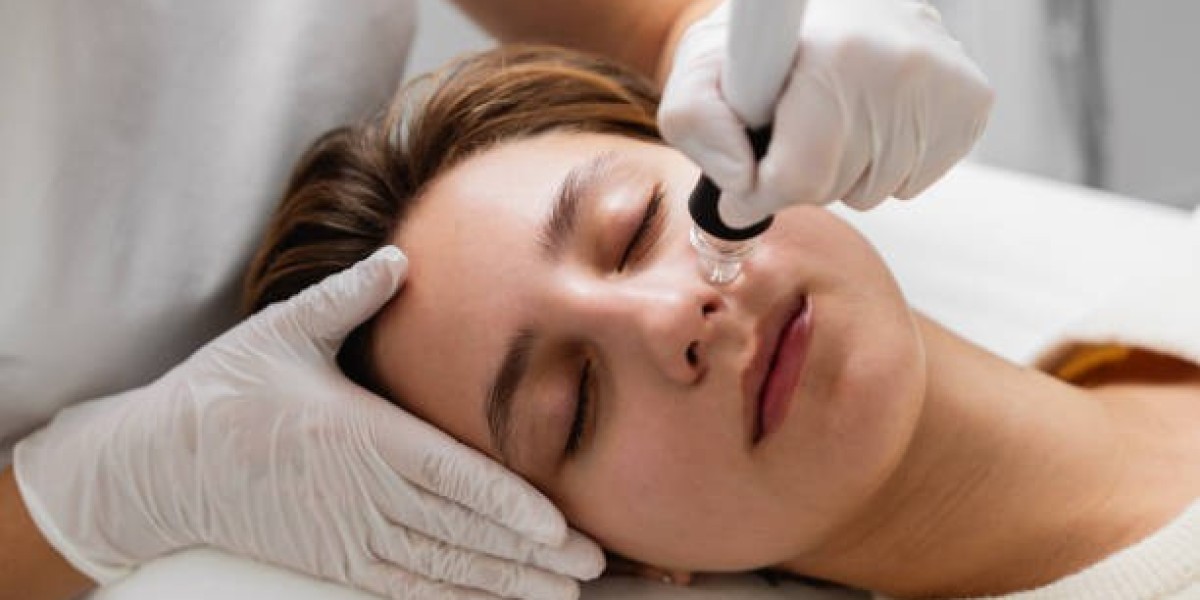

Plasma pen treatment is a cosmetic procedure used to improve the appearance of concerns such as fine lines, mild skin laxity, and uneven-looking skin. Like other aesthetic procedures, it can cause temporary or, less commonly, longer-lasting side effects. Understanding the potential reactions is an important part of making an informed decision about Plasma Pen Treatment in Riyadh and knowing what to expect during the healing process.
How Does Plasma Pen Treatment Affect the Skin?
Plasma pen treatment uses controlled plasma energy to create a localized thermal effect on targeted areas of the skin. This controlled response activates the body's natural healing process and may encourage collagen remodeling.
Because the procedure intentionally creates a controlled reaction in the skin, temporary redness, swelling, sensitivity, and surface changes can occur. The severity of these effects depends on factors such as treatment intensity, location, skin type, and individual healing.
What Are the Common Side Effects?
Redness
Redness is one of the most common temporary effects following treatment. It occurs as the skin responds to the procedure and begins its healing process.
The duration can vary between individuals and treatment areas. Redness generally becomes less noticeable as the skin recovers.
Swelling
Mild swelling can occur, particularly when sensitive areas are treated. Swelling may be more noticeable around areas such as the eyes.
Keeping the treated area protected and following the practitioner's aftercare instructions can support comfortable recovery.
Sensitivity or Tenderness
The treated skin may feel sensitive, warm, or tender for a period after the procedure. This is part of the localized response created by the treatment.
Avoiding unnecessary touching, rubbing, or irritating skincare products can help minimize additional discomfort while the skin heals.
Dryness and Flaking
As the treated skin recovers, dryness, tightness, or flaking may occur. These temporary changes reflect the skin's natural renewal process.
Patients should avoid picking or peeling the skin and should follow the recommended skincare routine during recovery.
Small Crusts or Surface Changes
Depending on the treatment technique and intensity, small visible spots or crust-like areas may develop. These should be allowed to heal naturally.
Picking at treated areas can interfere with healing and may increase the risk of unwanted marks or irritation.
What Are Less Common Side Effects?
Temporary Changes in Skin Color
Changes in pigmentation can occur after procedures that create controlled skin injury. Some individuals may experience temporary darkening or lightening of the treated area.
People who are prone to pigmentation changes, particularly after inflammation, may require additional consideration before treatment.
Prolonged Irritation
In some cases, redness, sensitivity, or irritation may last longer than expected. Individual healing characteristics, treatment intensity, and aftercare can influence recovery.
Persistent or worsening symptoms should be discussed with the treating professional rather than managed through additional cosmetic products without guidance.
Infection
Any procedure that affects the skin can carry a risk of infection if appropriate hygiene and aftercare are not maintained. Increasing pain, worsening redness, significant warmth, or unusual discharge should be assessed by a healthcare professional.
What Factors Can Increase Side-Effect Risk?
Several factors may influence how the skin responds to plasma pen treatment. These include skin sensitivity, natural skin tone, existing irritation, treatment intensity, treatment area, previous procedures, and individual healing characteristics.
A detailed consultation can help identify factors that may affect treatment suitability. Patients should also provide accurate information about their skincare routine and previous aesthetic treatments.
How Can Side Effects Be Minimized?
Follow Aftercare Instructions
Aftercare recommendations are designed to protect the treated skin while it heals. Follow the instructions provided by your practitioner and avoid making significant changes to the recommended routine without guidance.
Avoid Picking the Treated Area
Visible crusting, dryness, or peeling can be tempting to remove, but picking can interfere with the natural healing process and may increase the risk of marks or irritation.
Protect the Skin From Excessive Sun Exposure
Recently treated skin can be more sensitive to environmental exposure. Appropriate sun protection and minimizing excessive direct sunlight can help reduce the risk of unwanted pigmentation changes.
Avoid Irritating Products
Strong exfoliants and other potentially irritating skincare products may not be appropriate immediately after treatment. Your practitioner can advise when these products can be safely reintroduced.
When Should You Contact a Professional?
Mild redness, swelling, sensitivity, and surface changes can be expected during recovery. However, symptoms that become increasingly severe or do not improve as expected should be discussed with your practitioner.
Seek professional medical advice if you experience signs such as significant worsening pain, spreading redness, substantial swelling, unusual discharge, or other concerning changes after treatment.
Can Side Effects Be Different for Sensitive Skin?
Sensitive skin may be more reactive to cosmetic procedures, so treatment planning should take this into account. A practitioner may assess the skin's barrier, current irritation, sensitivity, and treatment history before proceeding.
This does not automatically mean that sensitive skin cannot be treated. Instead, it highlights the importance of appropriate patient selection, individualized treatment settings, and careful aftercare.
Does Everyone Experience Side Effects?
Not everyone experiences the same reactions. Some patients may have relatively mild temporary effects, while others may experience more noticeable redness, swelling, or surface changes.
Individual healing response, treatment intensity, treatment area, and skin characteristics all influence the recovery experience. A consultation can help you understand the effects that may be relevant to your particular treatment.
Book a Consultation at Royal Clinic Saudia
If you are considering plasma pen treatment and want to understand its potential side effects and recovery requirements, professional guidance can help you prepare appropriately. At Royal Clinic Saudia, discuss your skin concerns and treatment goals with a qualified professional and learn whether the procedure is suitable for you.
FAQs
Is redness normal after plasma pen treatment?
Yes. Temporary redness is a common response after treatment and generally becomes less noticeable as the skin heals.
Can plasma pen treatment cause pigmentation changes?
Pigmentation changes can occur after procedures that create controlled skin injury. The risk can vary according to individual skin characteristics and aftercare.
How can I reduce the risk of side effects?
Following professional aftercare instructions, avoiding unnecessary irritation, protecting treated skin from excessive sun exposure, and not picking the treated area can support recovery.
When should I seek medical advice after plasma pen treatment?
Contact a healthcare professional if you experience significant or worsening pain, spreading redness, substantial swelling, unusual discharge, or other symptoms that concern you.