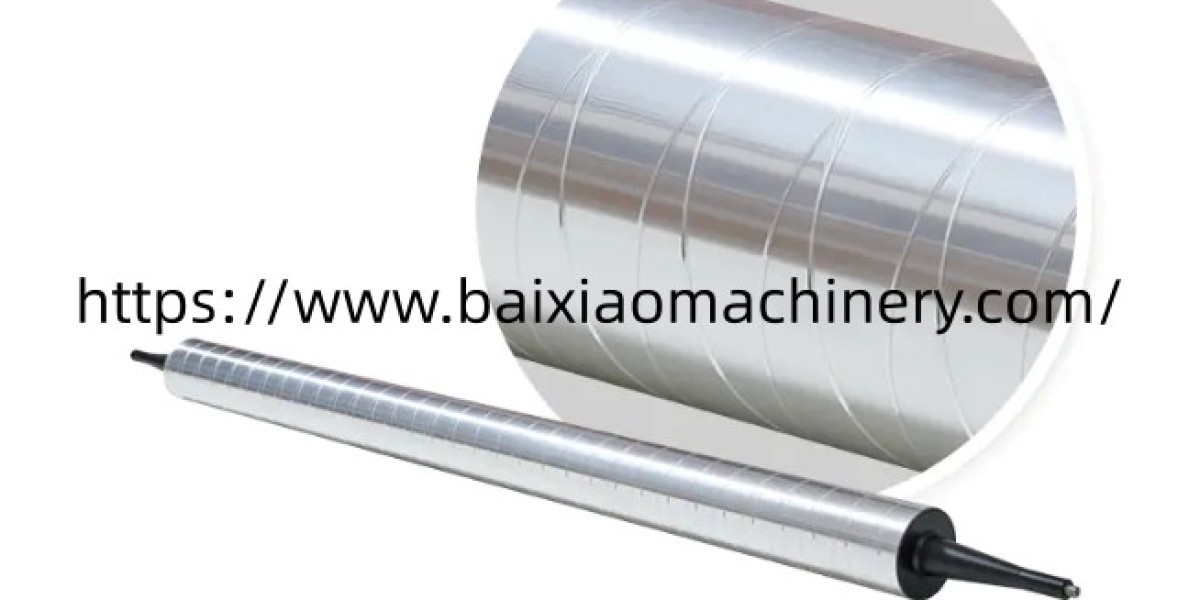

Steel is widely considered for industrial roller construction because it provides a solid foundation for mechanical applications where structural stability and resistance to repeated contact are important. The choice of steel should be connected with the working environment and the role of the roller within the machine. Different production processes may require different combinations of surface characteristics, mechanical behavior, and finishing methods. Baixiao's product range includes custom steel rollers, hard chrome-plated rollers, knurled rollers, mirror-finished rollers, slotted rollers, and other specialized designs.
Surface treatment is an important part of roller selection because the outer surface directly interacts with the processed material. A smooth finish may be useful when consistent contact and easy cleaning are important, while knurled or patterned surfaces can provide a different interaction with flexible materials. Chrome plating, polishing, and other treatments can also be selected according to the production environment. Baixiao provides several surface treatment options for steel rollers to accommodate different processing requirements.
The purchasing process should begin by identifying the roller's actual role. A roller may be used for guiding, conveying, pressing, calendering, tension control, coating, laminating, or another processing function. Each purpose creates different requirements for the roller surface and supporting structure. Buyers should therefore consider how the roller interacts with upstream and downstream components instead of choosing a product based only on its general appearance.
The processed material is another important consideration. Paper, plastic film, packaging material, textiles, and metal sheets can behave differently when they pass over a roller. Some materials may require a smoother surface, while others may benefit from a textured contact structure. The surface should also be compatible with the material's sensitivity to scratching, slipping, contamination, or excessive friction.
The surrounding production environment should also be examined. Moisture, dust, chemicals, coatings, adhesives, ink, and other substances can influence the condition of a roller surface. In applications where cleaning is frequent, an appropriate surface finish can make maintenance more convenient. Where wear is a concern, a suitable surface treatment may help preserve the working condition of the roller.
Functional technology is closely connected with machining precision. A roller must interact correctly with bearings, shafts, frames, and other mechanical components. Precision machining can help create consistent surfaces and connections, while balancing processes can contribute to stable rotation. Baixiao describes its manufacturing capabilities as including precision machining, modern production equipment, testing methods, and quality-control processes for roller products.
Different roller structures can also address different production needs. Hollow-core construction may be considered when the internal design needs to accommodate particular mechanical requirements, while solid or specialized structures may be more appropriate for other applications. Water-cooled roller designs can be considered in processes where temperature management is part of the equipment arrangement. Baixiao's steel roller portfolio includes hollow-core and water-cooled options alongside other customized structures.
Surface texture can become a functional design feature rather than simply an appearance choice. Knurled or mesh-line surfaces can improve interaction with certain materials, while mirror-finished surfaces may be selected when a clean and smooth contact condition is preferred. Slotted and grooved structures can also provide specialized material-guiding functions. The correct design depends on the role of the roller within the complete machine.
User experience begins with installation. A roller should fit naturally into the surrounding equipment, including its shaft arrangement, bearings, supports, and connection points. If these elements are considered during the initial design stage, installation and replacement can become easier to manage. For customized equipment, manufacturers can provide drawings or samples so that the roller supplier can understand the existing mechanical structure.
Daily operation is also influenced by roller selection. Operators need material to pass through the machine in a predictable way, without unnecessary deviation or surface damage. A suitable roller surface can support stable contact, while an appropriate structural arrangement can help maintain alignment. Baixiao identifies printing, packaging, plastics, and paper processing as important application areas for its roller systems.
Maintenance should be considered before purchasing rather than after installation. Industrial rollers can accumulate dust, ink, adhesive residue, coating material, or other production substances. Regular inspection and cleaning can help operators identify surface changes or mechanical issues at an early stage. A roller design that provides practical access to surrounding components can make these tasks easier.
Replacement is another part of the user experience. When a roller eventually needs servicing, its dimensions, shaft arrangement, surface construction, and connection method should correspond with the existing machine. Consistent manufacturing can make replacement purchasing more straightforward, particularly when several machines use similar components.
The appearance of a roller can also contribute to the overall design of industrial equipment. Clean machining, uniform surface finishing, organized shaft structures, and carefully processed edges can create a more professional visual impression. Although appearance is not normally the primary purchasing criterion, a well-finished roller can make inspection and equipment maintenance more intuitive.
Different finishes can also communicate functional differences. A polished surface, chrome-plated surface, knurled pattern, or grooved structure can visually indicate that the roller has been developed for a particular interaction with materials. This can be useful in production environments where operators need to distinguish components quickly.
Customization is especially useful when standard roller designs do not fit an existing production line. Buyers may need a particular surface treatment, internal structure, shaft arrangement, or mechanical connection. Baixiao states that it provides customized steel roller solutions based on equipment specifications and process requirements, with applications covering printing, film processing, packaging, and other industrial fields.
Supplier capability should therefore be evaluated alongside the roller itself. A manufacturer familiar with steel rollers, aluminum guide rollers, air shafts, rubber rollers, and related components can better understand how individual parts interact within a production system. Baixiao's broader product portfolio covers these categories and supports industries including printing, packaging, plastics, and paper processing.
Quality control is another consideration for purchasing teams. Roller consistency can depend on raw material selection, machining, surface treatment, assembly, balancing, and final inspection. Baixiao describes an integrated system covering research and development, production, sales, and after-sales service, together with quality-control procedures intended to support product precision and stability.
For equipment designers and purchasing teams, evaluating steel quality, surface treatment, application compatibility, roller structure, machining, installation, maintenance, user experience, and appearance provides a practical framework for selecting an industrial roller. These factors help connect the roller with the complete processing system and the material moving through it.
Zhejiang Province, Ruian Baixiao Machinery Co., Ltd. focuses on mechanical supporting products for printing, packaging, plastics, paper, and other coil-processing industries. Its product range includes steel rollers, aluminum guide rollers, pneumatic shafts, rubber rollers, slip shafts, and related components, with customized solutions available for different equipment requirements.
For more information about Zhejiang Province, Ruian Baixiao Machinery Co., Ltd., its steel rollers, guide rollers, air shafts, rubber rollers, and related mechanical components, visit https://www.baixiaomachinery.com/.