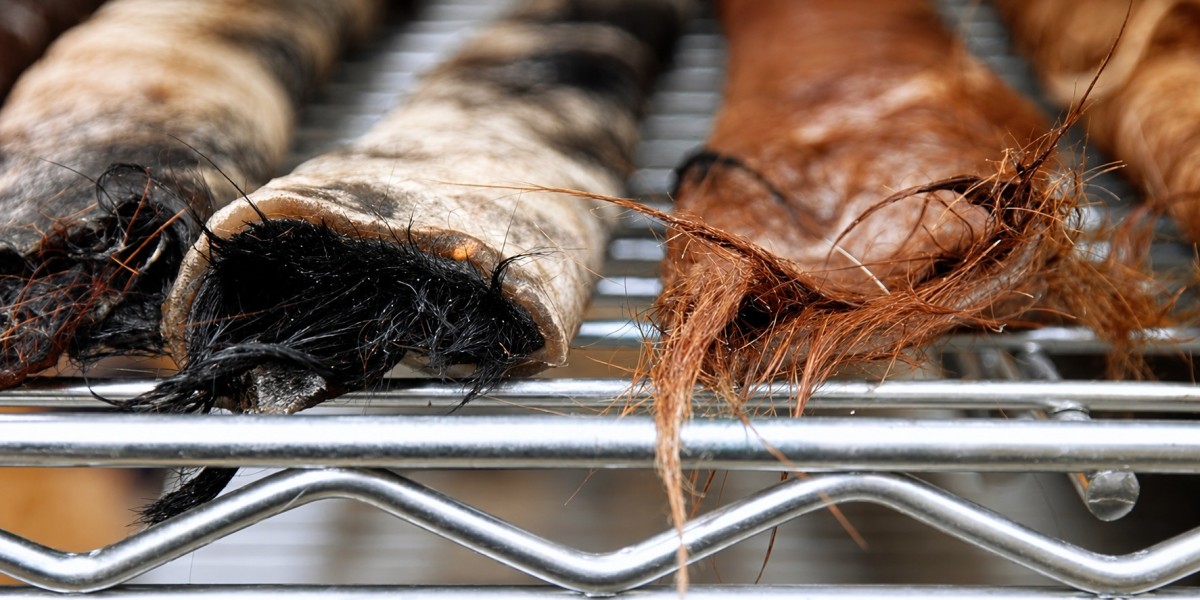

Beef cheek rolls are becoming a popular choice among pet parents who want a natural, long-lasting chew for their dogs. Because they can look similar to traditional rolled chews, it is easy to wonder whether they are made from the same material as rawhide. Understanding where each chew comes from can help you choose an option that fits your dog's chewing habits and dietary routine.
Are beef cheek rolls rawhide ? No. Beef cheek rolls and rawhide chews come from different parts of cattle. Beef cheek rolls are made from the cheek muscle and surrounding connective tissue, while rawhide is made from the inner layer of animal hide. Although both can provide a satisfying chewing experience, they are not the same type of chew.
What are beef cheek rolls?
Beef cheek rolls are made from the cheek portion of cattle. The cheek is primarily muscle tissue with connective tissue and collagen.
When prepared as a dog chew, the material is shaped or rolled and then dried or otherwise processed to create a dense, chewy texture. The resulting roll can provide dogs with an engaging chewing activity.
The exact texture, thickness, size, and preparation method can vary between products, so checking the product label is important.
What Is Rawhide?
Rawhide is produced from the hide of an animal. During processing, the hide is cleaned and prepared before being formed into different shapes, including rolls, bones, strips, and other chew formats.
Traditional rawhide and beef cheek rolls can look similar because both may be shaped into rolls. However, their source materials are different.
Beef cheek = cheek muscle/connective tissue
Rawhide = inner layer of animal hide
This distinction is important when comparing natural dog chews.
Why Do Beef Cheek Rolls Look Like Rawhide?
The confusion usually comes from their appearance.
A beef cheek roll can be cylindrical, tightly rolled, and firm, making it visually similar to a traditional rawhide roll. However, the shape of a chew does not determine what it is made from.
Just because a product is rolled does not mean it is rawhide.
The best way to determine what a particular chew contains is to read the ingredient list and product description.
Are Beef Cheek Rolls a Natural Chew?
Beef cheek rolls are commonly considered natural animal-based chews because they originate from cattle tissue. However, "natural" can mean different things across products.
Some products may contain only the animal-derived ingredient, while others may include additional ingredients or undergo different processing methods.
If a simple chew is important to you, check the label carefully and look for clear information about ingredients and processing.
Benefits of Beef Cheek Rolls for Dogs
Long-Lasting Chewing
Beef cheek rolls can have a dense texture that takes time for many dogs to work through. This makes them an option for dogs that enjoy longer chewing sessions.
Engaging Texture
The combination of muscle tissue and connective tissue can create a chewy texture that dogs may find satisfying.
Natural Animal-Based Treat
For pet parents who prefer animal-based treats, beef cheek rolls provide another option to consider when creating variety in a dog's treat routine.
Mental Enrichment
Chewing requires concentration and physical interaction. A suitable chew can give dogs an engaging activity during downtime.
Are Beef Cheek Rolls Safer Than Rawhide?
It is better not to assume that one chew is automatically safe for every dog.
Beef cheek rolls and rawhide have different materials and characteristics, but any chew can present risks if a dog breaks off and swallows a large piece.
Potential concerns include choking, swallowing large pieces, digestive upset, and pieces becoming lodged in the digestive tract.
Your dog's size, chewing behavior, age, and individual dietary needs should all be considered when selecting a chew.
How to Choose Beef Cheek Rolls
When choosing a beef cheek roll, pay attention to several factors.
1. Check the Ingredients
Look for a clearly labeled ingredient list. If you prefer a simple chew, select a product that provides transparent information about what it contains.
2. Choose the Right Size
The chew should be appropriately sized for your dog. A roll that is too small can be easier for a dog to swallow.
3. Consider Chewing Style
A gentle chewer and an aggressive chewer may interact with the same chew very differently. Watch how your dog handles the product before allowing longer chewing sessions.
4. Check the Product's Age Guidance
Some chews may not be suitable for young puppies or senior dogs. Follow the manufacturer's recommendations.
5. Inspect the Chew
Look at the chew during and after use. Remove it if it becomes small, breaks into problematic pieces, or otherwise appears unsuitable for continued chewing.
How to Give Beef Cheek Rolls to Your Dog
Supervision is one of the most important parts of giving your dog any natural chew.
Start by offering an appropriately sized beef cheek roll in a safe area. Watch your dog while they chew and pay attention to whether they slowly gnaw the roll or attempt to break off and swallow pieces.
Remove the chew when it becomes small enough to swallow or develops pieces that could create a choking hazard.
It is also important to follow the product's recommended feeding frequency and storage instructions.
Beef Cheek Rolls and Dental Health
Chewing can provide mechanical action against some areas of a dog's teeth, but beef cheek rolls should not automatically be considered a replacement for professional dental care or a complete dental-health routine.
Dogs have individual dental needs, and very hard chewing materials may not be appropriate for every dog.
If your dog has known dental problems, ask your veterinarian whether a particular chew is appropriate.
Can Puppies Have Beef Cheek Rolls?
Puppies require additional care when choosing chews. Their teeth and jaws are still developing, and puppies can be enthusiastic chewers.
Whether a particular beef cheek roll is appropriate depends on the product's recommendations and the puppy's age, size, and chewing behavior.
Always supervise puppies closely with any chew and select products specifically intended for their stage of development when applicable.
Ugly Chews as a Natural Chew Option
Ugly Chews offers natural dog treats and chews designed around straightforward ingredients and distinctive textures. Its selection includes products such as Hair-On Hide Rolls and Freeze Dried Liver Bites, providing different options for dogs with varying treat preferences.
For pet parents comparing natural chewing options, Ugly Chews can be considered as part of a varied treat routine. Choose products based on your dog's size, chewing style, age, and dietary needs.
Frequently Asked Questions
1. Are beef cheek rolls made from rawhide?
No. Beef cheek rolls are made from the cheek portion of cattle, while rawhide comes from animal hide. They are different types of animal-based chews.
2. Are beef cheek rolls the same as beef hide?
No. Beef cheek rolls are generally made from cheek muscle and connective tissue. Beef hide refers to cattle skin or hide.
3. Do beef cheek rolls last a long time?
They can be long-lasting for many dogs, but durability depends on the size and density of the chew as well as the dog's chewing style.
4. Can dogs swallow beef cheek rolls?
Dogs may break off and swallow pieces of any chew. Supervise your dog and remove the product when it becomes small enough to swallow or develops potentially hazardous pieces.
5. Are beef cheek rolls good for aggressive chewers?
Some aggressive chewers may enjoy their dense texture, but chewing intensity also increases the need for supervision. Choose an appropriately sized product and monitor how your dog handles it.
Final Thoughts
Beef cheek rolls are not rawhide. Although the two types of chews can look similar, they come from different parts of cattle. Beef cheek rolls are made from cheek muscle and connective tissue, while rawhide is made from animal hide.
For pet parents looking for natural chewing options, understanding the source, ingredients, texture, and processing of a product is more useful than relying on its shape or appearance. Ugly Chews provides natural treats and chews that can add variety to a dog's routine. Whatever chew you select, choose an appropriate size and supervise your dog throughout the chewing session.










