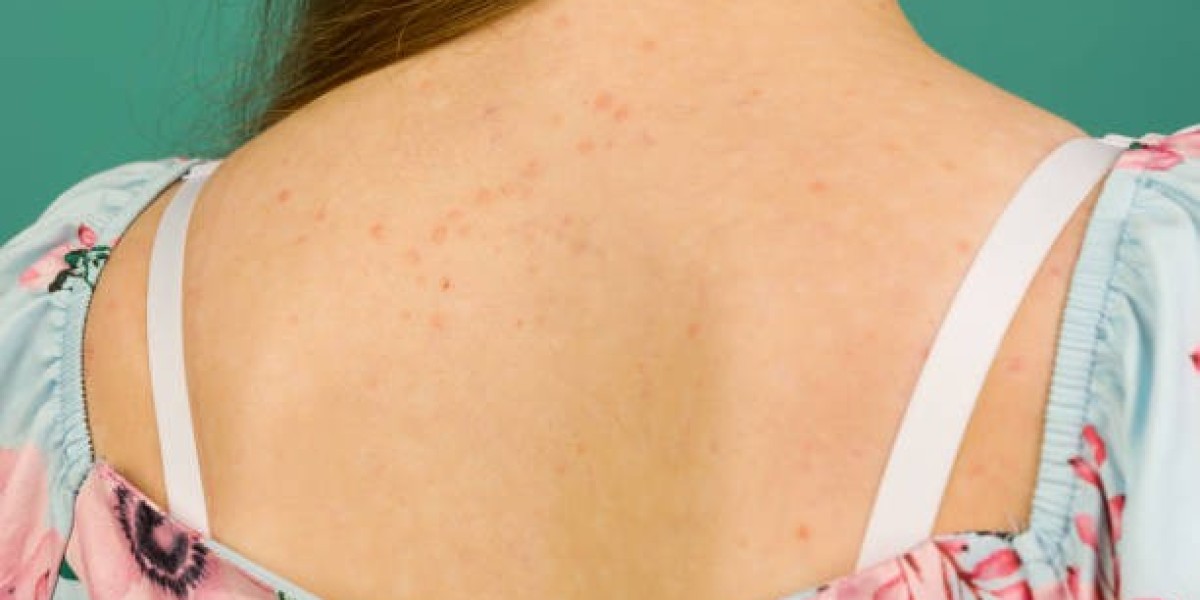

You cleanse diligently, apply your treatments, and stay consistent—yet your back keeps breaking out along the bra line, waistband, or wherever fabric sits snugly against your skin. This pattern is not coincidence. Tight clothing creates a perfect storm for back acne: friction, trapped sweat, heat, and reduced airflow. Understanding How to Treat Back Acne when tight clothes trigger flare-ups means addressing what you wear with the same attention you give your skincare routine.
Why Tight Clothing Causes Back Acne
Friction and Follicle Irritation
Constant rubbing against the skin irritates hair follicles, causing a condition called acne mechanica. This develops specifically where clothing, straps, or waistbands press and move against the body.
Trapped Sweat and Heat
Tight garments create an occlusive layer that prevents sweat from evaporating. Warm, moist skin becomes an ideal environment for bacterial multiplication and pore congestion.
Reduced Airflow
Breathable fabrics allow air circulation that keeps skin dry and calm. Tight synthetics block this entirely, trapping moisture and heat against the back for hours.
Pressure on Follicles
Sustained pressure from waistbands, sports bras, and fitted tops can block follicles mechanically, leading to congestion even without excessive sweating.
Bacterial Transfer
Clothing that sits against the skin absorbs oil, sweat, and bacteria. When worn again without washing, those organisms transfer directly back onto freshly cleansed skin.
Why This Matters
Anyone researching How to Treat Back Acne should recognise that fabric choices are a genuine treatment consideration, not a minor detail.
Identifying Your Clothing Triggers
Note Where Breakouts Appear
Breakouts concentrated along the bra line, waistband, shoulder straps, or spine suggest clothing-related irritation rather than a generalised acne pattern.
Track Timing
If breakouts worsen after wearing specific garments, the connection becomes clear. Keep a simple log for a few weeks.
Consider Activity Level
Tight clothing during exercise is far more problematic than tight clothing worn briefly while seated.
Assess Fabric Type
Synthetic blends trap heat, while natural fibres and technical moisture-wicking fabrics allow better airflow.
Evaluate Fit
Garments that leave marks on the skin when removed are too tight, even if they feel comfortable while worn.
Why This Matters
Pattern recognition allows you to address the cause rather than treating symptoms indefinitely.
Choosing Skin-Friendly Fabrics
Cotton for Everyday Wear
Cotton is breathable, soft, and allows air circulation. It is an excellent choice for daily clothing and sleepwear.
Moisture-Wicking Technical Fabrics for Exercise
Modern synthetic blends designed for sport move sweat away from the skin rather than holding it. These outperform cotton during intense activity, which becomes heavy when wet.
Bamboo and Modal Blends
These fibres are soft, breathable, and gentle on sensitive or irritated skin. They suit people who react to rougher textures.
Linen in Warm Weather
Linen allows excellent airflow and dries quickly, making it ideal for humid conditions where sweating is unavoidable.
Avoid Tight Synthetics for Extended Wear
Polyester, nylon, and spandex blends worn tightly for hours trap moisture and heat. If worn, keep the duration short.
Why This Matters
Fabric choice determines whether sweat evaporates or sits against your skin. The difference is measurable within weeks.
Dressing Strategies That Reduce Flare-Ups
Choose Loose Fits Where Possible
Relaxed clothing reduces friction and allows airflow. This is especially important during healing periods when skin is most reactive.
Go Seamless in Friction Zones
Seams along the bra line and waistband create concentrated pressure points. Seamless designs reduce this mechanical irritation significantly.
Avoid Underwire During Flare-Ups
Underwire bras press against the ribcage and back, worsening irritation. Soft, wire-free options are kinder during active breakouts.
Choose High-Waisted or Low-Rise Thoughtfully
Waistbands sitting directly across breakout-prone areas concentrate friction. Adjusting where the band rests can reduce irritation.
Rotate Outfits Frequently
Avoid wearing the same garment repeatedly without washing. Rotation reduces bacterial exposure and gives fabrics time to be properly cleaned.
Change Out of Workout Clothes Immediately
Sweaty, tight clothing left against the skin for even thirty minutes increases breakout risk considerably.
Why This Matters
Simple adjustments to fit and construction reduce mechanical irritation without requiring new skincare products.
Skincare Adjustments for Clothing-Related Acne
Gentle Cleansing After Removing Tight Garments
Cleanse promptly to remove sweat and bacteria that accumulated beneath the fabric. Use lukewarm water and a mild, fragrance-free cleanser.
Use Leave-On Treatments Consistently
Salicylic acid, azelaic acid, or adapalene applied across the back address congestion that friction creates. A Back acne treatment plan relies on leave-on actives rather than scrubbing.
Avoid Physical Scrubbing
Friction-related acne worsens with aggressive exfoliation. Chemical exfoliation clears pores without adding mechanical irritation.
Moisturise With Lightweight Formulas
A non-comedogenic lotion supports the barrier and reduces reactivity to friction. Hydrated skin tolerates irritation better.
Protect High-Friction Zones
In areas where straps or bands rub consistently, a thin layer of non-comedogenic protective balm can reduce friction damage.
Why This Matters
Treating friction-related acne requires reducing mechanical irritation alongside consistent topical care.
Laundry and Garment Hygiene
Wash After Every Wear
Workout clothing should be washed after a single use. Everyday garments worn against the back should be washed frequently, especially during warmer months.
Use Fragrance-Free Detergent
Scented detergents leave residue that irritates skin. Fragrance-free, dye-free formulas are safer for acne-prone backs.
Skip Fabric Softener Entirely
Softener leaves a waxy residue on fibres that transfers to skin and clogs pores. Removing it from your routine often produces noticeable improvement.
Add an Extra Rinse Cycle
An additional rinse removes residual detergent from clothing. This is especially helpful for people with sensitive or reactive skin.
Dry Clothing Completely
Damp garments encourage bacterial and fungal growth. Ensure clothing is fully dry before wearing, particularly in humid climates.
Clean Bras and Straps Regularly
Bras, sports bras, and bag straps contact the back directly. Wash them frequently and replace worn items with rough edges.
Why This Matters
Those refining How to Treat Back Acne often overlook how much straps and laundry habits contribute to their breakouts.
Lifestyle Habits That Support Clear Skin
Shower Promptly After Sweating
Prompt rinsing removes sweat and bacteria before they cause congestion. When showering immediately is impossible, change clothes and wipe the area with a gentle cleansing wipe.
Keep a Spare Shirt Available
Carry a clean, loose shirt for after workouts or long commutes in warm weather. Changing out of damp clothing quickly prevents prolonged exposure.
Choose Sleepwear Carefully
Loose cotton sleepwear reduces friction during the hours your skin repairs. Avoid tight synthetic pajamas that trap heat overnight.
Wash Bedding Weekly
Sheets and pillowcases collect oil and bacteria. Hot water and fragrance-free detergent keep them skin-friendly.
Manage Heat and Humidity
In hot climates, choose lighter fabrics and shower more frequently. Adjusting to environmental conditions prevents predictable flare-ups.
Why This Matters
Clothing-related acne responds to a combination of fabric choices, hygiene habits, and prompt post-sweat care.
When to Seek Professional Help
Persistent Breakouts Despite Changes
If breakouts continue after twelve weeks of adjusted clothing, hygiene, and skincare, professional assessment is appropriate.
Deep or Painful Lesions
Nodular acne requires prescription treatment and carries higher scarring risk. Early intervention protects skin texture.
Scarring From Repeated Friction
Chronic friction acne can leave thickened, discolored marks. Professional treatment for texture becomes relevant once active breakouts are controlled.
Customized Guidance
A Back acne treatment plan for clothing-triggered breakouts should account for your specific wardrobe, activities, and skin type. Dermatologists can tailor recommendations accordingly.
Final Thoughts: Dress for Clearer Skin
Tight clothing is a mechanical trigger that skincare alone cannot override. Breathable fabrics, looser fits, prompt changing after sweating, and rigorous laundry hygiene eliminate much of the friction, heat, and bacteria that drive these breakouts. Understand How to Treat Back Acne as a whole-lifestyle effort, and your wardrobe becomes part of the solution rather than part of the problem.
For those seeking expert guidance and customized aesthetic care, you can book an appointment consultation at the 'Enfield Royal Riyadh( إنفيلد رويال الرياض ) .
FAQs
Can tight clothes really cause back acne?
Yes, friction, trapped sweat, heat, and pressure from tight garments frequently trigger or worsen breakouts.
What fabric is best for back acne?
Breathable cotton for everyday wear and moisture-wicking technical fabrics during exercise.
Should I stop wearing tight clothes entirely?
Not necessarily, but limit wear duration, choose looser fits, and change out of damp garments promptly.
Does fabric softener affect back acne?
Yes, it leaves pore-clogging residue on clothing, so skipping it often improves skin noticeably.
How often should I wash clothes touching my back?
Wash workout clothing after every wear and everyday garments frequently, especially in warm weather.