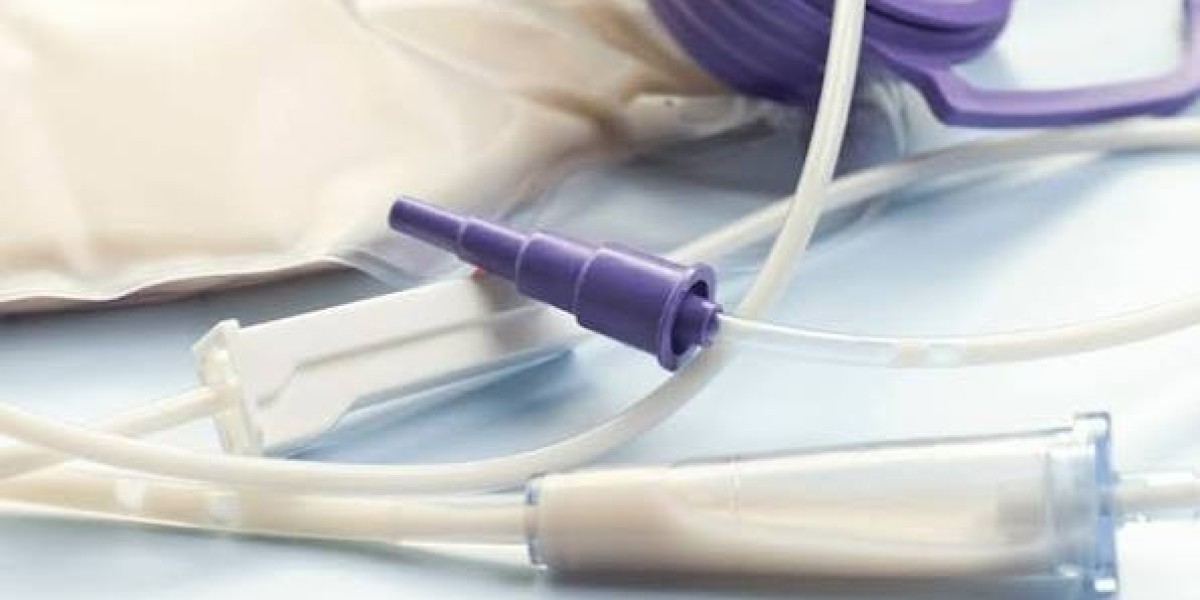

Creating a consistent tube feeding routine can help patients receive the nutrition and hydration they need while making daily caregiving more manageable. For families considering Tube feeding at home in Dubai, establishing a safe, comfortable, and well-organized routine is an important part of home care. With appropriate medical guidance, caregivers can develop habits that support feeding, tube care, hygiene, and patient comfort. Doctor at Home services may also provide convenient professional support when patients require clinical assessment without leaving their home. Every feeding routine should be based on the patient’s individual medical needs and the instructions provided by their healthcare team.
Understand the Patient’s Feeding Plan:
Before starting a home tube feeding routine, caregivers should understand exactly what has been prescribed. The feeding plan may include the type and amount of formula, feeding frequency, feeding rate, water requirements, medication instructions, and tube-care procedures. Following the prescribed plan consistently is important because nutritional requirements vary from one patient to another. Caregivers should avoid changing the formula, feeding volume, or feeding speed without consulting the appropriate healthcare professional. Keeping the instructions written in an easily accessible place can make daily care simpler and reduce confusion, especially when multiple family members participate in caregiving.
Create a Consistent Feeding Schedule:
A predictable schedule can make tube feeding more comfortable for both patients and caregivers. Depending on the medical plan, feeds may be provided at specific intervals, through bolus feeding, or continuously with a feeding pump. Establishing regular times can make it easier to coordinate feeding with medications, rest, personal care, and other daily activities. A simple schedule can include:
Feeding times and prescribed amounts
Water flushes
Medication times
Tube-care activities
Equipment cleaning
Symptom and tolerance monitoring
Consistency can also help caregivers notice changes in appetite, digestion, energy, hydration, or feeding tolerance that may need to be discussed with the healthcare team.
Prepare a Comfortable Feeding Environment:
Patient comfort should be considered before every feeding session. Choose a clean, quiet, and comfortable area where the patient can remain appropriately positioned throughout the feeding. The patient’s position should follow the instructions provided by their healthcare professional, as proper positioning can help reduce the risk of complications. Keep feeding supplies within easy reach so caregivers do not need to leave the patient unattended unnecessarily. Maintaining a calm environment may also be particularly helpful for patients who feel anxious about tube feeding. A comfortable chair, supportive pillows, appropriate lighting, and a stable feeding surface can make the routine easier to manage.
Practice Good Hygiene During Feeding:
Good hygiene is an essential part of safe tube feeding at home. Caregivers should wash their hands thoroughly before handling the tube, formula, feeding equipment, or medication. Feeding equipment should be handled and cleaned according to the manufacturer’s instructions and the healthcare team’s recommendations. Formula should be stored and handled appropriately, while opened products should not be kept longer than recommended. Caregivers should also keep the area around the feeding tube clean and regularly check the skin for redness, swelling, discharge, irritation, or other changes. Maintaining a clean routine can help reduce avoidable problems and support overall patient safety.
Keep the Feeding Tube Secure:
A feeding tube should be handled carefully to prevent accidental pulling, movement, or damage. Caregivers should learn how the specific tube is secured and understand what to do if it becomes loose or appears displaced. Avoid unnecessary tension on the tube during clothing changes, bathing, repositioning, or movement. Patients who are mobile may need additional strategies to keep tubing organized and away from areas where it could become caught. Caregivers should never attempt unfamiliar tube adjustments or replacements unless they have been specifically trained to do so. If the tube appears displaced, damaged, or accidentally comes out, professional medical advice should be sought promptly.
Flush the Tube as Instructed:
Tube flushing is commonly incorporated into a feeding routine to help maintain tube function. The healthcare team should provide specific instructions about the appropriate fluid, amount, and timing for flushing because recommendations can differ depending on the patient and tube type. Flushing may be required around feeding and medication administration, but caregivers should follow the individualized plan rather than relying on a general schedule. If resistance is encountered, caregivers should not force fluid through the tube. A healthcare professional should be contacted for guidance when a tube appears blocked or cannot be flushed safely.
Manage Medications Carefully:
Medication administration through a feeding tube requires careful attention. Not all medications can be crushed, diluted, or administered through every type of feeding tube. Some medicines may interact with feeding formulas, while others may be unsuitable for alteration. Caregivers should ask the patient’s doctor or pharmacist how each medication should be given and whether it requires a specific preparation method. Keeping medications organized and documenting administration times can reduce the possibility of missed or duplicated doses. When several medications are prescribed, a written medication schedule can make the routine easier for caregivers to follow.
Monitor Feeding Tolerance:
Every patient responds differently to tube feeding, so caregivers should pay attention to changes in tolerance. Symptoms such as nausea, vomiting, abdominal discomfort, bloating, diarrhea, constipation, coughing, or unusual fatigue may need to be discussed with the healthcare team, particularly when they are persistent or severe. Keeping a daily record can help identify patterns and provide useful information during follow-up appointments. Caregivers may track:
Feeding times and amounts
Water intake or prescribed flushes
Medication administration
Vomiting or nausea
Bowel movements
Abdominal discomfort or bloating
Changes in weight or general condition
Caregivers should not independently reduce or increase feeds to manage persistent symptoms without professional guidance.
Make the Routine Easier for Caregivers:
A successful tube feeding routine should also consider the needs of the person providing care. Organizing supplies in one dedicated location can save time and make essential items easier to find. Creating a checklist for feeding, flushing, medications, cleaning, and tube-site care can help prevent missed steps. If more than one caregiver is involved, everyone should understand the same routine and know where the patient’s feeding instructions are kept. Doctor at Home support may be appropriate when professional home-based assessment is needed, particularly when caregivers have concerns that cannot be safely managed through routine home care alone.
Know When to Seek Medical Assistance:
Caregivers should know which symptoms require routine medical advice and which may require urgent attention. Significant breathing difficulties, severe abdominal pain, substantial bleeding, severe dehydration, repeated vomiting, suspected aspiration, or an accidentally displaced tube can require prompt professional assessment. Signs of infection around the tube site, such as increasing redness, swelling, warmth, pain, or unusual discharge, should also be reported. When in doubt, caregivers should contact the patient’s healthcare team rather than attempting procedures they have not been trained to perform. Doctor at Home may offer a convenient option for suitable non-emergency clinical assessments, while serious or life-threatening symptoms require emergency medical services.
Final Thoughts
A safe and comfortable tube feeding routine is built around consistency, hygiene, patient comfort, careful monitoring, and professional guidance. Families managing tube feeding at home should understand the prescribed feeding plan, maintain an organized schedule, handle equipment carefully, and watch for changes in the patient’s condition. For those seeking Tube feeding at home in Dubai, professional guidance can help caregivers feel more confident about establishing an appropriate daily routine. With preparation and reliable support, tube feeding can become a manageable part of everyday home care while keeping the patient’s nutritional needs, comfort, and safety at the center of the process.