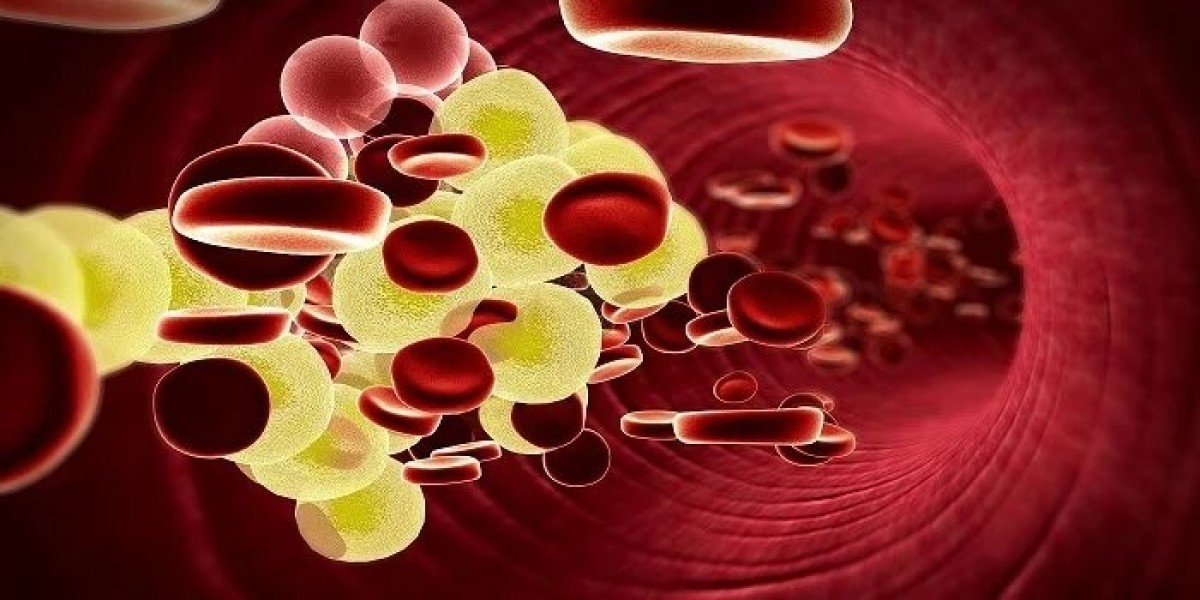

Anemia is a common blood condition that can affect energy levels, concentration, physical performance, and overall well-being. It develops when the body does not have enough healthy red blood cells or sufficient hemoglobin to carry oxygen effectively to tissues. Iron deficiency is one of the most common causes of anemia, although other nutritional deficiencies, chronic illnesses, blood loss, and inherited conditions can also contribute.
For people experiencing persistent tiredness, weakness, dizziness, shortness of breath, or pale skin, understanding the underlying cause is important rather than assuming that the symptoms are simply related to lifestyle. Anemia in Dubai can be evaluated through appropriate medical assessment and laboratory testing, allowing treatment to be directed toward the specific cause.
What Is Anemia?
Anemia occurs when the blood does not have enough healthy red blood cells or hemoglobin to adequately transport oxygen around the body. Because oxygen is essential for normal cellular function, anemia can affect multiple aspects of daily life.
The symptoms can vary depending on how severe the anemia is and how quickly it develops. Some people may experience fatigue and reduced stamina, while others may notice headaches, dizziness, weakness, shortness of breath during physical activity, or difficulty concentrating.
There are different types of anemia. Iron-deficiency anemia occurs when the body does not have enough iron to produce adequate hemoglobin. Other forms can result from vitamin B12 or folate deficiency, chronic disease, blood loss, inherited blood disorders, or problems affecting red blood cell production.
This is why a proper evaluation is important before starting treatment.
Understanding Iron Deficiency
Iron is an essential mineral required for hemoglobin production. Hemoglobin is the protein in red blood cells responsible for carrying oxygen from the lungs to the rest of the body.
When iron stores become too low, the body may initially use its stored iron to maintain normal red blood cell production. If the deficiency continues, hemoglobin production can eventually decrease, resulting in iron-deficiency anemia.
People can develop iron deficiency for different reasons. Inadequate dietary iron intake, increased requirements during certain stages of life, heavy menstrual bleeding, gastrointestinal blood loss, and problems absorbing iron can all contribute.
Identifying why iron levels are low is particularly important because simply taking iron supplements may not address the underlying cause.
Common Symptoms of Anemia
Symptoms of Anemia in Dubai can differ from one person to another. Mild anemia may cause few noticeable symptoms, while more significant anemia can affect everyday activities.
Common symptoms may include persistent tiredness, weakness, reduced exercise tolerance, dizziness, headaches, pale skin, cold hands and feet, and shortness of breath during exertion. Some people with iron deficiency may also experience unusual cravings for non-food substances, brittle nails, or changes in hair.
Because many of these symptoms can occur with other health conditions, they should not automatically be attributed to anemia. Medical evaluation and appropriate testing can help determine whether anemia or another condition is responsible.
How Is Anemia Diagnosed?
Diagnosis generally begins with a medical history and physical examination followed by blood testing when appropriate. A complete blood count can provide information about hemoglobin levels and red blood cell characteristics.
When iron deficiency is suspected, additional tests may be used to assess iron stores and iron availability. Depending on the patient's symptoms and medical history, a doctor may investigate potential sources of blood loss or other possible causes of anemia.
For individuals searching for an Anemia in Dubai, discussing symptoms and medical history with a qualified physician can help determine which investigations are appropriate.
Testing is particularly important because different forms of anemia require different treatments. Treating the wrong cause may delay appropriate care.
Anemia Treatment in Dubai
Anemia Treatment in Dubai depends on the underlying cause, severity of the condition, and the patient's individual circumstances.
For confirmed iron-deficiency anemia, treatment may involve increasing dietary iron and using iron supplementation when medically appropriate. The form and dose of supplementation depend on the individual's needs. Some people may require oral iron, while intravenous iron can be considered in certain circumstances when oral treatment is unsuitable, ineffective, or insufficient.
However, iron supplementation should not be taken routinely without appropriate assessment. Excess iron can also be harmful, and anemia is not always caused by iron deficiency.
When blood loss is responsible for low iron levels, identifying and addressing the source is an important part of management. For example, persistent heavy menstrual bleeding or gastrointestinal blood loss may require additional medical evaluation.
Diet and Iron Intake
Diet can play an important role in maintaining adequate iron levels. Iron-containing foods include meat, poultry, seafood, beans, lentils, leafy green vegetables, fortified cereals, and other iron-rich foods.
There are two major dietary forms of iron. Heme iron, found mainly in animal-based foods, is generally absorbed more efficiently than non-heme iron from plant foods.
Vitamin C can improve the absorption of non-heme iron when consumed as part of the same meal. At the same time, certain dietary components can reduce iron absorption, so overall dietary patterns can be relevant when managing iron deficiency.
Dietary changes may support iron status, but established iron-deficiency anemia may require medical treatment depending on its severity and cause.
Who Is at Greater Risk of Iron-Deficiency Anemia?
Some individuals have a higher risk of developing iron deficiency. People with heavy menstrual periods may lose significant amounts of iron over time. Pregnancy can also increase iron requirements because the body needs additional iron to support increased blood volume and fetal development.
Children and adolescents may have increased iron requirements during periods of rapid growth. People following restrictive diets, individuals with certain gastrointestinal conditions, and those experiencing ongoing blood loss may also be at increased risk.
Recognizing risk factors can help healthcare professionals decide whether additional testing is appropriate.
Managing Anemia Through Follow-Up Care
Managing Anemia in Dubai is not always limited to starting treatment. Follow-up can be important for determining whether hemoglobin and iron levels are improving and whether symptoms are resolving.
When iron supplements are prescribed, taking them according to medical instructions is important. Some people experience gastrointestinal side effects from oral iron, which can affect adherence. A physician may adjust the treatment approach when necessary.
Follow-up testing can help determine whether treatment is working and whether iron stores have been adequately replenished. If anemia does not improve as expected, additional investigation may be necessary to reconsider the diagnosis, treatment response, absorption, or an ongoing source of blood loss.
When Should You See an Anemia Doctor?
Persistent fatigue, unexplained weakness, recurrent dizziness, shortness of breath, or other symptoms associated with anemia should be evaluated rather than self-treated.
An Anemia Doctor in Dubai can assess the patient's symptoms, medical history, risk factors, and available laboratory results to determine the next appropriate steps.
Urgent medical attention may be necessary when symptoms are severe, especially when there is significant difficulty breathing, chest pain, fainting, heavy bleeding, or other concerning symptoms.
Frequently Asked Questions
What is the most common cause of iron-deficiency anemia?
Iron deficiency can result from insufficient dietary intake, increased iron requirements, reduced absorption, or ongoing blood loss. The underlying cause varies between individuals and should be evaluated medically.
What are common symptoms of anemia?
Common symptoms can include fatigue, weakness, dizziness, headaches, pale skin, reduced exercise tolerance, and shortness of breath. Some people may have few or no symptoms when anemia is mild.
How is Anemia in Dubai diagnosed?
Anemia in Dubai can be evaluated through medical history, physical assessment, and blood tests such as a complete blood count. Additional testing may be used to determine whether iron deficiency or another cause is responsible.
Can diet alone treat iron-deficiency anemia?
A diet containing adequate iron can help maintain healthy iron levels, but established iron-deficiency anemia may require supplementation or other medical treatment. The appropriate approach depends on the severity and cause of the deficiency.
How long does anemia treatment take?
The timeframe varies according to the cause and severity of anemia and the individual's response to treatment. Follow-up blood tests may be used to monitor improvement and iron stores.
Should I take iron supplements without testing?
It is generally better to determine the cause of anemia and confirm iron deficiency before taking iron supplements. Not all anemia is caused by low iron, and unnecessary iron supplementation can be harmful.
Conclusion
Anemia in Dubai can result from iron deficiency and several other conditions, making accurate diagnosis an important part of effective management. Recognizing symptoms such as persistent fatigue, weakness, dizziness, or reduced exercise tolerance can encourage timely medical evaluation.
For individuals diagnosed with iron deficiency, Anemia Treatment in Dubai may involve dietary changes, medically appropriate iron supplementation, investigation of underlying blood loss, and follow-up testing. Working with an Anemia Doctor in Dubai can help ensure that treatment addresses the underlying cause rather than only the symptoms.
With appropriate evaluation, individualized treatment, and ongoing monitoring, iron deficiency and many forms of anemia can be managed effectively while supporting overall health and daily well-being