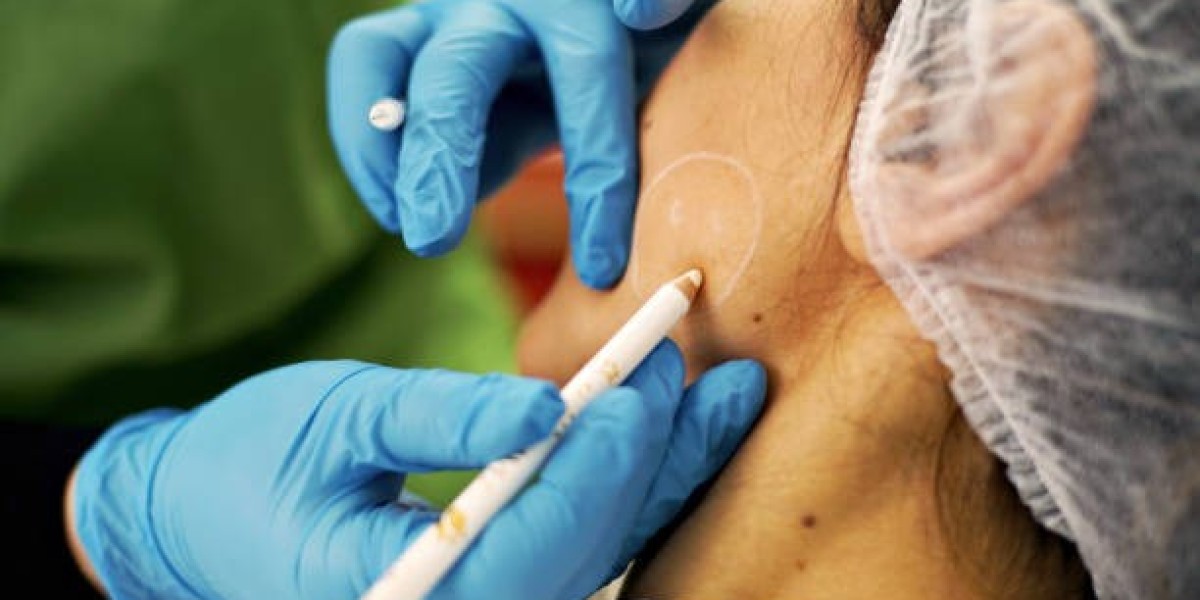

Mole removal can provide a long-lasting result, but in some situations, mole-like tissue may appear again in the same area. Whether this happens depends on the type of mole, how deeply it was removed, and the technique used. For anyone researching Cost of mole removal in Riyadh (تكلفة إزالة الشامة في الرياض), understanding why a mole may appear to return can help you know when follow-up with a dermatologist is appropriate.
Can a Mole Really Grow Back?
Some moles can recur after removal, particularly when cells from the original mole remain beneath the skin. This does not necessarily mean that the procedure was performed incorrectly. Certain removal methods intentionally treat only the more superficial portion of a lesion, which can allow deeper pigment-producing cells to remain.
A dark spot or pigmentation that develops at the treatment site may also have other causes. It is not always possible to determine whether a lesion has truly returned simply by looking at it.
Why Can Moles Reappear?
The depth and characteristics of the mole can influence the possibility of recurrence. A mole that extends deeper into the skin may be more likely to show residual pigmentation after a superficial removal.
Shave Excision
Shave excision removes selected raised moles from the surface of the skin. Because the procedure may not remove every deeper cell, some moles can recur or develop pigmentation in the treated area.
Surgical Excision
Surgical excision removes the mole more completely and may include a margin of surrounding tissue. Stitches are commonly used to close the wound. Recurrence can still occur in some circumstances, although the likelihood depends on the individual lesion and procedure.
Is a Reappearing Mole Always Concerning?
A recurring pigmented area should not automatically be assumed to be dangerous, but it should not be ignored either. Changes in a previously treated area can have several explanations, including residual mole cells, scar-related pigmentation, or a new skin lesion.
If pigmentation returns or changes after removal, a dermatologist can examine the area and determine whether further evaluation is appropriate.
What Should You Do If a Mole Returns?
If you notice a new dark spot, raised area, or changing pigmentation where a mole was previously removed, arrange a professional skin assessment. Avoid trying to remove the area again yourself.
A dermatologist may examine the site visually and with dermoscopy. If the appearance is concerning or unclear, additional testing, including biopsy or laboratory examination, may be recommended.
How Can Recurrence Be Monitored?
Keeping track of changes in the treated area can be useful. Pay attention to changes in color, size, shape, texture, bleeding, crusting, or persistent itching.
It is also helpful to monitor your other moles. A changing mole does not automatically indicate a serious condition, but noticeable changes should be assessed by a qualified dermatologist rather than diagnosed at home.
Does the Removal Method Affect Recurrence?
The technique selected for mole removal can influence whether residual mole cells remain. The appropriate approach depends on factors such as the mole's appearance, depth, location, and whether the tissue needs microscopic examination.
For some lesions, a dermatologist may prefer a method that allows the entire lesion to be removed and examined. The treatment decision should be based on the individual mole rather than solely on the desire to avoid recurrence.
Can a Recurring Mole Be Removed Again?
In some cases, a dermatologist may recommend additional treatment if mole-like tissue returns. Before performing another removal, the area should be assessed to understand why the pigmentation or lesion has reappeared.
If there is uncertainty about the nature of the tissue, microscopic examination may be appropriate. Repeated removal without professional evaluation is not recommended.
Understanding Cost of mole removal in Riyadh
When considering Cost of mole removal in Riyadh, it is important to understand that mole removal is not simply about removing visible pigmentation. Professional assessment, selection of the appropriate technique, follow-up, and monitoring can all be important parts of responsible treatment.
Book an Appointment at Royal Clinic Saudia
If you notice a mole-like area returning after removal, Royal Clinic Saudia (عيادات رويال كلينك) can provide a professional dermatological assessment. A consultation can help determine whether the change represents recurrence, scar-related pigmentation, or another skin concern and whether further evaluation is appropriate.
FAQs:
Can a mole grow back after it has been removed?
Yes. Some moles can recur when cells from the original lesion remain beneath the skin, particularly after certain superficial removal techniques.
Is a recurring mole always dangerous?
No. Recurrence can have several explanations, and a returning pigmented area does not automatically indicate a serious condition. However, changes should be assessed by a dermatologist.
Should I remove a mole again if it grows back?
Do not attempt to remove it yourself. Have the area professionally examined first so the dermatologist can determine the appropriate next step.
How can I tell if a mole has returned?
A new pigmented spot or raised area at the previous treatment site may indicate recurrence, but scar pigmentation and other changes can look similar. A dermatologist can use clinical examination and dermoscopy to assess the area.