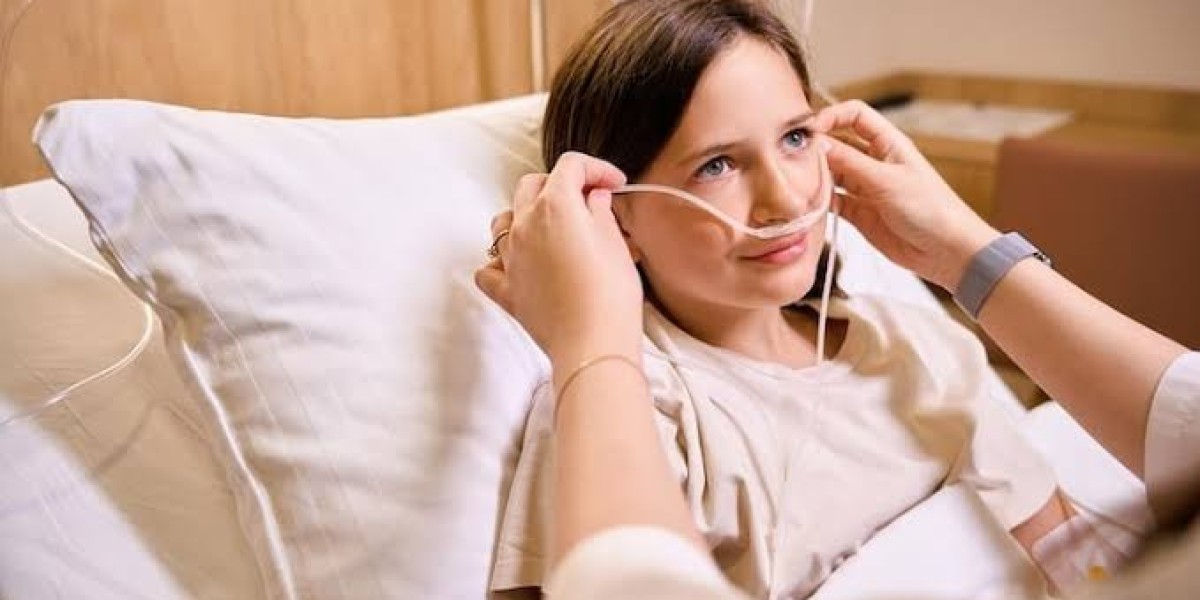

Breathing difficulties can affect sleep, mobility, energy, and the ability to complete everyday activities comfortably. For patients who have been medically assessed and prescribed supplemental oxygen, Oxygen Therapy At Home In Dubai can provide respiratory support in a familiar and convenient environment. With support from Doctor at Home, patients may receive appropriate guidance while managing their prescribed oxygen routine at home. Understanding how oxygen therapy works and how it can fit into daily life can help patients and caregivers create a safer and more comfortable care routine.
What Is Oxygen Therapy at Home?:
Oxygen therapy at home is the use of supplemental oxygen through prescribed medical equipment when a person's blood oxygen level is lower than medically appropriate. The oxygen is delivered through devices such as a nasal cannula, oxygen mask, oxygen concentrator, or cylinder, depending on the patient's prescription and individual requirements. The healthcare professional determines the appropriate oxygen flow rate, duration, and delivery method. Patients should not begin oxygen therapy or change their prescribed settings without professional medical advice because oxygen requirements can vary significantly between individuals.
How Supplemental Oxygen Supports Breathing:
The body's organs and tissues require oxygen to function properly. When a medical condition prevents the lungs from providing sufficient oxygen to the bloodstream, supplemental oxygen may help increase the amount of oxygen available for the body to use. Oxygen therapy does not treat every underlying cause of breathing difficulty, but it can provide necessary support for patients who have been prescribed it for low blood oxygen levels. Regular use according to the medical plan can help patients maintain their prescribed oxygen levels and manage their respiratory needs more effectively.
How Oxygen Therapy Can Improve Daily Comfort:
Patients with inadequate oxygen levels may experience symptoms such as tiredness, reduced activity tolerance, or breathlessness. When supplemental oxygen is medically indicated, maintaining the prescribed oxygen level may support greater comfort during appropriate daily activities. Some patients may find it easier to perform simple tasks, rest, or participate in recommended activities when their oxygen needs are properly managed. The effect varies according to the patient's condition, so expectations should be based on individual medical advice rather than assuming oxygen therapy will produce the same results for everyone.
Oxygen Therapy and Energy Levels:
Low oxygen levels can contribute to fatigue in people with certain medical conditions. Supplemental oxygen may help patients who have documented low blood oxygen levels receive the additional oxygen prescribed by their healthcare provider. This can support normal body functions and may make certain activities feel more manageable. However, oxygen should not be considered a general energy booster for people without a medical need. Patients should use it only according to their healthcare professional's instructions and report persistent fatigue or worsening symptoms for appropriate evaluation.
Supporting Better Sleep and Rest:
Some patients may require oxygen therapy while sleeping because their oxygen levels can change during the night. If a healthcare professional has prescribed nighttime oxygen, following the recommended schedule can help provide respiratory support during rest. Patients and caregivers should ensure that tubing is positioned safely and that the equipment is functioning properly before bedtime. Any significant changes in nighttime breathing, sleep quality, morning symptoms, or oxygen readings should be discussed with the patient's healthcare provider.
Who May Benefit From Home Oxygen Therapy?:
Home oxygen therapy may be prescribed for patients with specific medical conditions that result in low blood oxygen levels. The decision is generally based on clinical assessment, oxygen saturation measurements, medical history, and other relevant factors. Some patients may need oxygen temporarily during recovery, while others may require longer-term support.
People who may be assessed for home oxygen therapy include:
- Patients with certain chronic respiratory conditions
- Individuals experiencing medically confirmed low oxygen levels
- Some patients recovering from serious respiratory illnesses
- People with particular heart or lung conditions
- Patients whose healthcare provider has specifically prescribed supplemental oxygen
Common Oxygen Delivery Options at Home:
The equipment used for home oxygen therapy depends on the patient's prescription and lifestyle requirements. Oxygen concentrators extract oxygen from surrounding air and provide a continuous supply when connected to a power source. Oxygen cylinders contain stored oxygen and can be used according to the prescribed requirements. Nasal cannulas deliver oxygen through small tubes placed near the nostrils, while oxygen masks may be used when specifically recommended. Patients and caregivers should learn how their equipment operates and follow the manufacturer's instructions.
Making Oxygen Therapy More Comfortable:
Comfort is an important part of maintaining a consistent oxygen routine. Patients may experience irritation around the nose, ears, or cheeks from prolonged use of a nasal cannula. Proper positioning and regular equipment care can help reduce unnecessary discomfort. Tubing should also be arranged carefully to minimize the risk of tripping or becoming tangled. Patients experiencing persistent dryness, irritation, headaches, unusual discomfort, or other concerns should speak with a healthcare professional before making changes to their oxygen routine.
The Role of Caregivers in Daily Oxygen Support:
Caregivers can help patients follow their prescribed oxygen schedules and maintain a safe home environment. They may assist with checking equipment, organizing supplies, recording relevant observations, and ensuring that oxygen is used according to medical instructions. Caregivers should also understand basic safety precautions and know when professional assistance is required. They should never independently increase, decrease, or discontinue prescribed oxygen unless specifically directed by a qualified healthcare professional.
Monitoring Oxygen Levels at Home:
A pulse oximeter may be recommended for some patients who need to monitor oxygen saturation at home. The device uses a sensor, commonly placed on a fingertip, to provide an oxygen saturation reading and pulse rate. Readings can sometimes be affected by movement, cold hands, poor circulation, nail products, or incorrect sensor placement. Patients should follow the monitoring instructions provided by their healthcare professional and understand which readings or symptoms require medical attention.
Important observations may include:
- Oxygen saturation readings when instructed
- Changes in breathing difficulty
- Unusual tiredness or weakness
- Changes in alertness or concentration
- Increased breathlessness during normal activities
- New or worsening respiratory symptoms
Oxygen Safety in the Home:
Oxygen can increase the intensity of combustion, making fire prevention especially important. Smoking, candles, open flames, and other ignition sources should be kept away from oxygen equipment. Oxygen equipment should be stored and operated according to professional and manufacturer instructions. Electrical equipment used near oxygen should also be handled carefully, and damaged tubing or equipment should not be used. Everyone in the household should understand basic oxygen safety rules.
Oxygen Therapy and Physical Activity:
Patients receiving oxygen therapy may still be able to perform suitable activities depending on their health condition and medical recommendations. Some individuals may be prescribed portable oxygen equipment to support mobility. Physical activity should be introduced or maintained according to the healthcare provider's advice, particularly for patients with significant respiratory limitations. Patients should stop activity and seek appropriate medical guidance if they develop severe breathlessness, chest discomfort, dizziness, confusion, or other concerning symptoms.
Benefits of Professional Oxygen Support at Home:
Professional home healthcare can provide additional support for patients who need assistance managing their prescribed oxygen routine. Healthcare professionals can help patients and caregivers understand equipment use, observe changes in the patient's condition, and reinforce safe practices. Home-based support can be particularly useful for people with limited mobility, older adults, patients recovering after hospitalization, or families who need additional assistance with ongoing respiratory care. Professional support should complement, rather than replace, the patient's established medical care plan.
When to Seek Medical Attention:
Oxygen therapy should not delay emergency medical care when serious symptoms occur. Patients and caregivers should understand the warning signs that require urgent evaluation. Severe or sudden breathing difficulty, chest pain, significant confusion, loss of consciousness, or a sudden deterioration in overall condition may require emergency medical attention. A healthcare provider should also be contacted when symptoms gradually worsen, equipment problems occur, or the prescribed oxygen routine becomes difficult to follow.
Building a Consistent Home Oxygen Routine:
A structured routine can help patients manage oxygen therapy safely and comfortably. Keeping equipment in an organized location, checking supplies regularly, following the prescribed schedule, and recording relevant observations can make daily care easier. Caregivers can create a simple checklist covering equipment checks, prescribed oxygen use, monitoring requirements, and scheduled medical appointments. Consistency is especially valuable for patients receiving oxygen over an extended period.
Final Thoughts:
Oxygen therapy can be an important component of respiratory support for patients who have medically confirmed oxygen needs. Oxygen Therapy At Home In Dubai provides an opportunity for eligible patients to receive prescribed supplemental oxygen within their home environment while maintaining an organized daily routine. Following the prescribed oxygen settings, maintaining equipment properly, practicing fire safety, monitoring relevant symptoms, and seeking professional guidance when needed can support safer home care. With appropriate medical supervision and caregiver involvement, home oxygen therapy can become an integrated part of a patient's overall respiratory care plan.