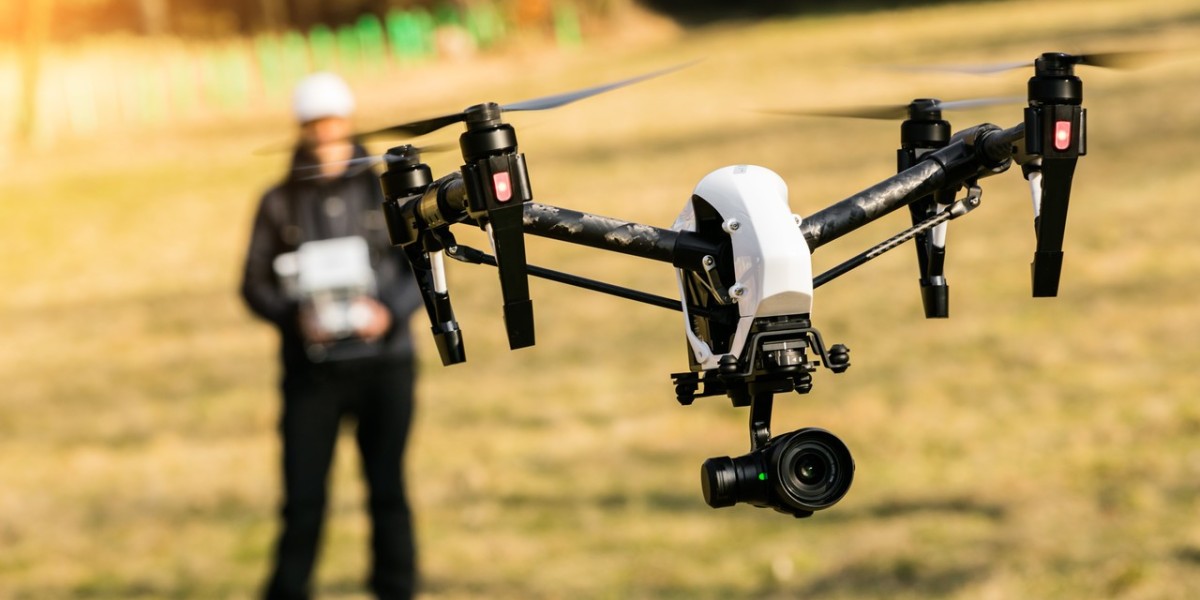

Drones have moved from being specialist aircraft used mainly by defence and research teams to becoming useful tools for photography, agriculture, surveying, infrastructure inspection, logistics, filmmaking and emergency response. As drone use has expanded, India has also built a more structured legal framework to regulate how these unmanned aircraft can be manufactured, registered, operated and flown.
India introduced the Drone Rules, 2021 to replace the earlier Unmanned Aircraft System Rules, 2021. The government described the new framework as a more liberalised system intended to reduce paperwork while maintaining safety and security requirements. The framework also introduced clearer classifications for drones, airspace zones and remote pilot requirements.
Why India's Drone Regulations Matter
The growth of consumer and commercial drones has created opportunities across several industries. Farmers can use drones for crop monitoring and spraying, construction companies can conduct site surveys, and infrastructure businesses can inspect large assets without sending workers into difficult locations.
At the same time, unrestricted drone flights can create risks around airports, military installations, government facilities and crowded public areas. A drone can interfere with aircraft operations or cause injury if it loses control.
This is why the drone rules in India focus on both encouraging legitimate drone use and controlling operations that could create safety or security concerns. The framework covers people who manufacture, import, operate, lease, trade or maintain drones in India, subject to the applicable exemptions and requirements.
The Directorate General of Civil Aviation, or DGCA, plays an important role in administering India's civil drone framework. Its current online systems provide services and information for drone users, pilots and related aviation activities.
Understanding Drone Classification
One of the first things a drone operator should understand is classification by weight. Under the Drone Rules, 2021, unmanned aircraft systems were divided into five categories according to their maximum all-up weight, including payload.
The categories are:
Nano: Up to 250 grams
Micro: More than 250 grams and up to 2 kilograms
Small: More than 2 kilograms and up to 25 kilograms
Medium: More than 25 kilograms and up to 150 kilograms
Large: More than 150 kilograms
The classification matters because different categories can be subject to different operational and pilot requirements. For example, the 2021 framework specifically exempted nano drones from the remote pilot licence requirement and also exempted micro drones when used for non-commercial purposes.
This means that a person buying a lightweight consumer drone should not automatically assume that the same requirements apply to a professional operator flying a much heavier aircraft.
Green, Yellow and Red Airspace Zones
Airspace classification is another important part of India's drone framework. The Drone Rules, 2021 introduced an interactive airspace map concept with green, yellow and red zones.
A green zone generally refers to airspace where drone operations are permitted subject to the applicable rules and altitude limitations. The 2021 framework defined green-zone airspace up to 400 feet, or 120 metres, above ground level where it was not designated as a red or yellow zone. It also included specific altitude provisions around operational airports.
A yellow zone represents controlled airspace where drone operations are restricted and permission from the relevant air traffic control authority may be required.
A red zone represents airspace where drone operations are prohibited unless specifically permitted by the appropriate authority.
For drone operators, checking the applicable airspace before every flight is therefore an essential safety step. The fact that a location looks open or isolated does not automatically mean that a drone can legally be flown there.
What the Drone Rules 2021 Changed
The introduction of the drone rules 2021 represented a major shift in India's approach to regulating unmanned aircraft.
The government stated that the earlier UAS Rules had been viewed by industry and other stakeholders as restrictive because they involved significant paperwork and permissions. The Drone Rules, 2021 were introduced to simplify the framework and reduce unnecessary approvals. The number of forms was reduced, security clearance requirements were removed for certain registrations and licences, and the regulatory framework was expanded to cover drones weighing up to 500 kilograms.
The rules also sought to support India's growing drone industry. Research and development activities received certain exemptions, while drone training and pilot licensing were brought into a more structured system.
This balance between commercial growth and aviation safety remains central to India's drone policy.
Remote Pilot Requirements
For many drone operations, the person controlling the aircraft must meet applicable remote pilot requirements. The Drone Rules, 2021 established a framework for remote pilot training organisations and remote pilot licensing.
Under the framework, eligible individuals could undergo prescribed training through an authorised Remote Pilot Training Organisation, commonly known as an RPTO. After successful completion of training and testing, the training organisation could issue the relevant remote pilot certificate through the Digital Sky platform, followed by the applicable licensing process.
The rules specified eligibility requirements that included being at least 18 years old, having passed Class 10 or an equivalent examination, and completing the prescribed training.
However, the requirements are not identical for every drone. Nano drones and micro drones used for non-commercial purposes received specific exemptions from the remote pilot licence requirement under the 2021 framework.
Anyone intending to fly commercially should therefore check the latest DGCA requirements rather than relying only on information from the year a drone was purchased.
Registration and Drone Identification
Registration and identification are important components of India's drone regulatory structure. The framework established mechanisms through which eligible unmanned aircraft could be registered and identified.
The Digital Sky platform was designed to provide a central digital interface for several drone-related processes, including registration, pilot-related services and airspace information.
For businesses, proper documentation is especially important. A commercial operator may need to maintain records relating to the aircraft, pilot, training, permissions and other applicable compliance requirements.
The regulatory environment has also evolved since 2021. The DGCA's current website shows that some drone-related processes and registrations can be subject to updated directions. For example, the DGCA currently states that registration of non-type-certified, or non-TC, UAS is temporarily suspended until further notice.
This is a good reminder that operators should verify current requirements before purchasing or deploying a drone.
Drone Operations for Commercial Businesses
Commercial drone use is expanding rapidly in areas such as construction, agriculture, real estate, mining, media and infrastructure.
A construction company, for example, may use drones to capture aerial imagery and monitor project progress. An agricultural business may use them to inspect fields and identify areas that require attention. Surveying companies can use drone imagery to produce maps and three-dimensional site information.
However, commercial value does not remove regulatory responsibility.
Businesses should establish an internal drone operating procedure covering aircraft condition, pilot qualifications, airspace checks, weather conditions, flight planning, data protection and emergency procedures.
Operators should also understand that drone safety is not simply about avoiding collisions. A flight can create privacy concerns if cameras capture people or property without appropriate consideration. Sensitive locations can also raise security concerns.
Common Mistakes New Drone Operators Make
Many problems occur because operators treat a drone like a consumer electronic device rather than an aircraft.
One common mistake is flying without checking the current airspace status. Another is assuming that a lightweight drone can be flown anywhere because it falls into a smaller weight category.
Some users also ignore local restrictions at public events, crowded locations, airports, government facilities or other sensitive areas.
Another mistake is failing to understand the difference between recreational and commercial activity. The exemptions available to certain small drones may depend on how the aircraft is being used.
Weather is another practical consideration. Strong winds, rain, poor visibility and other environmental conditions can make even a technically permitted flight unsafe.
Responsible operators should therefore consider three questions before every flight: Is the aircraft permitted for the intended operation? Is the location suitable and legally available for the flight? And can the flight be completed without creating an unreasonable risk to people, property or other aircraft?
Staying Compliant as Regulations Evolve
Drone regulation is not static. India's drone ecosystem has developed considerably since 2021, and requirements, digital processes and administrative procedures can change as the industry grows.
The DGCA continues to publish drone-related information, guidance and training material. Its current portal also provides access to eGCA services and other aviation-related resources.
For this reason, websites, social media posts and old articles should not be treated as the final authority on current compliance. Information published in 2021 may accurately describe the original framework but may not reflect later amendments, circulars or current administrative instructions.
The Drone Rules, 2021 have also been amended. For example, the Drone (Amendment) Rules, 2022 changed certain provisions relating to the remote pilot certificate and other requirements.
Businesses that depend heavily on drones should periodically review official DGCA information and maintain compliance records.
The Future of India's Drone Ecosystem
India's drone sector has significant potential because drones can reduce the time and cost involved in several physical inspection and data collection tasks. Their applications range from precision agriculture and infrastructure surveys to disaster response and industrial monitoring.
A clear regulatory system can help responsible companies invest with greater confidence while giving authorities the tools needed to manage aviation safety.
The long-term success of the sector, however, will depend on more than technology. Manufacturers, operators, pilots and businesses must treat compliance as part of normal drone operations rather than as an administrative burden.
The drone rules in India provide the basic framework, but responsible operation requires users to keep checking current DGCA requirements, understand their aircraft category, verify airspace restrictions and ensure that the person controlling the drone meets the applicable requirements.
Conclusion
India's drone regulations have developed alongside the rapid growth of unmanned aircraft technology. The Drone Rules, 2021 introduced a more simplified and structured framework covering classification, airspace, registration, certification, pilot training and operational requirements.
For consumers, the most important lesson is simple: owning a drone does not automatically mean that it can be flown anywhere. The weight of the aircraft, purpose of the flight, location, airspace category and applicable permissions can all affect what is legally permitted.
For businesses, compliance is even more important because repeated commercial operations require proper planning and documentation.
As the sector continues to develop, staying informed through official DGCA sources is the safest approach. The drone rules 2021 remain an important foundation for understanding India's regulatory framework, but operators should always verify the latest applicable requirements before conducting a flight. The DGCA itself advises users to verify information on its official website because regulatory information and procedures can change.










