
Why Herbal Hair Oil Belongs in a Simple Hair Care Routine
Hair often reflects our everyday routine. Busy workdays, pollution, frequent styling, changing weather, irregular meals and daily stress can make hair feel dry, rough or difficult to manage. A simple herbal hair oil routine can be a traditional way to give the scalp and hair regular care without making your routine complicated.
For many Indian households, hair oiling is more than a beauty habit. It is a familiar self-care practice that has been passed through generations and is often connected with relaxation, scalp massage and regular grooming.
At the same time, it is important to understand that a hair oil and a pain relief oil serve different purposes. pain relief oil is generally formulated for massage and care of areas such as muscles or joints, while a hair oil is intended for the scalp and hair. Choosing a product according to its intended use is an important part of sensible self-care.
What Is Herbal Hair Oil and How Can It Support Hair Care?
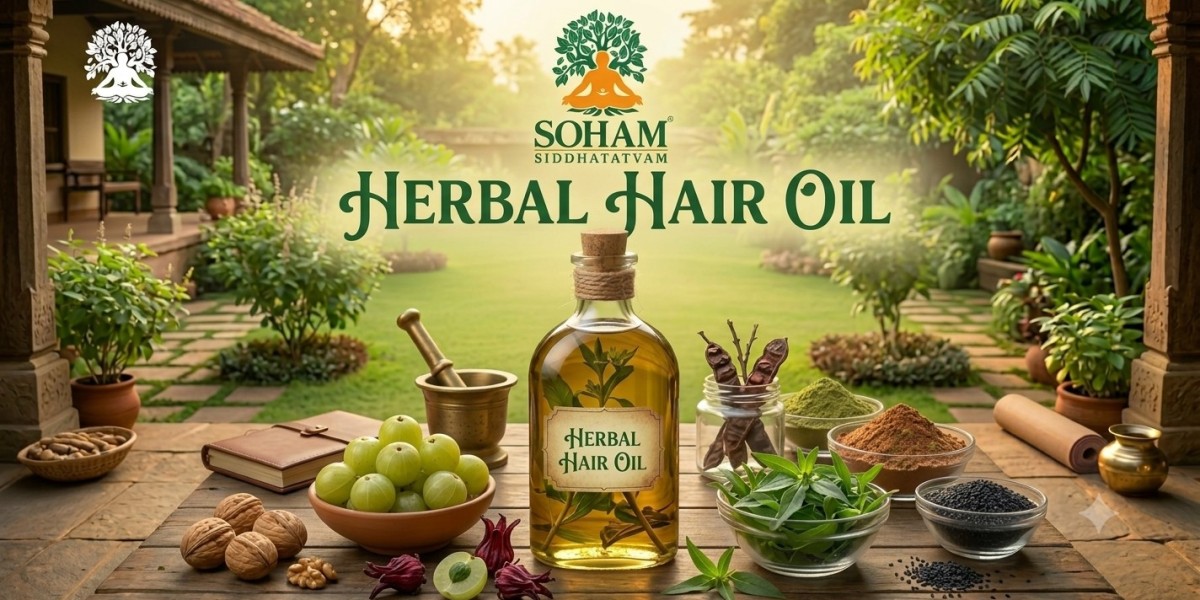
Herbal hair oil is an oil-based preparation that may contain traditional herbs, plant ingredients and a suitable base oil. Depending on the formulation, it may help condition the hair, support scalp nourishment and make hair feel smoother. Regular oiling can also become a calming part of a personal hair-care routine when used appropriately.
The exact ingredients and traditional uses can vary from one formulation to another, so reading the product information is always useful.
Why has hair oiling been popular in India?
Hair oiling has a strong place in Indian personal-care traditions. Families may use different oils depending on region, season, hair type and personal preference.
Traditional oiling often involves applying oil to the scalp and hair, followed by a gentle massage. Some people prefer to leave the oil for a short period before washing, while others may use a small amount to condition the hair.
The purpose does not have to be complicated. A simple, consistent routine can make hair care easier to maintain.
How Do You Choose the Right Herbal Hair Oil?
Choosing a hair oil should begin with your scalp and hair needs rather than simply following a popular ingredient or trend. An oil that feels comfortable for one person may feel too heavy or unsuitable for another.
Before selecting an oil, consider:
Your scalp type and usual comfort level.
Whether your hair feels dry, rough or difficult to manage.
The ingredients used in the formulation.
Whether you prefer a lighter or richer oil.
How frequently you normally wash your hair.
The recommended method of application.
Any known allergies or sensitivities.
A product with a clear ingredient list and straightforward directions can make it easier to build a consistent routine.
Should you oil your hair before washing?
Many people prefer applying hair oil before washing because it can make the oiling routine simple and easy to combine with regular cleansing.
Apply an appropriate amount to the scalp and hair, then massage gently with your fingertips. Avoid aggressive rubbing, particularly if your scalp is sensitive.
After the recommended application time, wash your hair according to your normal routine. There is no need to use excessive oil simply because a small amount feels comfortable.
What Does Ayurveda Say About Hair and Scalp Care?
Ayurveda traditionally takes a holistic approach to personal wellbeing. Hair and scalp care can be considered alongside food, sleep, daily routine, seasonal changes and individual constitution.
The three doshas—Vata, Pitta and Kapha—are important concepts in Ayurvedic tradition. Vata is traditionally associated with qualities such as dryness and movement, Pitta with heat and transformation, and Kapha with stability and oiliness.
This traditional framework is one reason Ayurvedic routines may vary from person to person rather than following exactly the same approach for everyone.
Which herbs are traditionally used in Ayurvedic hair care?
Several herbs have a long history of use in Indian and Ayurvedic hair-care traditions.
Amla is traditionally valued for its nourishing qualities and is commonly found in traditional hair preparations. Bhringraj is another well-known Ayurvedic herb traditionally used in hair oils and scalp-care preparations.
Brahmi, hibiscus and neem are also familiar ingredients in traditional Indian hair care. Their traditional applications can differ depending on the formulation and preparation.
It is useful to look at the complete formulation instead of assuming that one ingredient alone determines the purpose or suitability of an oil.
Can Herbal Hair Oil Help With Hair Fall?
Hair fall can happen for many different reasons. Changes in nutrition, stress, hormonal factors, genetics, scalp conditions, illness and certain medicines can all be associated with changes in hair growth or shedding.
A hair oil may support scalp conditioning and regular hair care, but it should not be considered a solution for every type of hair fall. If hair fall is persistent or sudden, identifying the underlying reason is more useful than simply changing oils repeatedly.
A gentle hair-care routine can still be helpful for maintaining comfortable, conditioned hair while you pay attention to other factors that may affect your hair.
What habits can support hair and scalp care?
Good hair care is not only about oil. Small daily habits can help reduce unnecessary stress on the hair.
Consider these simple practices:
Avoid pulling or tying hair too tightly.
Handle wet hair gently.
Limit unnecessary heat styling.
Keep your scalp clean according to your hair type.
Avoid excessive rubbing while drying the hair.
Keep combs and other hair tools clean.
Choose hair products according to your scalp and hair needs.
Avoid frequently changing products without a clear reason.
These steps can work alongside traditional oiling without making your routine difficult.
What Should You Eat for Healthy Hair?
Hair care also begins with everyday nutrition. A varied and balanced diet provides the body with nutrients needed for normal growth and maintenance.
Indian meals can include many nourishing foods, such as dal, beans, pulses, vegetables, fruits, nuts, seeds, whole grains and suitable dairy or other protein sources.
Try to maintain variety rather than depending on one particular food or ingredient.
Simple diet and lifestyle habits
Include a variety of seasonal vegetables and fruits.
Add suitable protein sources to regular meals.
Include nuts and seeds where appropriate.
Drink enough fluids according to your personal needs.
Avoid unnecessary restrictive diets.
Maintain regular meal patterns where practical.
Get adequate sleep and rest.
Include suitable physical activity in your routine.
Make time for relaxation when daily stress feels high.
These habits support overall wellbeing and can form the foundation of a sensible personal-care routine.
How Can You Make Hair Oiling a Regular Habit?
The best routine is one that fits naturally into your lifestyle. If oiling takes too much time or feels uncomfortable, it may become difficult to continue.
Choose a convenient day or time when you can apply the oil without rushing. Use a suitable amount, massage gently and wash according to your usual routine.
For those looking for a traditional hair-care option, Vedsparsh Hair Oil is one product from Soham Siddhatatvam that can be considered for regular scalp and hair care according to its product directions.
You can also explore the Hair Care collection for products intended for hair and scalp routines.
People Also Ask: Is Herbal Hair Oil Suitable for Everyone?
Not every herbal hair oil will suit every person. Individual scalp type, hair texture, allergies, sensitivities and the ingredients in a particular formulation can all influence suitability.
If you have a sensitive scalp, check the ingredients carefully and consider professional advice when appropriate. If an oil causes irritation or discomfort, discontinue its use and seek suitable guidance if the issue continues.
Can herbal hair oil replace medical care for hair loss?
No. Hair oil can be part of a personal-care routine, but persistent or unusual hair loss may have an underlying cause that requires professional evaluation.
If you notice sudden shedding, bald patches or significant changes in your scalp, it is better to speak with a doctor or qualified dermatologist rather than relying only on hair products.
How often should you use herbal hair oil?
There is no single schedule that suits everyone. Your hair type, scalp condition, climate, washing routine and personal preference can influence how often oiling feels comfortable.
Some people prefer occasional pre-wash oiling, while others may use oil less frequently. Start with a practical routine and adjust it according to how your scalp and hair respond.
When to See a Doctor
Speak with a doctor or qualified dermatologist if hair loss is sudden, persistent or accompanied by bald patches, significant itching, redness, scaling, sores or other unusual scalp changes. Professional evaluation can help identify possible underlying causes and appropriate care.
A Simple Approach to Herbal Hair Oil
Choosing herbal hair oil can bring a familiar Ayurvedic-inspired practice into a modern hair-care routine. The goal is not to depend on oil alone, but to combine traditional care with gentle grooming, balanced nutrition, adequate rest and suitable scalp hygiene.
Look for a formulation that matches your needs, understand its ingredients and follow the recommended directions. With realistic expectations and consistent habits, herbal hair oil can become a simple part of everyday hair and scalp care.