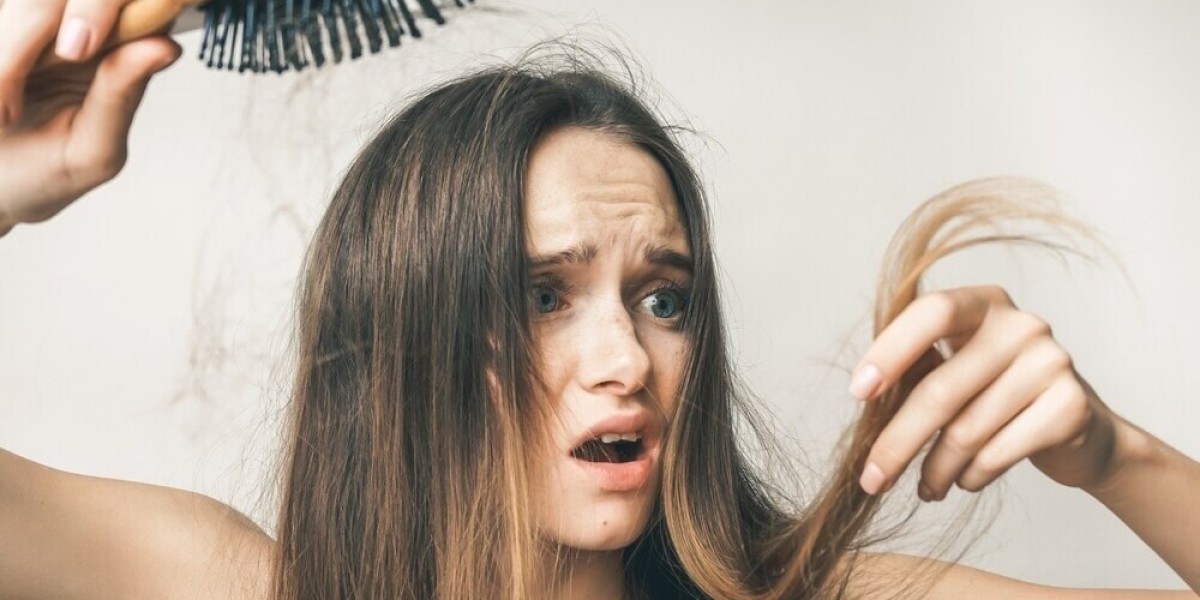

Hair fall is one of those concerns that can quietly become a source of frustration. Seeing more strands than usual on a pillow, comb, or shower drain may make you wonder whether something is wrong with your health or hair-care routine. While occasional shedding is normal, persistent or excessive hair loss deserves closer attention. The important thing is not to focus only on the visible symptom but to understand what may be happening underneath.
Hair growth depends on a complex cycle influenced by genetics, hormones, nutrition, age, lifestyle, and overall health. When this cycle is disrupted, more hairs can enter the shedding phase than usual. Identifying the trigger early can make it easier to choose appropriate care and, when necessary, seek professional guidance.
Why Understanding Hair Fall Matters
Hair naturally passes through three main stages: growth, transition, and resting. At the end of the resting stage, individual strands are shed to make room for new growth. Losing some hair every day is therefore completely normal.
The concern begins when shedding becomes noticeably heavier, the hair appears thinner, or new growth does not seem to keep pace with the amount being lost. Hair fall can develop gradually or appear suddenly, depending on its underlying trigger.
This is why identifying the root cause of hair fall is more useful than simply switching shampoos or applying multiple hair products. A cosmetic solution may improve the appearance or texture of hair, but it may not address an internal factor affecting the growth cycle.
Genetics and Hereditary Hair Loss
Genetics is among the most common factors associated with progressive hair thinning. Hereditary hair loss can affect both men and women, although its pattern and progression may differ.
In genetically influenced hair loss, follicles may gradually become more sensitive to certain hormones. Over time, affected follicles can produce finer and shorter strands. Men may notice a receding hairline or thinning around the crown, while women may experience more diffuse thinning across the scalp.
Because hereditary hair loss can progress slowly, people sometimes overlook it during its early stages. Paying attention to changes in hair density and speaking with a dermatologist can help distinguish genetic thinning from temporary shedding.
Nutritional Deficiencies Can Affect Hair Growth
Hair is not considered essential for survival, so the body may prioritize vital organs when nutrient availability is limited. Significant nutritional deficiencies can therefore influence hair growth and contribute to increased shedding.
Insufficient intake of protein, iron, zinc, vitamin D, or other essential nutrients may be associated with hair concerns in some individuals. Restrictive diets, rapid weight-loss programs, poor appetite, or certain digestive conditions can increase the risk of nutritional gaps.
However, taking supplements without knowing whether a deficiency exists is not always the best approach. Excessive intake of certain nutrients can also cause problems. If nutritional deficiency is suspected, appropriate testing and professional advice can help determine what is actually needed.
Stress and Major Life Changes
Periods of intense physical or emotional stress can sometimes trigger increased hair shedding. This type of shedding may become noticeable weeks or months after the stressful event rather than immediately.
Major illness, surgery, significant weight loss, emotional distress, or other substantial changes can temporarily disrupt the normal hair-growth cycle. The resulting shedding is often diffuse, meaning hair loss occurs across the scalp rather than in a clearly defined patch.
The good news is that stress-related shedding may improve once the underlying trigger has been addressed and the hair-growth cycle returns to its usual rhythm. Nevertheless, persistent shedding should not automatically be blamed on stress because other factors can produce similar symptoms.
Hormonal Changes and Hair Fall
Hormones play an important role in regulating many processes throughout the body, including hair growth. Changes associated with pregnancy, childbirth, menopause, thyroid disorders, or certain hormonal conditions can influence the hair cycle.
Some people notice substantial shedding after childbirth as hormone levels shift. Others may experience thinning during periods of hormonal imbalance. Thyroid-related problems can also affect hair texture and shedding.
If hair loss occurs alongside other changes such as persistent fatigue, unexpected weight changes, menstrual irregularities, or other unexplained symptoms, it may be worth discussing the issue with a healthcare professional.
Scalp Health Should Not Be Ignored
A healthy scalp provides the environment in which hair follicles function. Conditions that cause significant inflammation, itching, scaling, or irritation may interfere with comfortable hair growth and contribute to increased shedding.
Dandruff and certain forms of dermatitis can cause scalp irritation and scratching. In some cases, fungal or inflammatory scalp conditions may require specific treatment rather than ordinary cosmetic products.
Maintaining good scalp hygiene is therefore important, but aggressive cleansing is not necessarily better. The ideal routine depends on scalp type, hair texture, styling habits, and any existing scalp condition.
Hair-Care Habits Can Contribute to Breakage
Not every strand found in a hairbrush represents hair loss from the follicle. Hair can also break along its length because of physical or chemical damage.
Frequent heat styling, repeated bleaching, coloring, chemical straightening, tight hairstyles, and rough handling can weaken the hair shaft. Over time, damaged strands may become dry, brittle, and prone to snapping.
This distinction between shedding and breakage is important. If short broken pieces are appearing throughout the hair, the solution may involve reducing damage rather than focusing exclusively on treatments designed for follicle-related hair loss.
Gentler handling, appropriate conditioning, reduced heat exposure, and avoiding excessively tight hairstyles can help protect vulnerable strands.
Everyday Habits That May Influence Hair Health
Lifestyle does not explain every instance of hair fall, but everyday habits can influence the overall condition of hair and scalp. Poor sleep, prolonged stress, smoking, crash dieting, and an inconsistent diet may all work against healthy hair maintenance.
A balanced diet containing adequate protein, fruits, vegetables, whole grains, and healthy fats supports general nutritional needs. Staying hydrated and maintaining a consistent sleep routine can also contribute to overall well-being.
These habits should be viewed as supportive measures rather than instant cures. Hair grows slowly, so meaningful changes often require patience and consistency.
Common Causes of Hair Fall Are Not Always Obvious
There are numerous causes of hair fall, and two people with similar-looking thinning may have completely different underlying triggers. One person may be experiencing hereditary thinning, while another may have temporary shedding following illness, nutritional deficiency, or hormonal changes.
Certain medications can also contribute to hair shedding as a side effect. Medical conditions, autoimmune disorders, scalp infections, and other factors may play a role in specific cases.
This is why copying another person's hair routine or treatment may not produce the same results. Effective hair care starts with understanding the individual situation rather than assuming every type of hair fall has the same explanation.
When Should You See a Professional?
Not every episode of increased shedding requires immediate medical attention. However, professional evaluation is worth considering when hair loss is sudden, severe, persistent, or accompanied by other unusual symptoms.
Visible bald patches, scalp inflammation, pain, intense itching, scaling, or rapidly progressing thinning are additional reasons to seek advice. A dermatologist can examine the scalp and hair pattern and may recommend tests if an underlying medical or nutritional issue is suspected.
Early evaluation can be particularly useful because different types of hair loss require different approaches. Treating the wrong suspected cause may waste time and potentially allow an underlying problem to continue.
Building a More Effective Hair-Care Routine
A practical routine does not need to involve dozens of products. Start with the basics: choose products suitable for your scalp and hair type, cleanse regularly without excessive scrubbing, condition the lengths, and handle wet hair gently.
If you frequently use styling tools, consider reducing the temperature and frequency of heat exposure. Give your hair breaks from tight hairstyles and minimize unnecessary chemical processing.
It is also useful to keep track of changes. Note when shedding started, whether it followed an illness or stressful period, where thinning is occurring, and whether there are changes in your scalp. Such observations can provide useful information during a professional consultation.
Avoid Quick Fixes and Unverified Claims
The desire to stop hair fall quickly can make people vulnerable to exaggerated claims. Products promising dramatic regrowth in a very short period should be approached cautiously.
Natural ingredients can be appealing, but “natural” does not automatically mean effective or suitable for every scalp. Similarly, expensive products are not necessarily more appropriate than simple, evidence-based care.
The most sensible approach is to identify the likely trigger, protect existing hair from avoidable damage, maintain good nutrition and general health, and obtain professional guidance when symptoms persist.
A Long-Term Approach to Healthier Hair
Managing hair fall is often less about finding one magical product and more about understanding the bigger picture. Hair follicles respond to genetics, hormones, nutrition, stress, health conditions, medications, and environmental or mechanical factors.
Once the potential trigger is identified, a more focused plan becomes possible. Some forms of shedding may resolve naturally after a temporary trigger disappears, while hereditary or medical forms of hair loss may require targeted management.
The key is to avoid panic and pay attention to patterns. A few extra strands on a particular day do not necessarily indicate a serious problem. Consistent changes in density, prolonged shedding, or visible scalp changes are more meaningful signals.
Ultimately, understanding the root cause of hair fall can help people make smarter decisions about their hair and overall well-being. Rather than treating every case as a simple cosmetic issue, consider hair fall as information from the body that deserves thoughtful attention.
With realistic expectations, healthy daily habits, gentle hair care, and professional advice when necessary, it is possible to approach hair health in a more informed and sustainable way. The earlier you understand what may be driving the change, the better positioned you are to choose care that actually fits your needs.