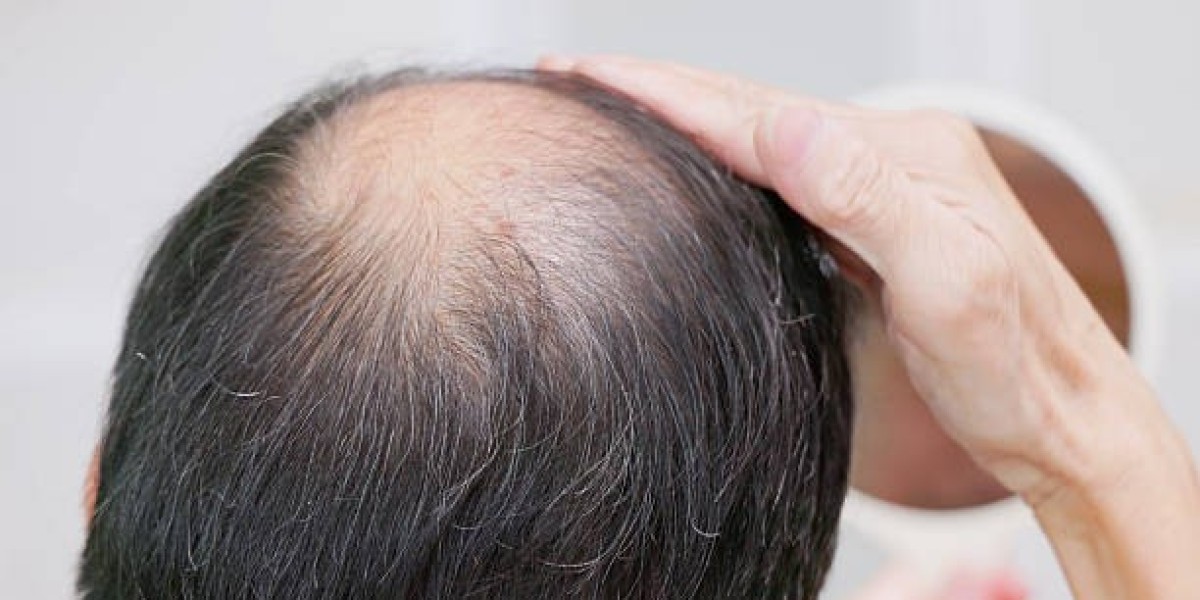

Hair thinning can gradually change the appearance of the scalp, making hair look less full even when some follicles remain active. This is why many people exploring PRP Hair Treatment in Riyadh want to know whether platelet-rich plasma can actually improve hair density. Current research suggests that PRP may support increased hair density and thickness in some people, particularly those with androgenetic alopecia, although results can vary depending on the underlying cause of hair loss and the treatment protocol used.
PRP, or platelet-rich plasma, is prepared from a patient's own blood. A small blood sample is processed to concentrate platelets and growth factors before the resulting plasma is injected into selected areas of the scalp. For people considering PRP Hair Treatment in Riyadh, understanding that PRP is intended to support existing follicles rather than instantly create new ones can help establish realistic expectations.
How Can PRP Affect Hair Density?
Supporting Hair Follicle Activity
PRP contains concentrated platelets and growth factors that may influence processes involved in follicular activity, tissue repair, and blood-vessel formation. Research suggests that these biological effects may help support hair follicles and encourage a healthier growth environment.
Improving the Appearance of Thinning Hair
Hair density refers broadly to how much hair is present within a particular scalp area. When follicles produce stronger or thicker hairs, the scalp can appear fuller even without a dramatic increase in the total number of follicles. Studies of PRP for androgenetic alopecia have reported improvements in hair density and thickness, although the magnitude of improvement differs between studies.
What Does the Research Say About PRP and Hair Density?
Clinical Evidence Shows Potential Benefits
A 2024 systematic review and meta-analysis examining PRP combined with topical minoxidil found that the combination produced greater improvements in hair density at several follow-up points than minoxidil alone. However, the researchers rated the certainty of evidence as low to very low because of small study numbers, differences between protocols, and concerns about study quality.
More recent research remains encouraging. A 2026 review reported that clinical studies generally show improvements in hair density, thickness, and patient satisfaction following PRP, while also emphasizing that differences in preparation and delivery methods can lead to inconsistent outcomes.
Results Are Not Identical for Everyone
PRP does not produce the same response in every patient. Hair-loss type, disease stage, follicle condition, age, general health, and the specific PRP preparation and injection protocol can all influence outcomes. This makes professional assessment important before deciding whether PRP is an appropriate treatment.
Who May Benefit From PRP for Hair Density?
People With Pattern Hair Loss
PRP has been studied most extensively in androgenetic alopecia, commonly known as male or female pattern hair loss. It may be considered when follicles are still present but are producing progressively thinner hairs. Early evaluation can be useful because the condition is progressive and treatment approaches may work differently depending on its stage.
Patients With Existing Hair Follicles
PRP is generally better understood as a follicle-supporting treatment rather than a method for creating completely new follicles. If an area has extensive or longstanding follicle loss, a different treatment strategy may be more appropriate. A dermatologist can evaluate the scalp and determine whether PRP is likely to provide meaningful benefit.
What Happens During PRP Hair Treatment?
Blood Collection and Preparation
Treatment begins with a small blood sample. The sample is processed to separate plasma containing a higher concentration of platelets from other blood components. The prepared PRP is then delivered into targeted areas of the scalp.
Scalp Injections
The PRP is injected into areas affected by thinning. The process is relatively focused and does not involve removing or transplanting hair follicles. Some people may experience temporary discomfort, redness, swelling, or tenderness around injection sites.
When Can You Expect Changes in Hair Density?
Hair growth naturally occurs in cycles, so improvements are not usually immediate. The American Academy of Dermatology notes that some patients begin noticing reduced hair loss within a few months, followed by possible thickening or regrowth. Treatment schedules can involve an initial series followed by maintenance sessions depending on the individual's response and the clinician's recommendations.
Because hair responds gradually, photographs and standardized scalp assessments can be more useful than judging changes from day to day. A clinician may compare hair density and thickness over time to determine whether treatment is producing a meaningful response.
PRP Alone or Combined With Other Treatments?
Combining PRP With Minoxidil
PRP may sometimes be used alongside established hair-loss treatments. Research has found promising results when PRP is combined with topical minoxidil, with some studies reporting greater improvements in hair density than minoxidil alone. However, treatment combinations should be selected according to the patient's diagnosis and medical needs.
PRP and Hair Transplantation
PRP may also be considered as an adjunct to hair transplantation in selected patients. The American Academy of Dermatology notes that dermatologists may use PRP alone or before a hair transplant, depending on the treatment plan.
What Can Influence PRP Results?
Several factors may affect how well PRP works, including the cause and severity of hair loss, the condition of existing follicles, treatment frequency, preparation techniques, injection methods, and individual biological response. Current research highlights considerable variation between PRP protocols, which is one reason results reported in studies cannot always be applied equally to every patient.
A proper diagnosis is equally important. Hair shedding caused by nutritional deficiencies, thyroid disorders, inflammatory scalp conditions, medications, hormonal changes, or other medical conditions may require treatment directed at the underlying cause rather than PRP alone.
Is PRP a Permanent Solution for Hair Density?
PRP should not be presented as a guaranteed or permanent cure for hair loss. Pattern hair loss can be progressive, and maintaining improvements may require an individualized long-term strategy. Some research suggests that maintenance treatment may help preserve improvements, but the ideal schedule is not established universally because protocols vary considerably.
For anyone considering PRP Hair Treatment in Riyadh, the most useful first step is a professional hair and scalp evaluation. Understanding the cause of thinning, the condition of the follicles, and realistic treatment goals can help determine whether PRP is a suitable option.
Book an Appointment at Royal Clinic Saudia
If you are concerned about thinning hair or reduced density, Royal Clinic Saudia can provide professional guidance and help assess suitable hair-restoration options. Book an appointment to discuss your scalp condition, treatment goals, and whether PRP may be appropriate for you.
FAQs:
Can PRP increase hair density?
Research suggests that PRP may improve hair density and thickness in some patients, particularly those with androgenetic alopecia. However, results vary and current studies use different treatment protocols.
How long does it take to see PRP hair results?
Hair changes generally take time because follicles follow natural growth cycles. Some patients may notice reduced shedding within a few months, followed by possible thickening or regrowth.
Does PRP work for every type of hair loss?
No. PRP has been studied particularly in androgenetic alopecia, while other causes of hair loss may require different treatments. Identifying the underlying cause is an important part of treatment planning.
Can PRP be combined with other hair-loss treatments?
Yes, PRP may be combined with treatments such as topical minoxidil or used in connection with hair transplantation in selected cases. The appropriate combination depends on the individual's diagnosis and treatment plan.