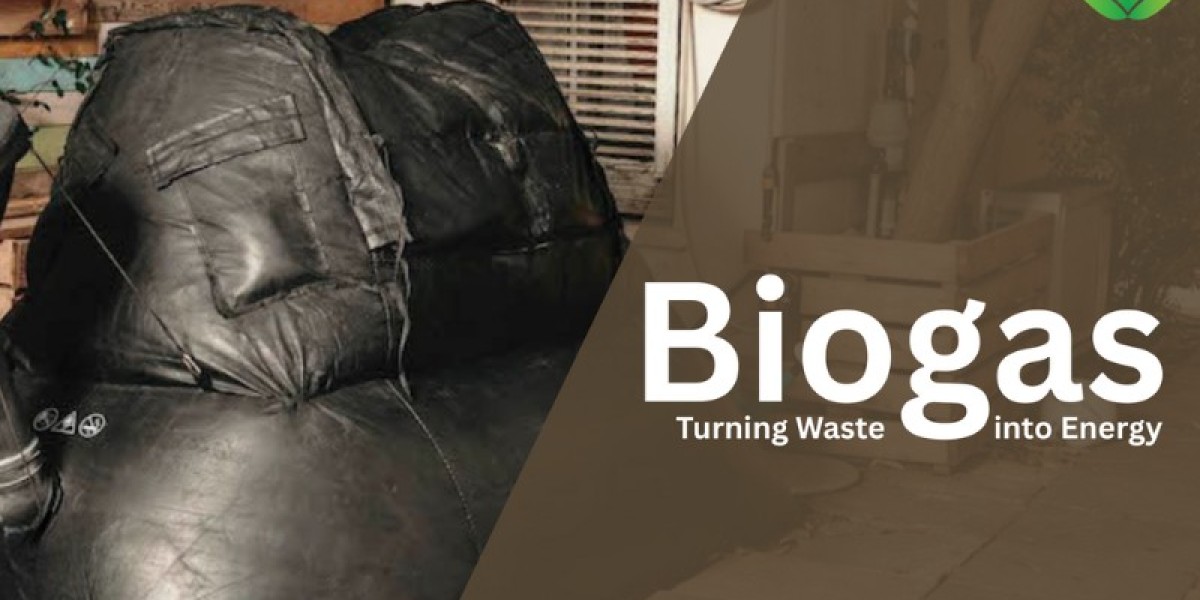

However, one of the first engineering questions is not the brand or construction material—it is the digester size. A domestic biogas digester that is too small will struggle to meet daily gas demand, while an oversized unit increases installation costs without improving performance. Proper sizing is the foundation of a reliable and efficient waste-to-energy system.
Why Correct Biogas Plant Sizing Matters
A biogas plant converts biodegradable materials such as kitchen waste, animal manure, crop residue, and food waste into methane-rich gas through anaerobic digestion. Inside a sealed digester, naturally occurring microorganisms break down organic matter without oxygen, producing renewable biogas and nutrient-rich bio-slurry.
The volume of the digester directly affects retention time, microbial activity, and gas production. A correctly sized digester provides stable operating conditions that allow microorganisms to efficiently convert organic waste into usable fuel. It also ensures that the plant consistently supplies gas for household cooking, water heating, or small generator applications without unnecessary operating issues.
Biogas Plant Design Begins with Feedstock Assessment
A reliable biogas plant design always starts by calculating the quantity and type of organic waste available each day.
Engineers evaluate kitchen waste, cattle manure, poultry litter, crop residue, and other biodegradable materials before determining digester volume. Hydraulic retention time, expected methane production, and daily household energy demand are also considered during the design process.
Instead of selecting a standard tank size, engineers match the digester to actual operating conditions, improving efficiency and reducing long-term maintenance.
How Feedstock Is Converted into Energy
The anaerobic digestion process follows a series of biological stages that gradually convert organic material into methane-rich gas.
Kitchen waste, animal manure, crop residue, and vegetable waste are mixed with water to create a uniform slurry before entering the digester. Inside the sealed chamber, microorganisms digest the material over several weeks, depending on temperature and retention time.
The produced biogas is stored and supplied to kitchen stoves, water heaters, or small generators. The remaining digestate becomes bio-slurry, a nutrient-rich organic fertilizer that supports healthy crop growth while reducing the need for chemical fertilizers.
Engineering Factors That Determine Digester Size
The required digester volume depends on several technical parameters rather than simply the number of people in a household.
Key engineering considerations include:
Daily feedstock quantity
Type of biodegradable waste
Hydraulic retention time
Local ambient temperature
Expected gas demand
Future expansion requirements
Available installation space
A biogas plant for home should be capable of processing the available feedstock every day without overloading the biological process. When adequate cattle manure is available alongside kitchen waste, digestion usually becomes more stable and methane production improves.
Correct sizing also prevents unnecessary construction expenses while maximizing renewable energy output.
Gas Storage, Piping, and Safety Considerations
Digester size is only one part of a successful installation.
Modern biogas plant systems also require properly engineered gas storage, pressure regulation, moisture removal, leak-proof pipelines, and safety valves.
Gas holders should be sized according to daily production and consumption patterns. Correct pipeline diameter and routing help maintain stable pressure for kitchen stoves, water heaters, and small generator systems while minimizing leakage risks.
Routine inspection of pipelines and valves further improves long-term operational reliability.
Key Features of a Well-Designed Domestic Biogas Plant
A professionally engineered domestic installation combines efficient digestion with dependable daily operation.
Key features include:
Continuous gas generation
Compact installation footprint
Effective odor control
Durable RCC, FRP, HDPE, or steel tank construction
Weather and temperature resilience
Low daily maintenance
Easy-to-operate design
Scalable capacity for future expansion
Long operational service life
These characteristics improve overall efficiency while reducing operating costs over the plant's lifetime.
Applications Beyond Individual Homes
Although domestic installations are commonly associated with household cooking, properly sized digesters support many applications.
Typical users include:
Rural households
Dairy and livestock farms
Agricultural cooperatives
Hostels and educational institutions
Small hotels and farm stays
Gated communities and housing societies
Rural electrification projects
Community renewable energy initiatives
A Domestic biogas digester for homes and farms offers an efficient solution for converting organic waste into renewable energy while improving waste management and fertilizer production.
Cost and Investment Factors
The overall biogas plant price depends on several engineering and installation variables in addition to digester size.
Important investment factors include:
Daily feedstock volume and type
Digester size and construction material
Required gas storage capacity
Pipeline length and installation complexity
Site preparation requirements
Available installation space
Integration with cooking appliances or generator systems
Preventive maintenance and AMC costs
Expected payback period
A correctly sized system generally delivers better financial returns by maintaining stable gas production without unnecessary capital expenditure.
Buyer's Guide: Choosing an Experienced Manufacturer
When evaluating Biogas plant manufacturers in India, buyers should prioritize technical expertise and engineering capability over the lowest quoted price.
Key selection criteria include:
Industry experience
Digester design expertise
Manufacturing quality and material standards
Custom engineering capability
Professional installation
Technical support
After-sales maintenance services
Documentation and subsidy assistance where applicable
Proven project reliability
A Sigma Power Tech biogas plant is engineered according to site-specific feedstock availability, gas demand, and operating conditions. As a Sigma Power Tech manufacturer and service provider, the company offers complete engineering solutions covering design, manufacturing, installation, commissioning, and long-term maintenance support.
Common Mistakes to Avoid
Several planning mistakes can negatively affect digester performance.
Common issues include:
Under sizing or oversizing the digester
Inconsistent daily feedstock input
Poor site selection and inadequate space planning
Ignoring bio-slurry utilization
Skipping preventive maintenance
Improper gas pipeline installation
Neglecting climate and seasonal temperature effects on digestion efficiency
Avoiding these mistakes helps maintain stable methane production and extends the service life of the system.
Conclusion
Selecting the correct digester size is one of the most important decisions when installing a biogas plant. The ideal capacity depends on daily feedstock availability, household energy demand, hydraulic retention time, and proper engineering rather than simply choosing the largest available tank. A well-sized system delivers consistent gas production, efficient waste management, and reliable long-term operation.
By investing in quality engineering, professional installation, and routine maintenance, homeowners and farmers can maximize fuel savings, produce valuable organic fertilizer through bio-slurry, and build a sustainable waste-to-energy infrastructure that continues delivering dependable performance for decades.