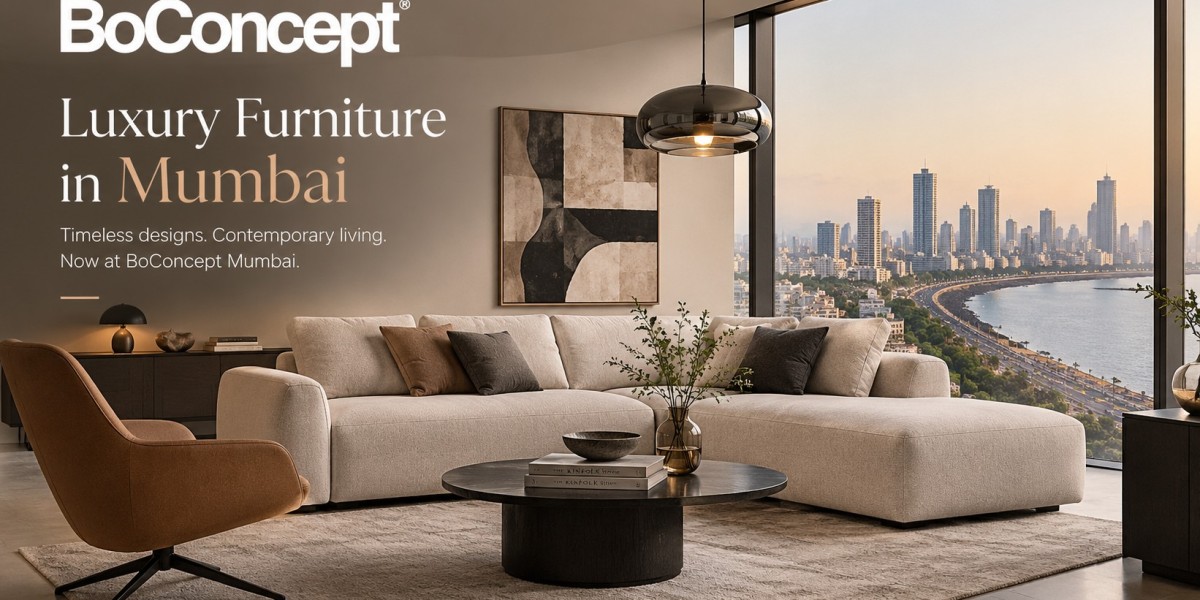

Luxury furniture in Mumbai has quietly moved away from the old idea of ornate, heavy pieces that scream opulence from across the room. Walk into any upscale apartment in Worli, Bandra, or Lower Parel today, and you'll notice something different: clean lines, honest materials, and furniture that feels considered rather than showy. This shift says a lot about how Mumbai's relationship with interior design has matured over the past decade.
Part of this change comes from exposure. More homeowners travel, more people follow European design trends online, and more interior designers are pushing clients toward Scandinavian and contemporary aesthetics instead of the traditional heavy-wood, high-gloss look that dominated Indian homes for years. Brands with a strong Danish design heritage have found a genuine audience here, not because of clever marketing, but because the functionality-first approach actually suits how people live now—smaller families, flexible layouts, and a desire for spaces that feel calm rather than cluttered.
What's interesting is how practical considerations now sit alongside aesthetic ones. Mumbai apartments, especially in newer high-rises, often have compact floor plans. This has pushed demand toward modular sofas, extendable dining tables, and storage units that don't dominate a room visually. Good design today isn't just about how a piece looks in a showroom; it's about how it behaves in a 900-square-foot flat with awkward corners and limited natural light. Furniture that adapts—rather than furniture that simply impresses—has become the real marker of quality.
There's also a noticeable change in material preferences. Solid wood, natural leather, wool blends, and matte-finish metals are replacing the glossy laminates and synthetic upholstery that once signaled "premium" in the Indian market. Buyers are asking more questions now: Where was this made? What's the warranty like? How does it age over time? This kind of scrutiny didn't exist as commonly ten years ago, and it reflects a broader trend across Indian metros where consumers are becoming more discerning rather than impulse-driven.
Mumbai specifically has a few factors working in its favour as a hub for this kind of furniture culture. It's a city of professionals who've lived abroad, architects who follow global design movements, and a growing community of people who treat their homes as an extension of their personal brand. This creates steady demand for pieces that are understated yet unmistakably well-made—furniture that doesn't need a label to prove its worth.
Showrooms in the city have adapted accordingly. Instead of overwhelming customers with options, many now focus on curated collections, guided consultations, and a slower, more considered buying experience. This reflects a broader shift in taste, away from flashy displays and toward spaces that feel personal and lived-in rather than staged.
If you're furnishing a new home or redesigning an existing one, it's worth stepping back from trends and asking what actually suits your lifestyle. Do you entertain often? Do you work from home and need flexible seating? Is natural light limited, so lighter tones and open structures matter more? These questions, more than any catalogue, will guide you toward furniture that still feels right five years from now.
Ultimately, good design isn't about following what's fashionable—it's about choosing pieces that hold up, both structurally and stylistically, as your home and needs evolve. That's the real story behind the growing interest in luxury furniture in Mumbai, and it's one worth paying attention to.